kiomigo
search
search
add New trip
Kampala

Kampala

Population: 1.700.000 Since: Founded around 1890 Ville capitale

Introduction

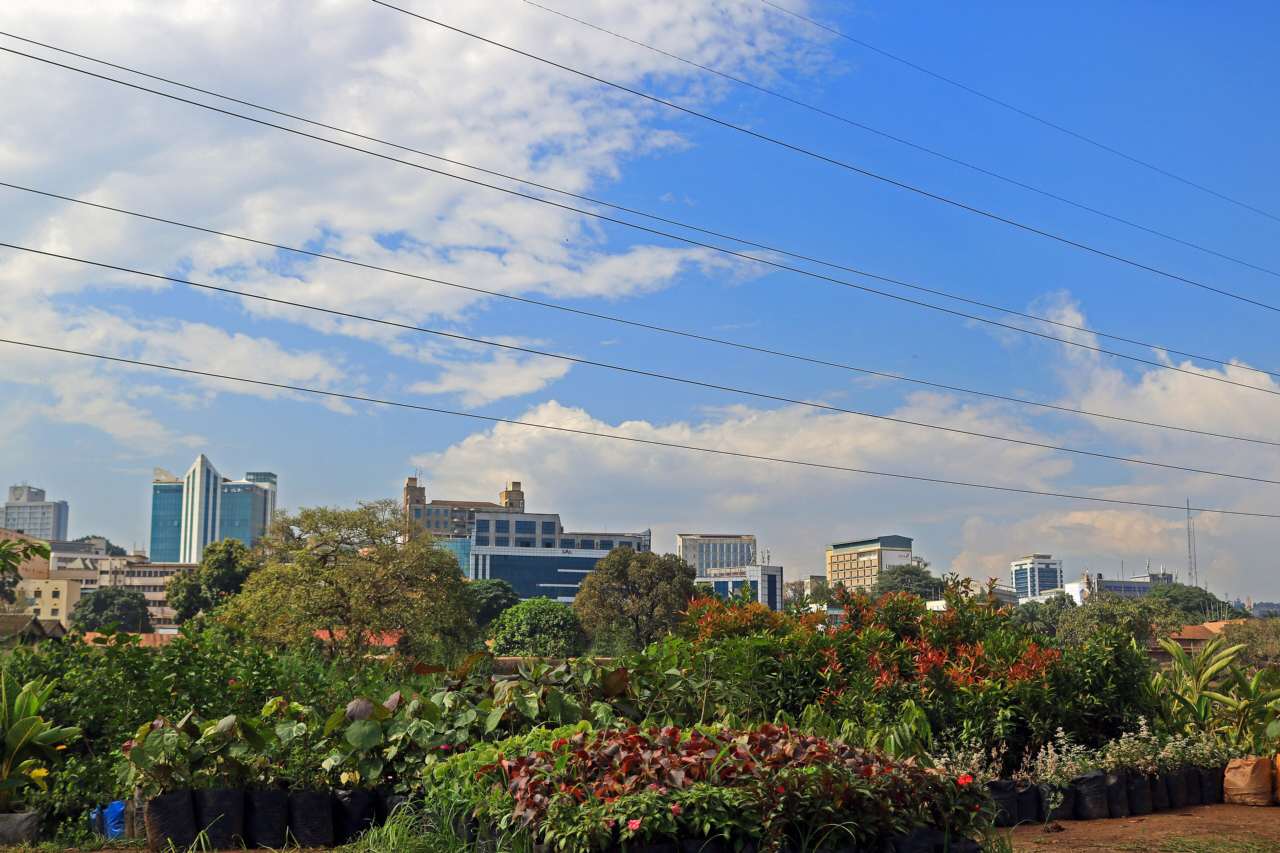
Kampala, the vibrant capital of Uganda, is a city that pulses with energy and life. Visitors are greeted by a mix of modernity and tradition, where bustling markets coexist with serene parks and historical sites.

The city's hills offer stunning views, while its friendly locals make it easy to feel at home. However, navigating the traffic can be challenging, and the heat can be intense, so be prepared for a lively yet sometimes chaotic experience.

Sightseeing

Uganda Museum: showcases the country's cultural heritage
Kasubi Tombs: a UNESCO World Heritage site and royal burial ground
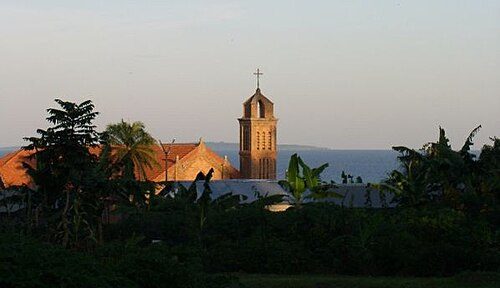
Namirembe Cathedral: an iconic Anglican church with panoramic views
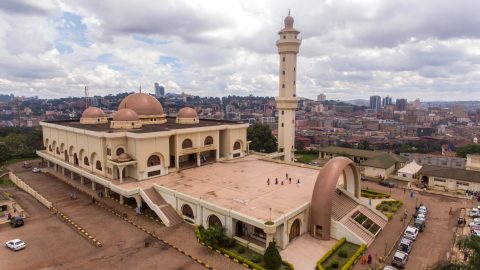
Gaddafi National Mosque: a striking mosque open to visitors
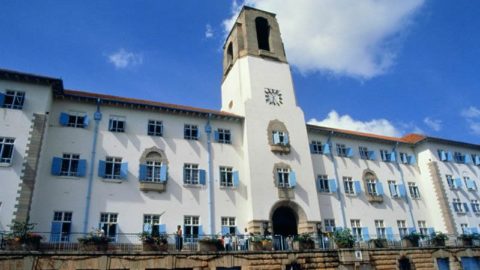
Makerere University: one of Africa's oldest universities with beautiful architecture
Independence Monument: a symbol of Uganda's freedom
Baha'i Temple: a serene place of worship with stunning gardens
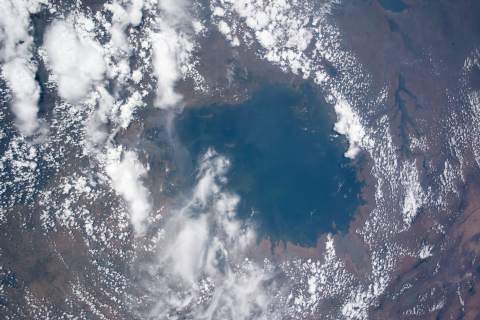
Lake Victoria: the largest lake in Africa, perfect for relaxation

"A city of vibrant culture and history"Kampala

Things to do

Explore local markets: experience the hustle and bustle of Nakasero Market
Visit the Uganda Wildlife Education Centre: learn about local wildlife and conservation
Take a city tour: discover Kampala's history and culture with a local guide
Enjoy nightlife: experience the vibrant music and dance scene in various venues

Principales attractions

Cuisine et boissons locales - Kampala

Cuisine et boissons locales

Luwombo: a traditional stew made with meat and groundnut sauce
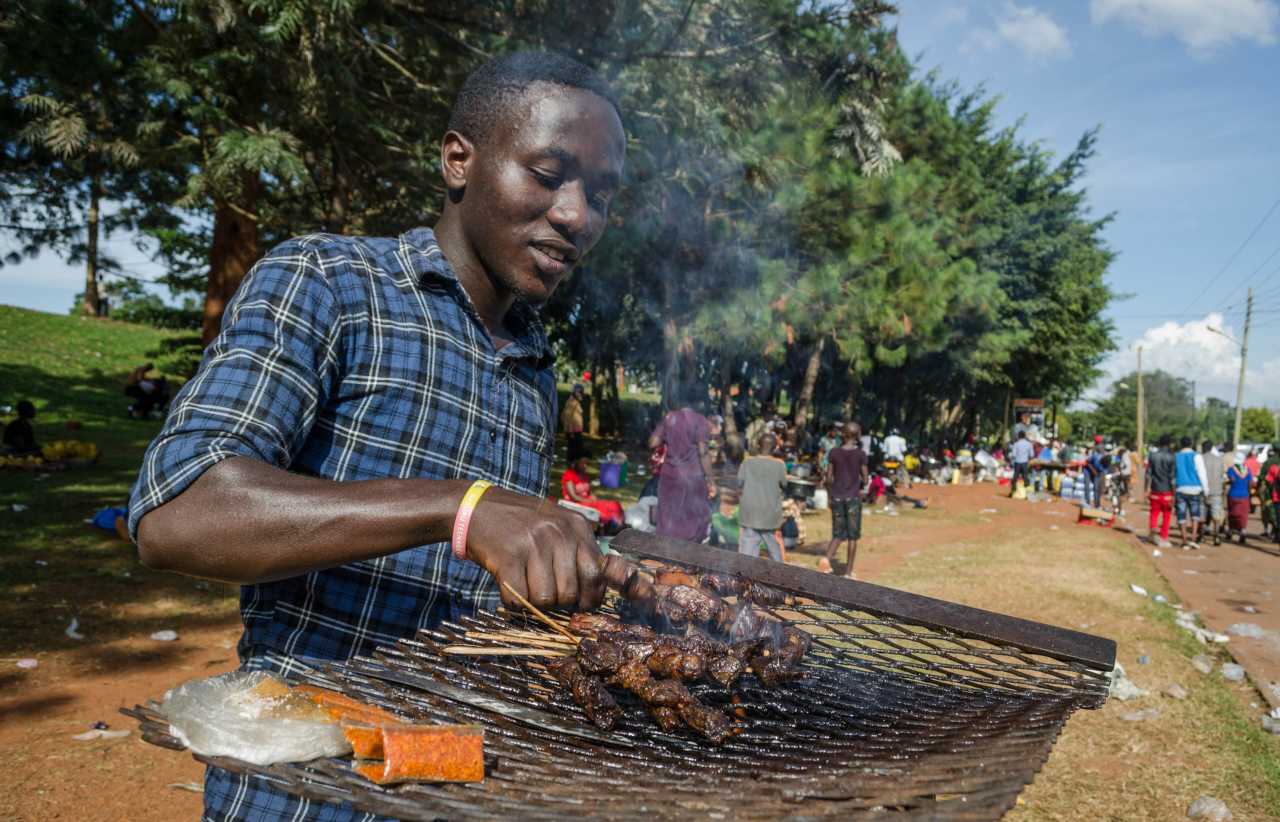
Rolex: a popular street food of eggs and vegetables wrapped in chapati
Matoke: steamed green bananas, a staple Ugandan dish
Malwa: a local brew made from fermented millet
Cafe Javas: a popular spot for coffee and local dishes
Traditions locales - Kampala

Traditions locales

Kampala City Festival: an annual celebration of culture and arts
Eid al-Fitr: widely celebrated with feasting and community gatherings
Traditional dance performances: often showcased during cultural events
Kwanjula: a traditional marriage ceremony rich in customs
Histoire - Kampala

Histoire

Kampala's history dates back to the 19th century when it was a small fishing village. It became the capital of Uganda in 1962, following independence from British colonial rule, and has since grown into a bustling metropolis.

The city has seen significant political and social changes, particularly during the tumultuous years of Idi Amin's regime in the 1970s. Today, Kampala is a melting pot of cultures and a hub for economic activity in East Africa.

À savoir

Traffic can be heavy, plan your travel times accordingly
Public transport options are limited, consider using ride-hailing apps
Be cautious of street vendors, some may overcharge tourists
Stay aware of your surroundings, especially in crowded areas

À faire et à éviter

Try local dishes at street food stalls
Respect local customs and dress modestly
Engage with locals, they are generally friendly
Use bottled water to stay hydrated
Don't flash valuables in public
Don't assume all taxis are safe, use reputable services
Don't take photos of people without permission
Don't ignore local advice on safety and health

Photo: Wikipedia / Wikimedia Commons