kiomigo
search
search
add New trip
Nara

Nara

Population: 360.000 Since: Founded in 710 AD

Introduction

Nara, Japan's first capital, is a serene city that beautifully blends history with nature. Visitors are often enchanted by its ancient temples, free-roaming deer, and tranquil parks, creating a peaceful atmosphere that invites exploration.

Strolling through Nara feels like stepping back in time, with its well-preserved heritage sites and traditional streets. However, be prepared for crowds, especially at popular attractions, which can detract from the otherwise calm experience.

Sightseeing

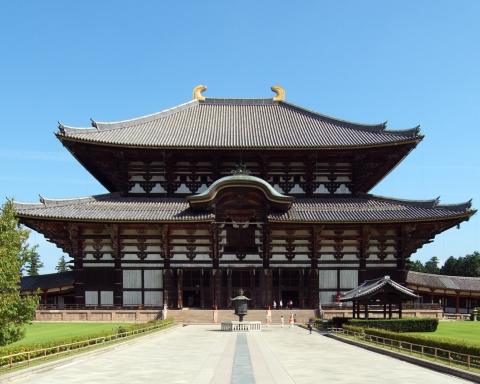
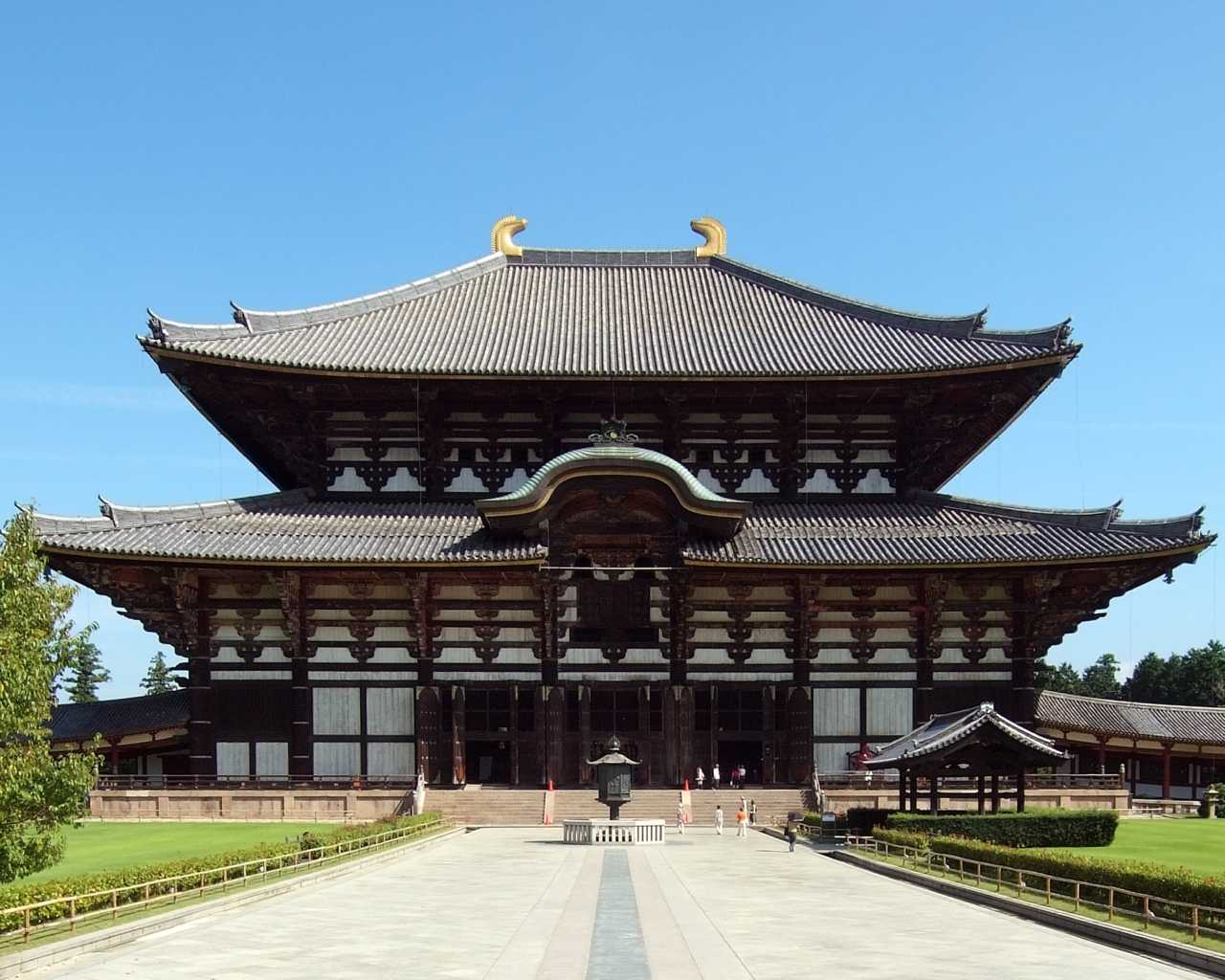
Todai-ji Temple: home to a giant Buddha statue
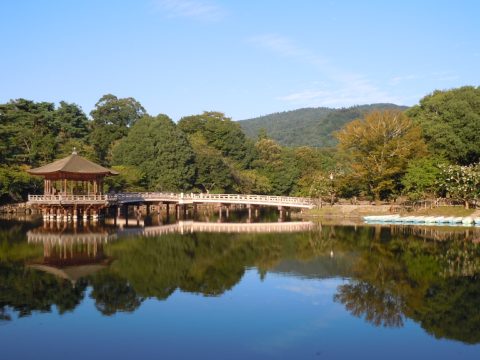
Nara Park: famous for its friendly deer
Kasuga-taisha Shrine: known for its hundreds of lanterns
Kofuku-ji Temple: a historic temple with a five-story pagoda
Naramachi: a preserved merchant district
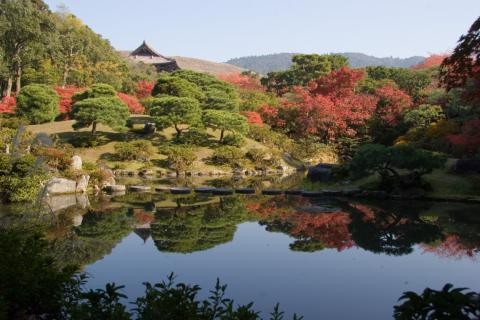
Isuien Garden: a beautiful traditional garden
Nara National Museum: showcasing Japanese art and history
Himuro Shrine: a lesser-known shrine with a serene atmosphere

"Where history and nature meet"Nara

Things to do

Feed the deer in Nara Park: a unique experience
Explore the ancient temples: immerse in history
Stroll through Naramachi: enjoy traditional architecture
Visit the Nara National Museum: learn about Japanese culture
Relax in Isuien Garden: a peaceful retreat

Principales attractions

Cuisine et boissons locales - Nara
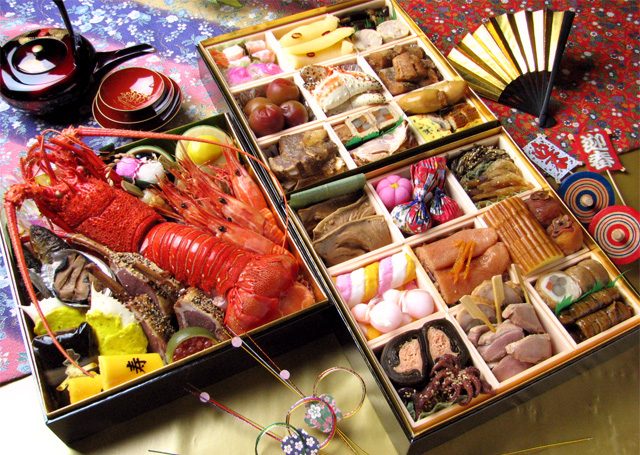
Cuisine et boissons locales

Kakinoha-zushi: sushi wrapped in persimmon leaves
Nara Sake: local rice wine with a distinct flavor
Naramachi Katsu: a popular pork cutlet dish
Yaki-dofu: grilled tofu, a local specialty
Kuzu Mochi: a traditional sweet made from kudzu starch
Traditions locales - Nara

Traditions locales

Nara Tokae: a lantern festival held in August
Shinto rituals at Kasuga-taisha: showcasing local customs
Deer Feeding Ceremony: a unique cultural event
Nara's traditional crafts: including calligraphy and pottery

Histoire

Nara was established in 710 AD as Japan's first permanent capital, marking a significant shift in the country's political landscape. The city flourished as a cultural hub, attracting scholars and artists, and it became a center for Buddhism, influencing Japanese culture profoundly.

Over the centuries, Nara faced challenges, including the capital's relocation to Kyoto in 794. Despite this, Nara retained its historical significance, with many of its temples and shrines designated as UNESCO World Heritage Sites, preserving its rich legacy for future generations.

À savoir

Watch out for aggressive deer in Nara Park, they can be demanding
Public transport can be limited, especially late at night
Some attractions may have entry fees, so check ahead
Be mindful of local customs, especially at shrines and temples

À faire et à éviter

Visit early in the morning for fewer crowds
Respect the deer and do not feed them inappropriate food
Take your time exploring the temples and gardens
Learn a few basic Japanese phrases to enhance your experience
Don't feed the deer anything other than special deer crackers
Don't rush through the attractions, savor the experience
Don't ignore local etiquette at temples and shrines
Don't expect a bustling nightlife, Nara is more laid-back

Itinéraires populaires ici

Japan Golden Route ★ Creator's pick
Tokyo → Hakone → Kyoto → Nara → Osaka · 14 nuits

Photo: Wikipedia / Wikimedia Commons