kiomigo
search
search
add New trip
Manila

Manila

Population: 1.400.000 Since: Founded around 1571 Ciudad capital

Introduction

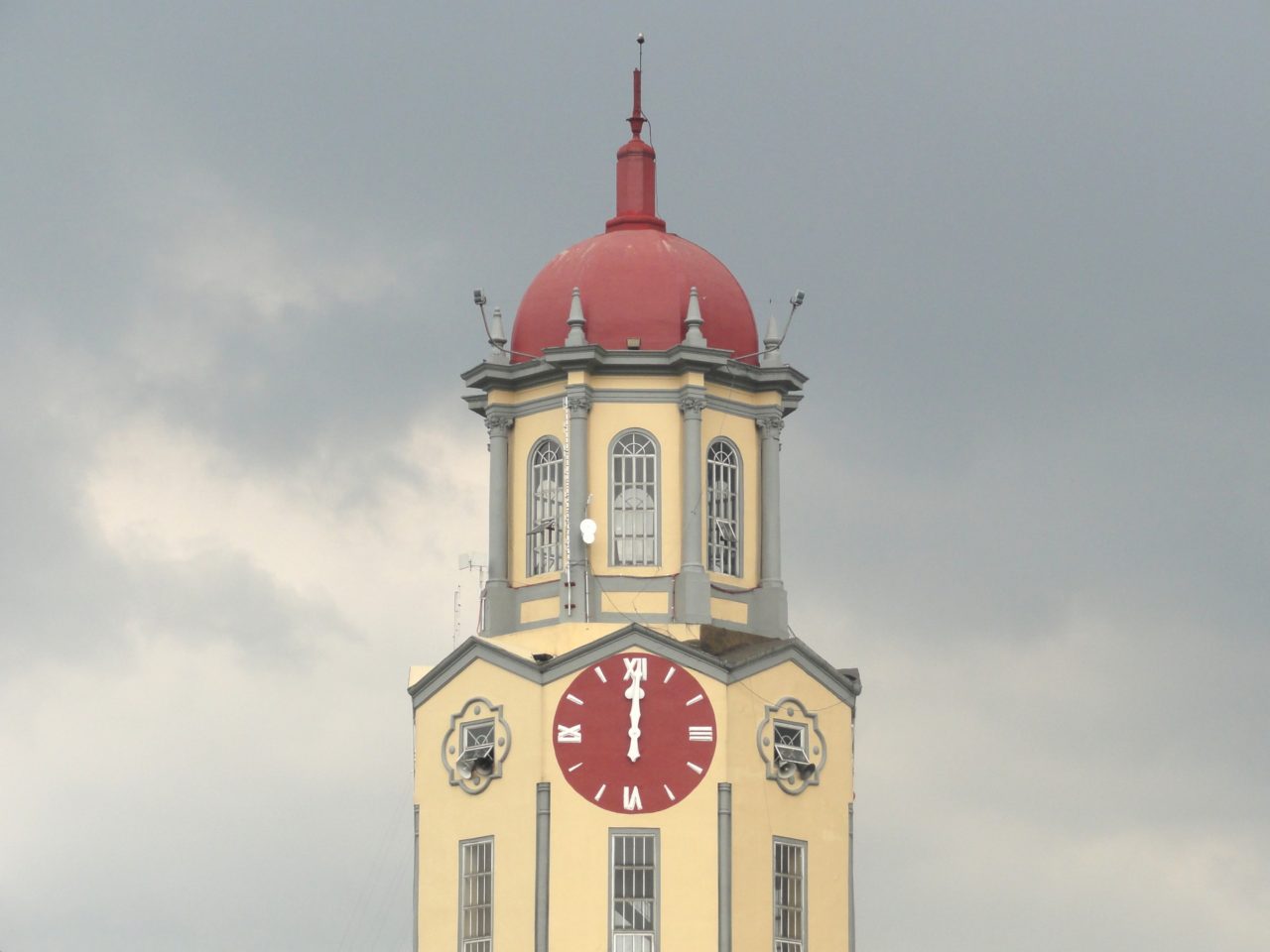
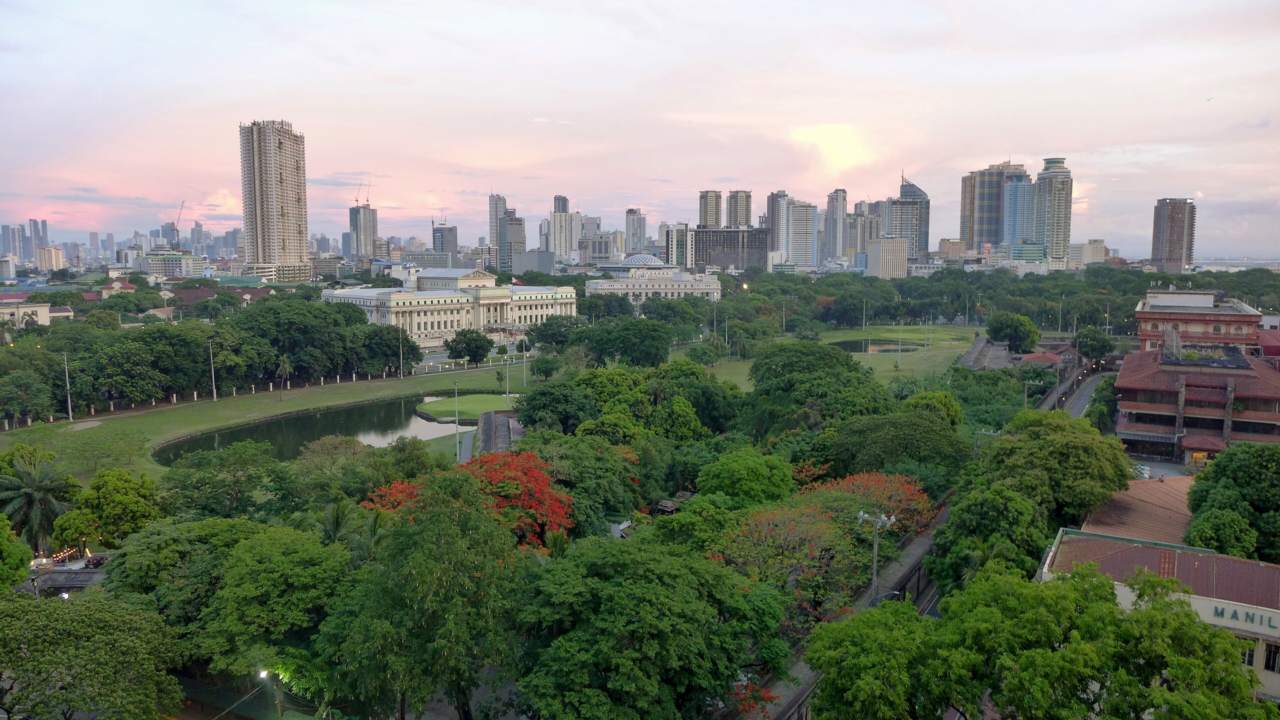
Manila is a vibrant metropolis where history and modernity coexist. The city buzzes with energy, from the bustling streets of Quiapo to the serene parks of Rizal, offering a rich tapestry of experiences for every traveler.

Visitors will find a mix of colonial architecture, lively markets, and a diverse culinary scene. However, the city's traffic can be overwhelming, and navigating its crowded streets requires patience and a sense of adventure.

Sightseeing

Intramuros: the historic walled city with Spanish colonial architecture
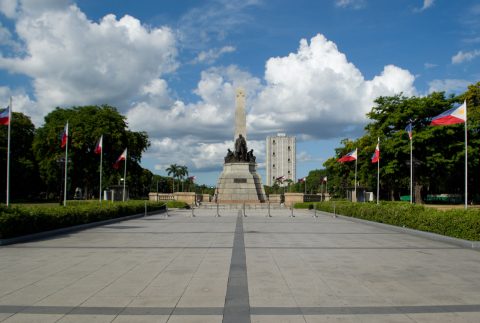
Rizal Park: a large urban park honoring national hero Jose Rizal
San Agustin Church: a UNESCO World Heritage site and the oldest stone church in the Philippines
National Museum Complex: a collection of museums showcasing Filipino art and history
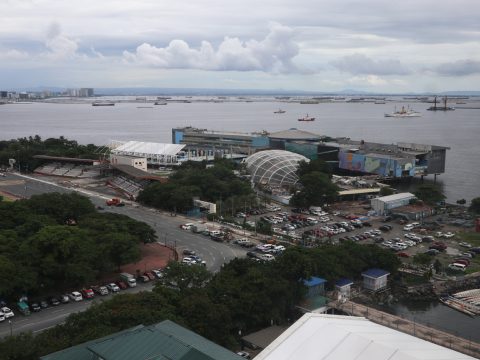
Manila Ocean Park: an oceanarium and marine-themed park for families
Fort Santiago: a citadel that played a crucial role in Philippine history
Binondo: the world's oldest Chinatown, rich in culture and cuisine
Cultural Center of the Philippines: a hub for performing arts and cultural events

"A City of Rich Heritage and Culture"Manila

Things to do

Explore Intramuros: walk through the historic streets and visit museums
Shop at Divisoria: experience the bustling market for bargains
Take a sunset cruise: enjoy Manila Bay's stunning sunsets on a boat
Visit the National Museum: delve into Filipino art and history
Experience local nightlife: discover bars and clubs in Poblacion

Principales atracciones

Comida y bebida local - Manila

Comida y bebida local

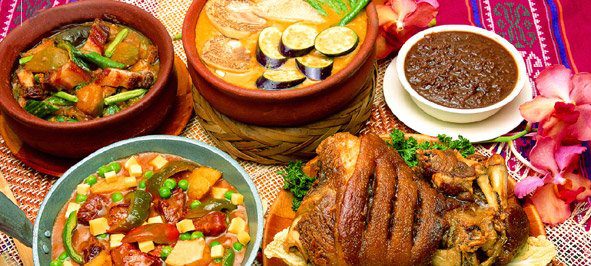
Adobo: a savory stew of meat marinated in vinegar and soy sauce
Sinigang: a sour soup made with tamarind and various meats
Lechon: roasted whole pig, a festive delicacy
Halo-halo: a popular dessert with shaved ice and mixed ingredients
Jollibee: a beloved fast-food chain serving Filipino favorites
Tradiciones locales - Manila

Tradiciones locales

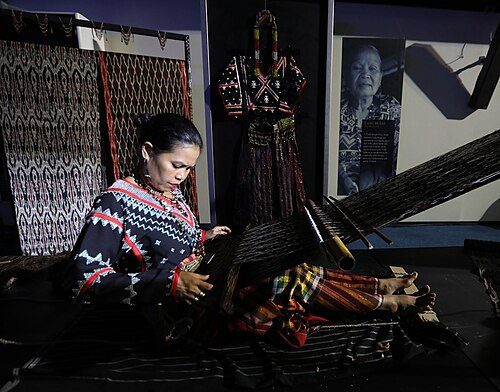
Fiesta: local festivals celebrating patron saints with parades and feasts
Pahiyas Festival: a colorful harvest festival in nearby Lucban
Christmas celebrations: elaborate decorations and festivities starting as early as September
Bayanihan: the spirit of communal unity and cooperation
Historia - Manila

Historia

Manila's history dates back to the 10th century when it was a small settlement. It became a significant trading port for the Spanish in the 16th century, leading to its establishment as the capital of the Philippines.

Over the centuries, Manila has endured colonization, war, and natural disasters. The city was heavily bombed during World War II, leading to extensive rebuilding efforts that shaped its modern landscape.

Cosas que saber

Traffic congestion is severe, plan travel times accordingly
Be cautious in crowded areas to avoid pickpockets
Public transport can be confusing; consider using rideshare apps
Some tourist spots may have entrance fees, check in advance

Qué hacer y qué evitar

Try local street food for an authentic taste
Respect local customs and traditions
Bargain at markets for better prices
Learn a few basic Filipino phrases to connect with locals
Don't flash valuables in public areas
Don't engage in aggressive bargaining; be polite
Don't assume everyone speaks English; be patient
Don't visit during rush hour if possible to avoid traffic

Foto: Wikipedia / Wikimedia Commons