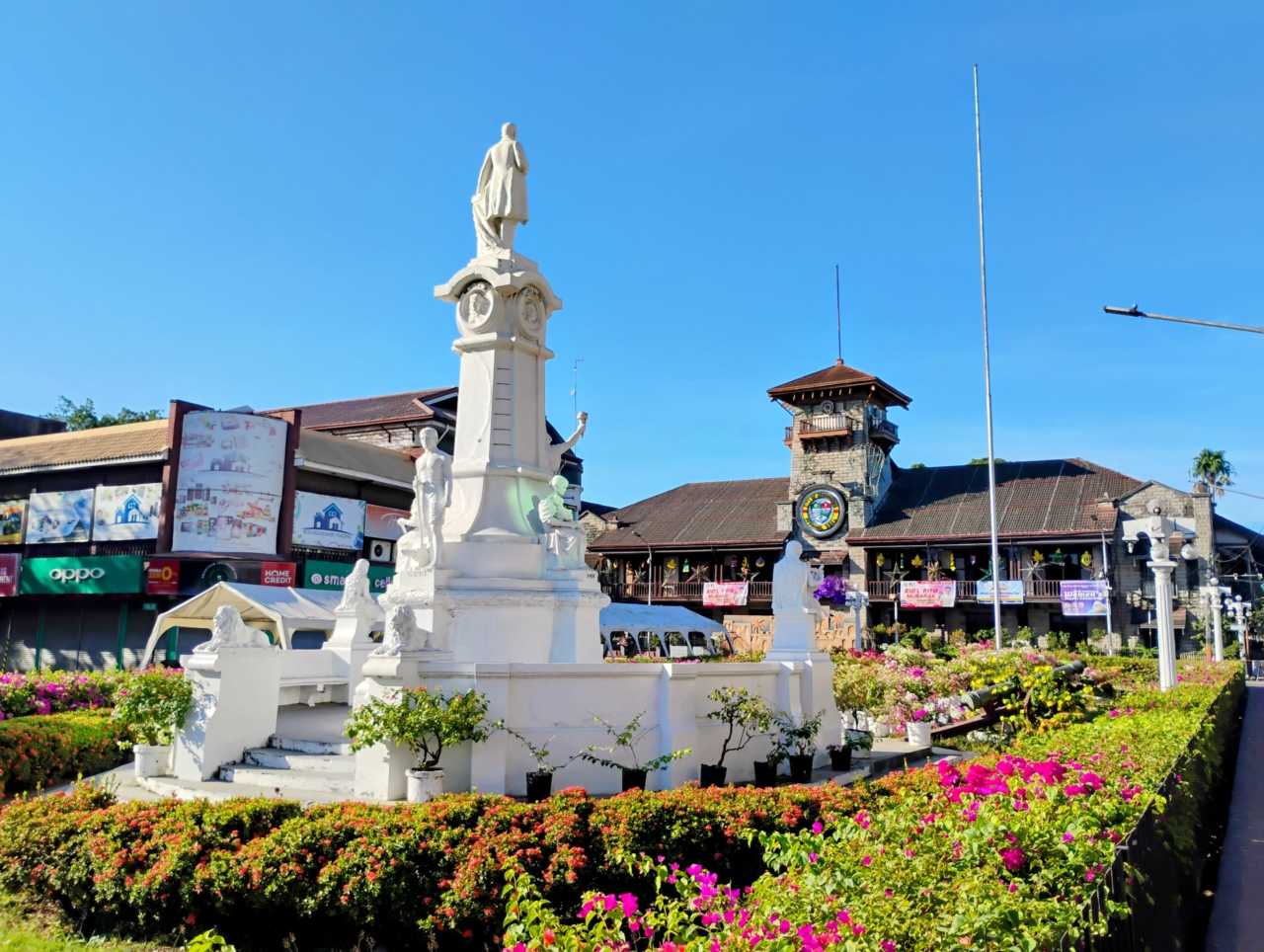
Introduction
Zamboanga City, known as the 'City of Flowers', offers a unique blend of cultures, with influences from Spanish, Muslim, and indigenous traditions. Visitors are greeted by vibrant street life, colorful markets, and a stunning coastal landscape that invites exploration.
The city is also a gateway to beautiful beaches and rich marine biodiversity, making it a haven for nature lovers. However, the bustling atmosphere can be overwhelming, and navigating the local transport system may require patience and a sense of adventure.
Sightseeing
Things to do
Principales atracciones
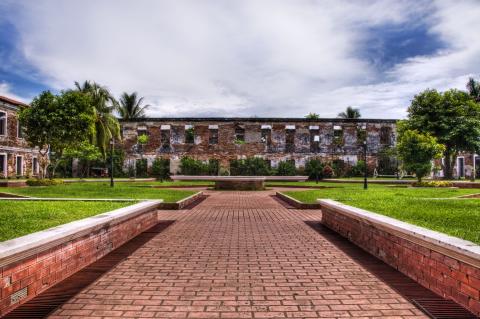
Fort Pilar
A glimpse into the city's colonial past
Paseo del Mar
Ideal for family outings and sunset views
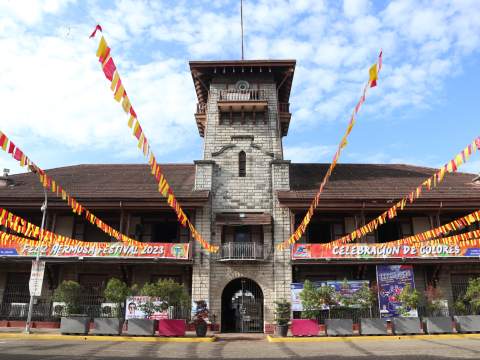
Zamboanga City Hall
A historical landmark with beautiful architecture
Zamboanga Heritage Museum
Showcases the rich cultural history of Zamboanga
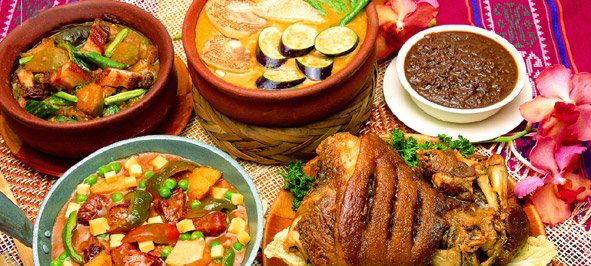
Comida y bebida local
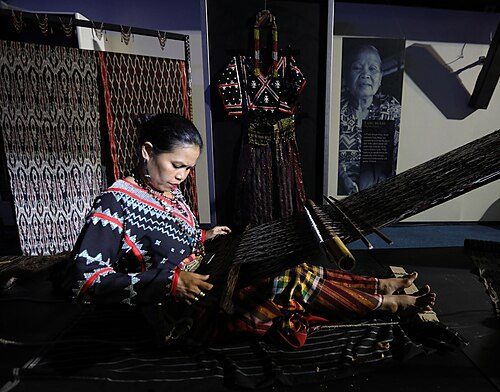
Tradiciones locales
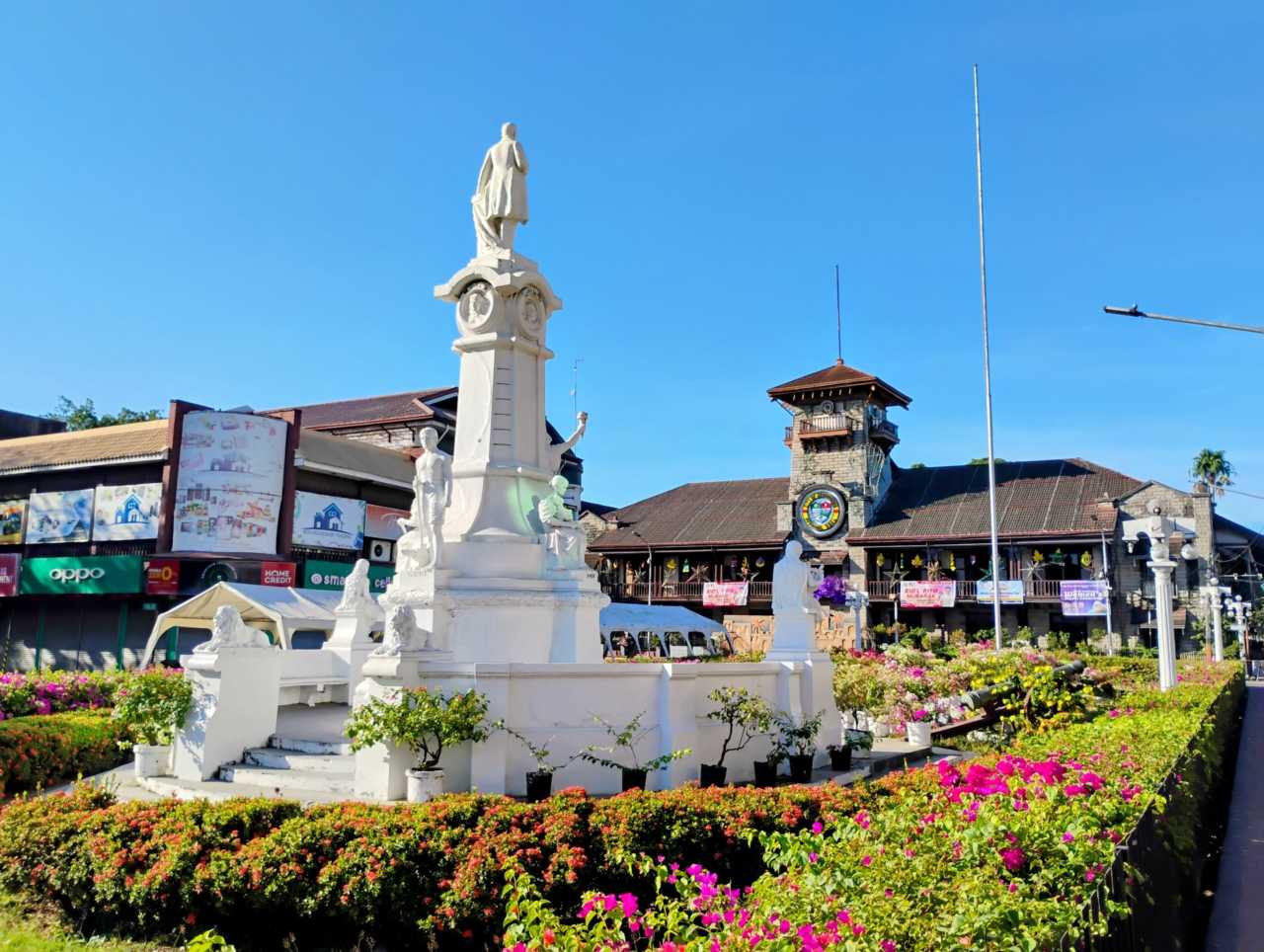
Historia
Zamboanga City has a rich history dating back to the Spanish colonial period, when it served as a military outpost. The city has been a melting pot of cultures, with influences from various ethnic groups, particularly the Tausug and Chavacano people.
In the 20th century, Zamboanga became a significant economic hub in the southern Philippines, known for its trade and agriculture. Today, it stands as a vibrant city that reflects its diverse heritage and resilience through various challenges.
Cosas que saber
Qué hacer y qué evitar
Foto: Wikipedia / Wikimedia Commons