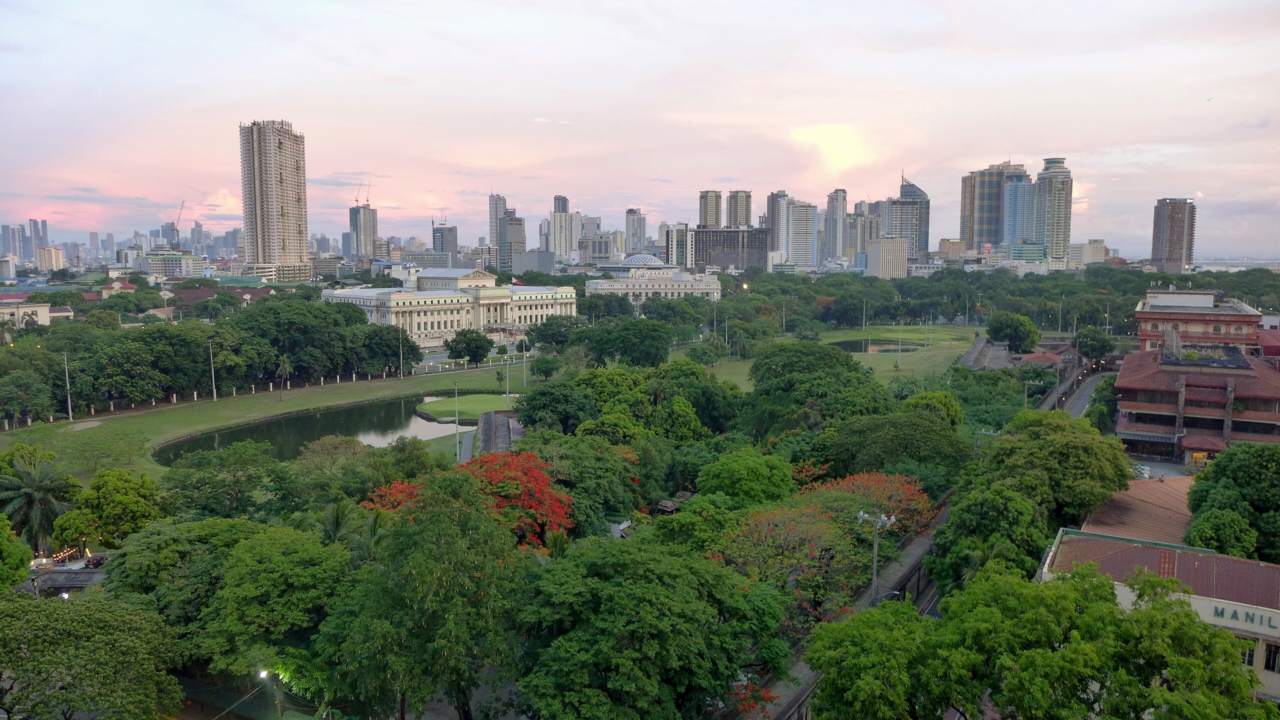
 Philippines
Introduction
The Philippines is a stunning archipelago of over 7,000 islands, offering diverse landscapes from pristine beaches to lush mountains. Travelers are drawn to its vibrant culture, friendly locals, and rich history, making it a unique destination in Southeast Asia.
However, navigating the islands can be challenging due to limited infrastructure and varying transport options. While some areas are well-developed, others may lack basic amenities, so it's essential to plan ahead and be prepared for unexpected situations.
In beeld


In de schijnwerpers
 Stad
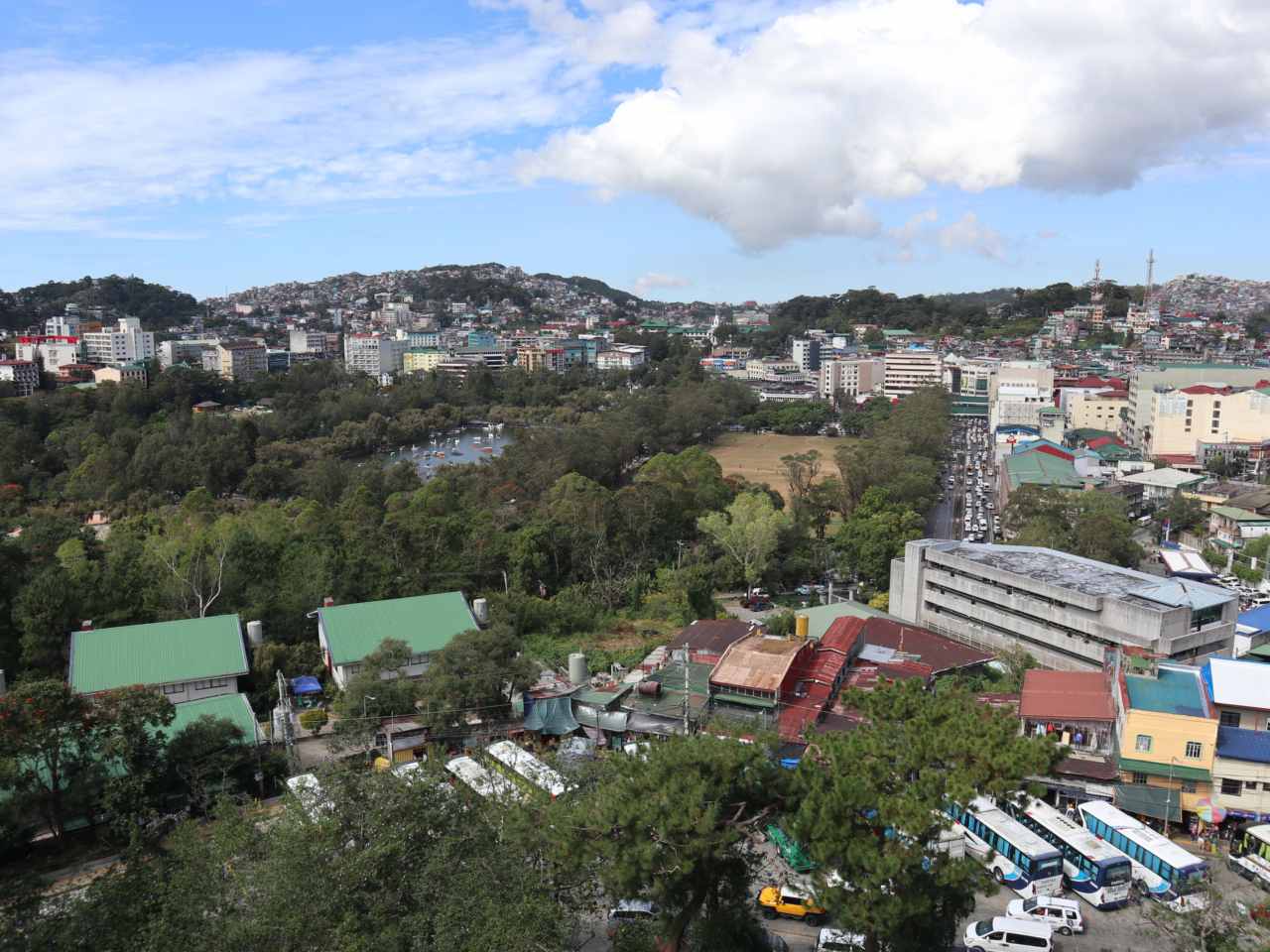
Baguio City
Baguio City, known as the Summer Capital of the Philippines, offers a refreshing escape fr
Stad
Baguio City
Baguio City, known as the Summer Capital of the Philippines, offers a refreshing escape fr
 Stad
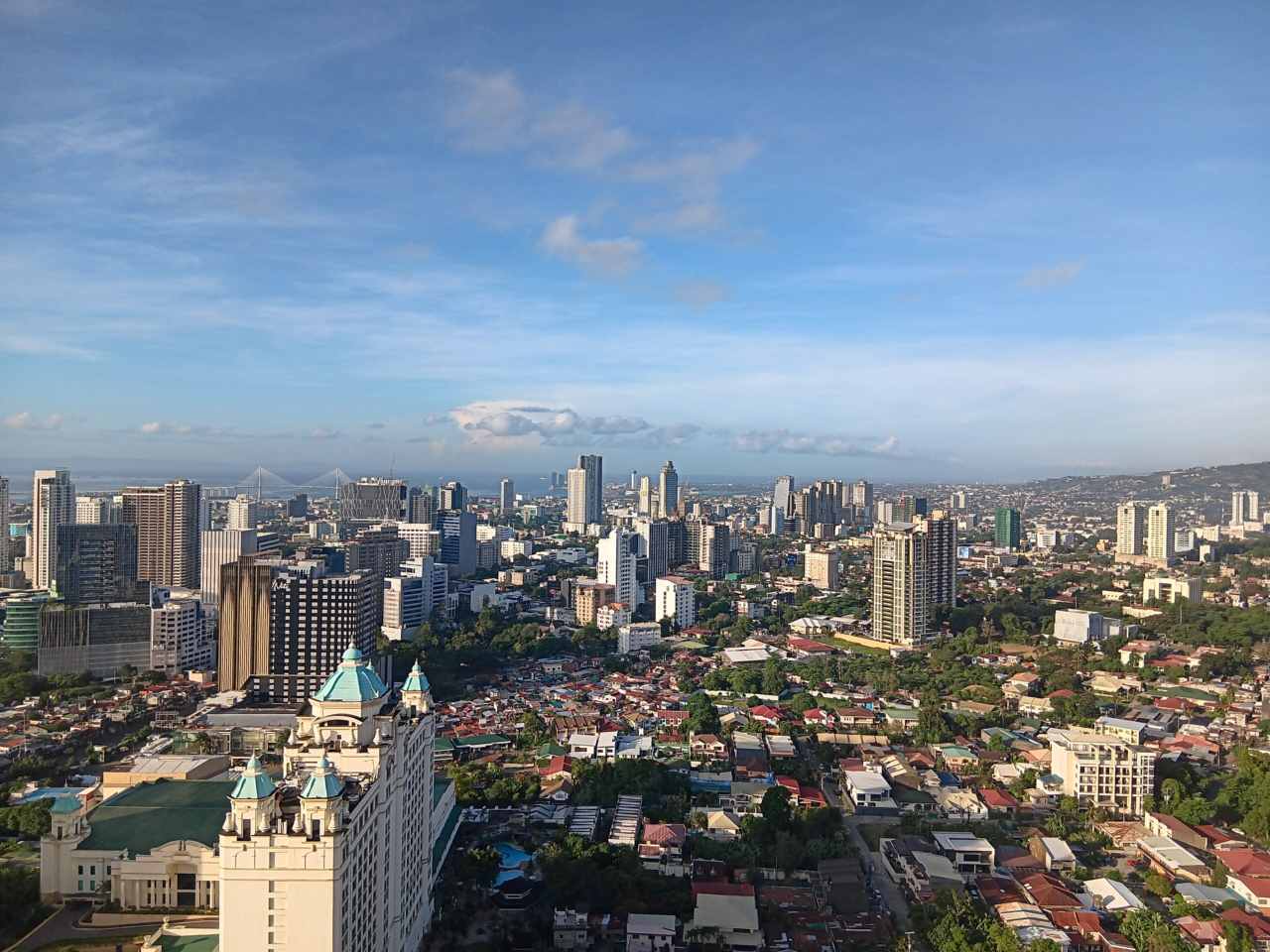
Cebu City
Cebu City is a vibrant blend of history and modernity, where colonial architecture meets b
Stad
Cebu City
Cebu City is a vibrant blend of history and modernity, where colonial architecture meets b
 Stad
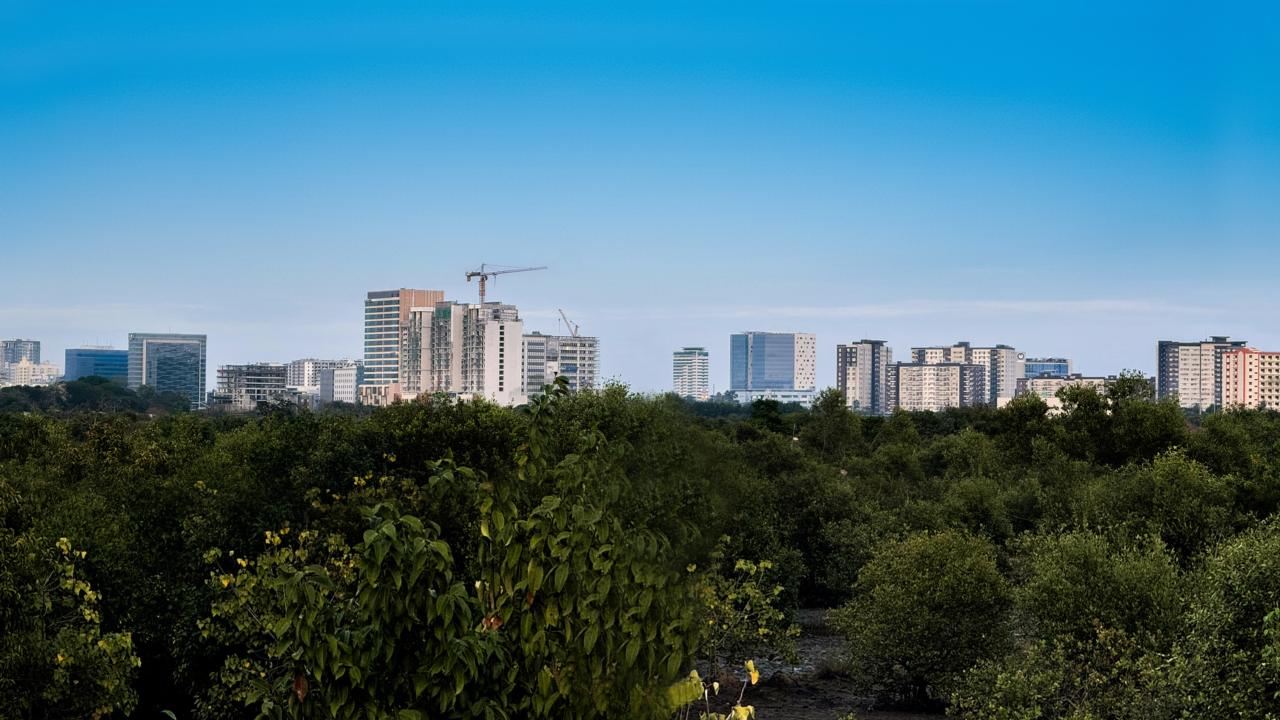
Iloilo City
Iloilo City is a charming blend of history and modernity, offering visitors a warm welcome
Stad
Iloilo City
Iloilo City is a charming blend of history and modernity, offering visitors a warm welcome
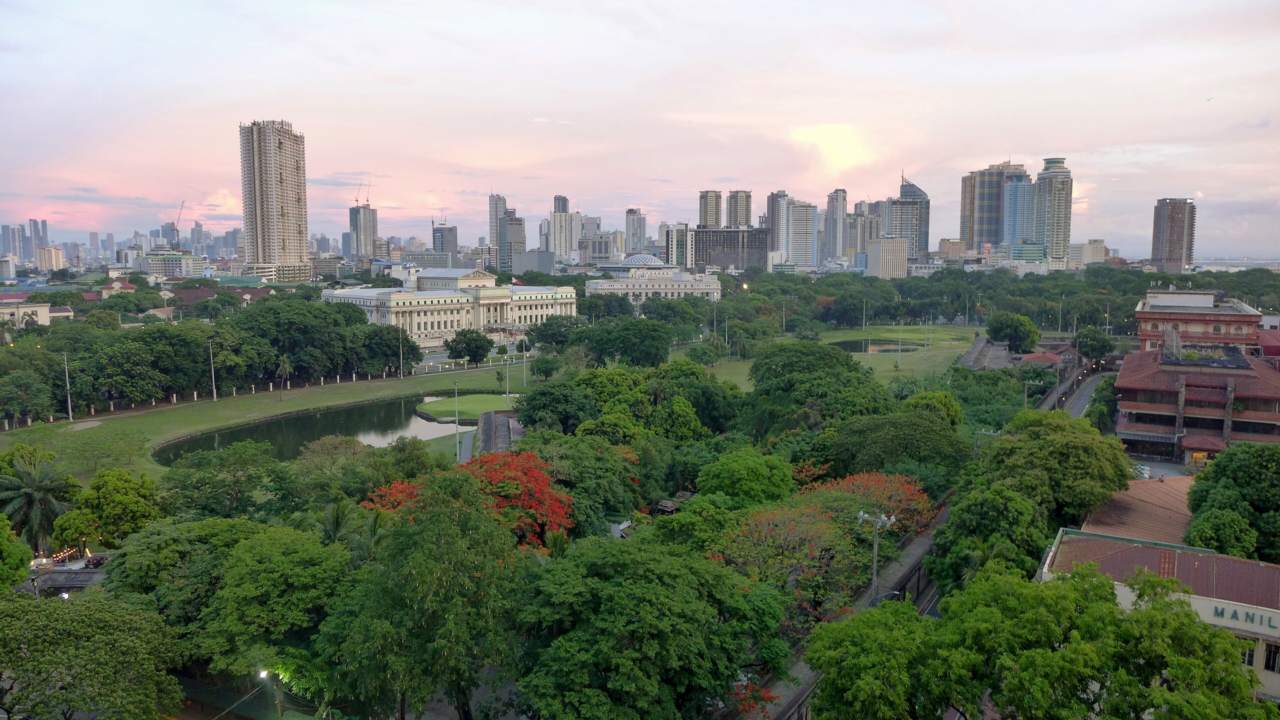 Stad
Manila
Manila is a vibrant metropolis where history and modernity coexist. The city buzzes with e
Stad
Manila
Manila is a vibrant metropolis where history and modernity coexist. The city buzzes with e
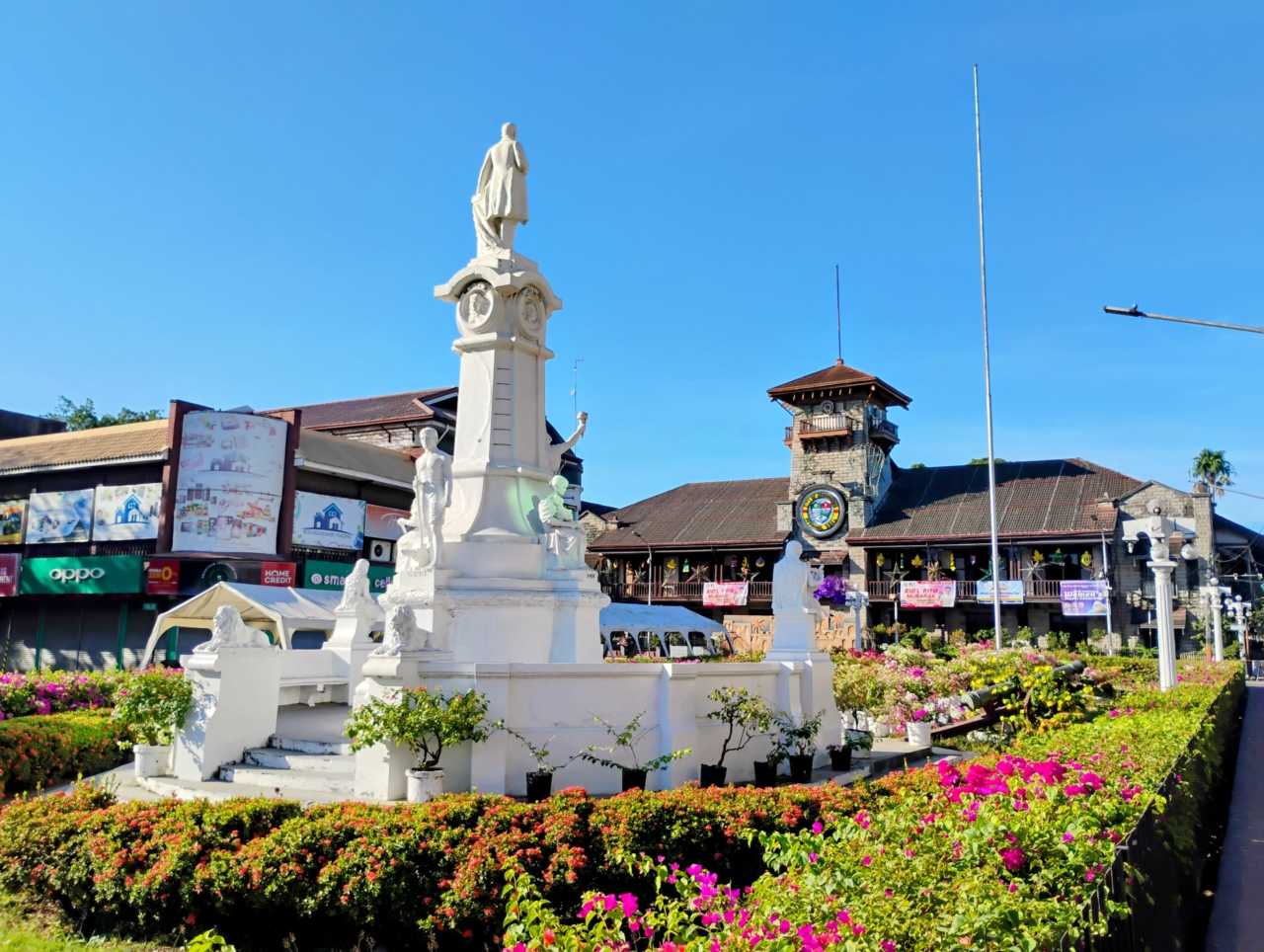 Stad
Zamboanga City
Zamboanga City, known as the 'City of Flowers', offers a unique blend of cultures, with in
Stad
Zamboanga City
Zamboanga City, known as the 'City of Flowers', offers a unique blend of cultures, with in
Sightseeing
Things to do
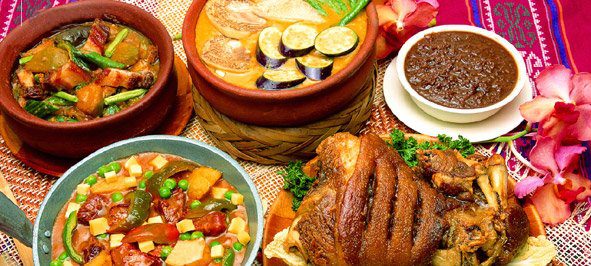
Lokaal eten en drinken
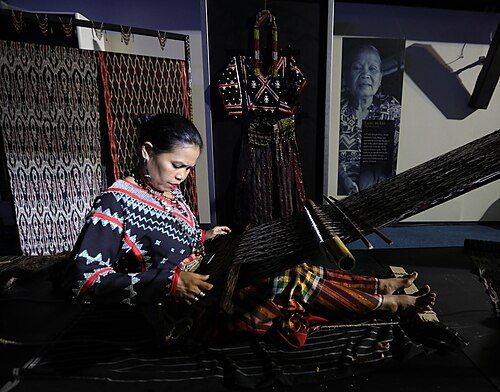
Lokale tradities
Geschiedenis
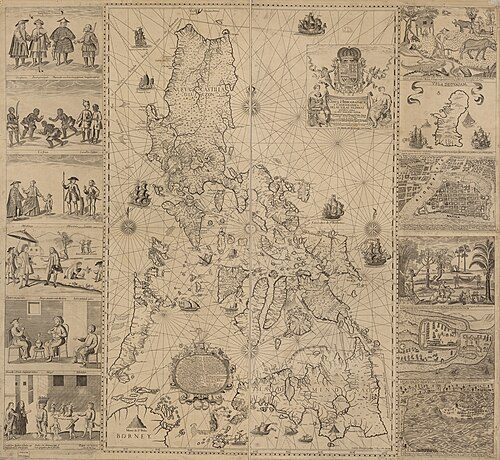
The Philippines has a rich history influenced by various cultures, from indigenous tribes to Spanish colonization in the 16th century. The archipelago was named after King Philip II of Spain and became a crucial trade hub in Asia.
After over 300 years of Spanish rule, the Philippines declared independence in 1898, only to be ceded to the United States. The country faced challenges during World War II and later transitioned to independence in 1946, shaping its modern identity.
Basic information
Travel information
Flights are available to major cities like Manila and Cebu from various international destinations Domestic flights and ferries connect the islands, but travel times can vary Public transportation includes jeepneys, tricycles, and buses, often crowded and colorful Credit cards are widely accepted in urban areas, but cash is essential in rural regions Internet connectivity is improving, but may be limited in remote areas
Dingen om te weten
Do's en don'ts
Steden
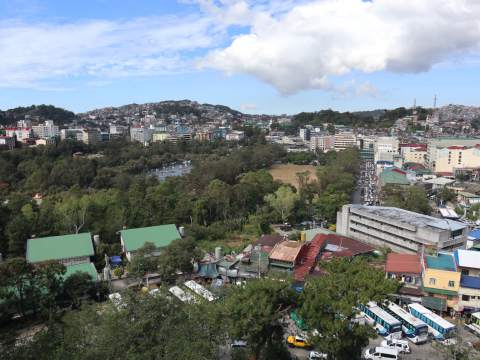
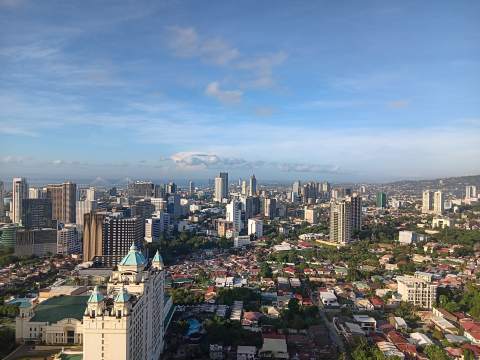
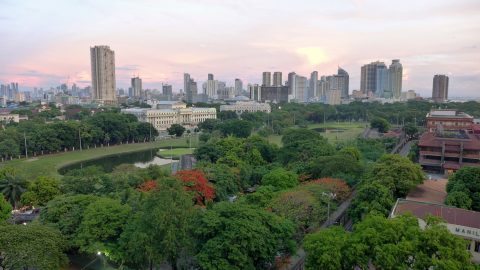
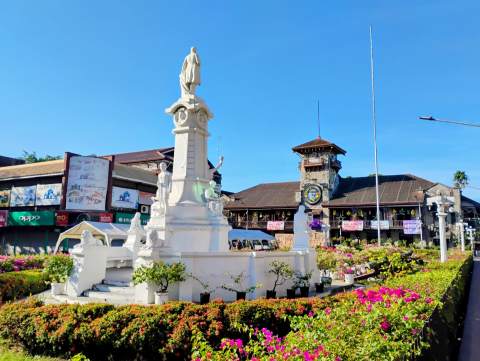
Foto: Wikipedia / Wikimedia Commons