
Introduction
Hue, the former imperial capital of Vietnam, is a city steeped in history and culture. Visitors are often captivated by its serene atmosphere, with the Perfume River winding through ancient citadels and pagodas, offering a glimpse into the country's royal past.
The city is a blend of traditional Vietnamese architecture and French colonial influences, creating a unique charm. However, the pace can be slow, and some areas may feel less vibrant compared to bustling cities like Hanoi or Ho Chi Minh City.
Sightseeing
Things to do
Principales atracciones
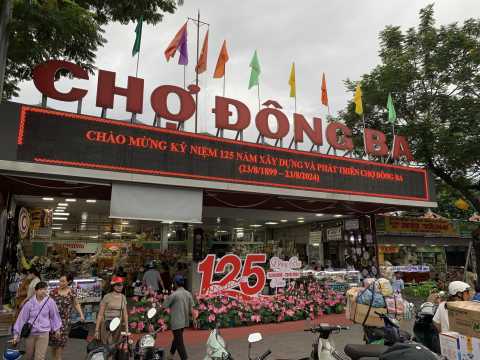
Dong Ba Market
Vibrant market for local goods
Imperial City
A UNESCO site rich in history
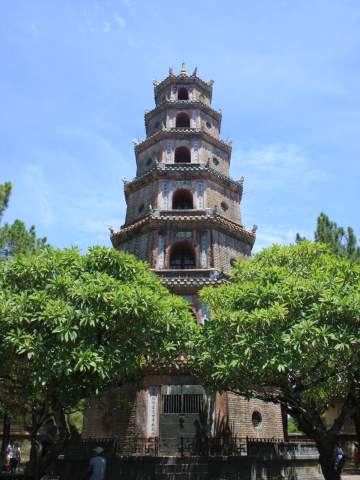
Thien Mu Pagoda
Iconic symbol of Hue with stunning views
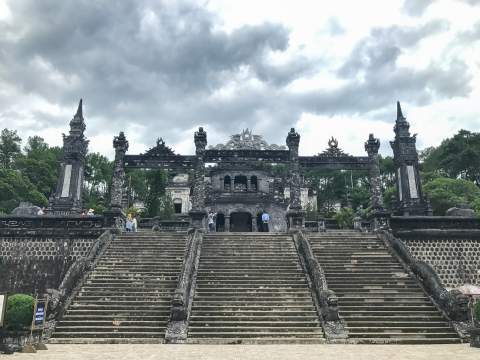
Tomb of Khai Dinh
Unique architecture blending cultures
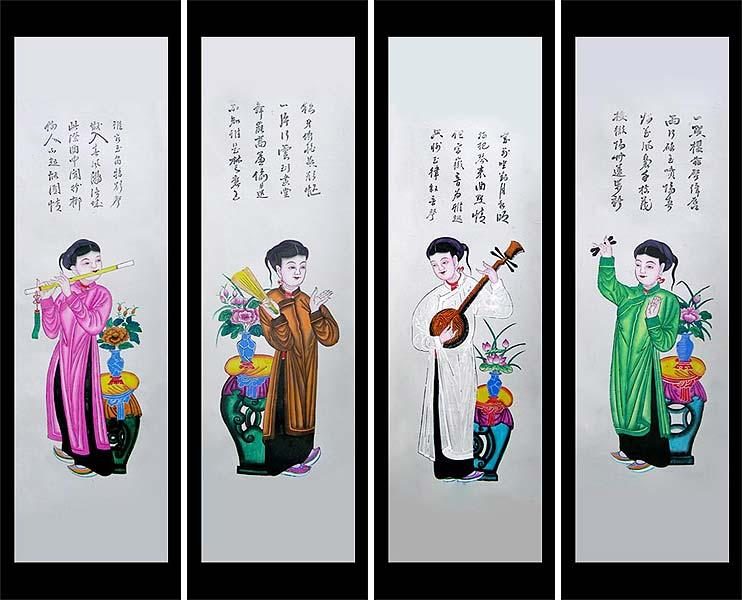
Comida y bebida local
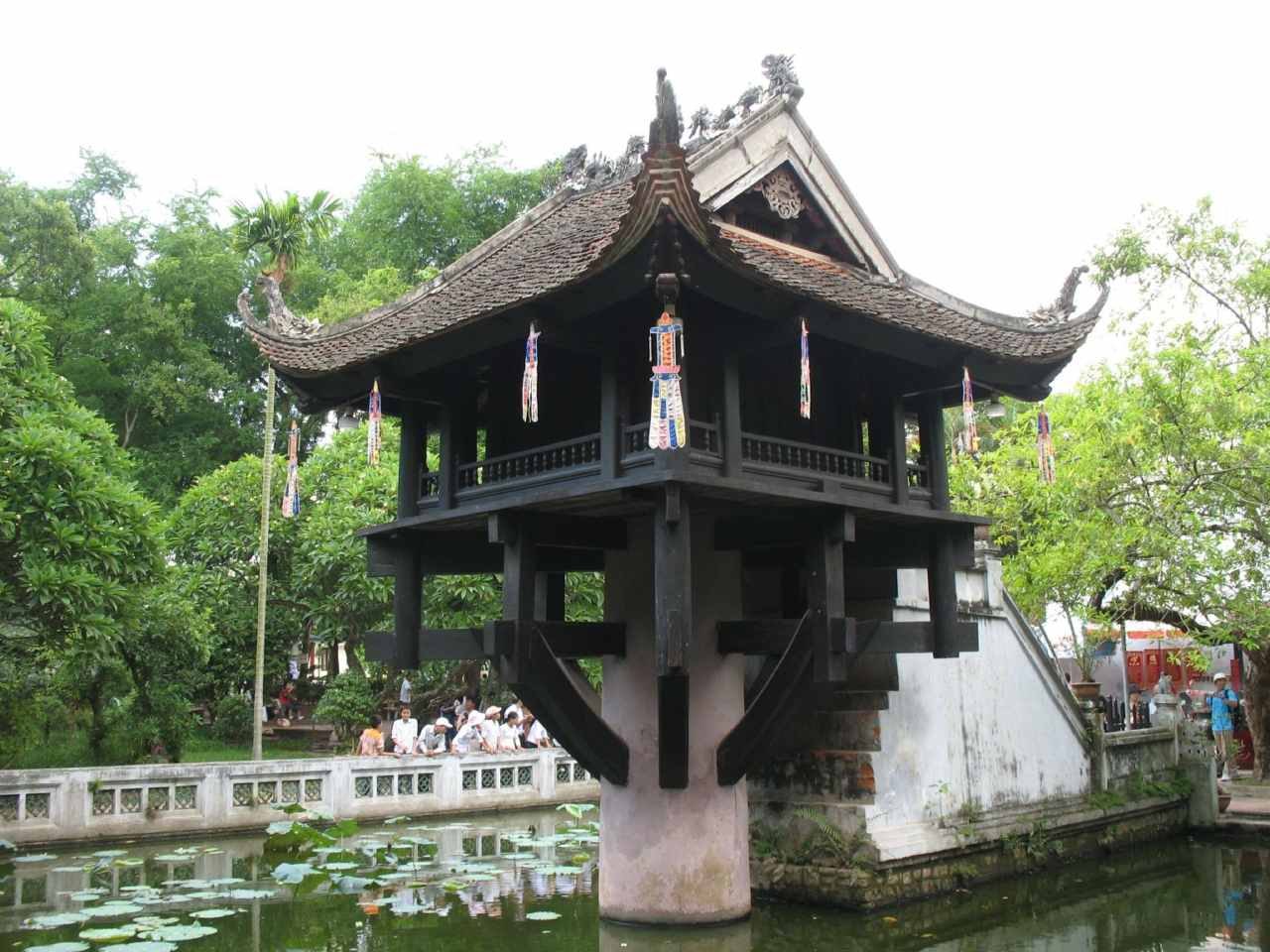
Tradiciones locales

Historia
Hue was established as the capital of Vietnam during the Nguyen Dynasty in the early 19th century. The city flourished as a political and cultural center, with the construction of grand palaces, temples, and tombs that reflect the power of the Nguyen emperors.
After the fall of the dynasty in the early 20th century, Hue's significance diminished, but it remains a vital historical site. The city suffered during the Vietnam War, yet it has preserved much of its heritage, making it a fascinating destination for history enthusiasts.
Cosas que saber
Qué hacer y qué evitar
Rutas populares aquí
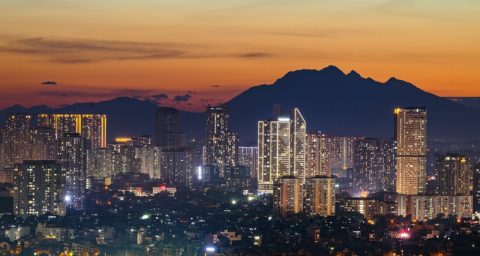
Foto: Wikipedia / Wikimedia Commons