kiomigo
search
search
add New trip
Labasa

Labasa

Population: 20.000 Since: Founded in the late 1800s

Introduction

Labasa, located on the island of Vanua Levu in Fiji, offers a unique blend of cultural diversity and natural beauty. Visitors are greeted by lush landscapes, vibrant markets, and a warm, welcoming community that reflects the island's rich heritage.

The town is less touristy than other Fijian destinations, providing an authentic experience. While the pace is slower, the charm lies in its local life, where you can witness traditional customs and enjoy the stunning scenery of nearby beaches and rivers.

Sightseeing

Labasa Sugar Mill: a historic site showcasing Fiji's sugar industry
Nabouwalu Beach: a serene spot for relaxation and swimming
Taveuni Island: a nearby island known for its natural beauty
Labasa Market: a bustling market filled with local produce and crafts
Waisali Rainforest Reserve: a lush area for nature walks and birdwatching

"Experience the Heart of Fiji"Labasa

Things to do

Explore the local markets: experience the vibrant culture and fresh produce
Visit nearby waterfalls: enjoy swimming and picnicking in nature
Take a boat trip: discover the surrounding islands and marine life
Attend a cultural event: immerse yourself in local traditions and festivities

Topattracties

Lokaal eten en drinken - Labasa

Lokaal eten en drinken

Palusami: a traditional dish made with taro leaves and coconut milk
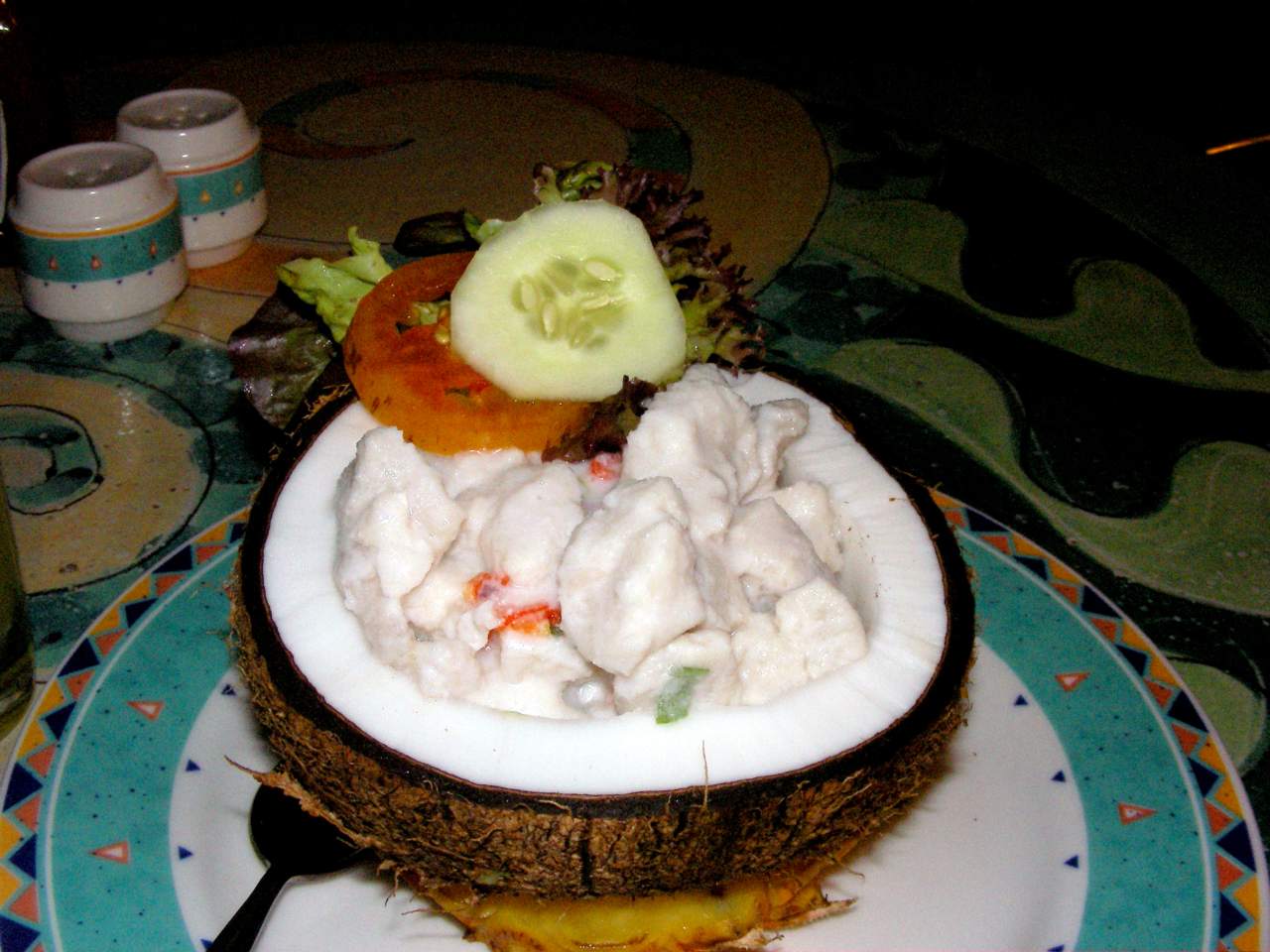
Kokoda: a Fijian ceviche made with fresh fish and lime
Labasa Curry House: known for its delicious Indian-inspired dishes
Fijian BBQ: enjoy grilled meats and seafood at local eateries
Tropical fruit juices: refreshing drinks made from local fruits
Lokale tradities - Labasa

Lokale tradities

Hibiscus Festival: an annual celebration of culture and community
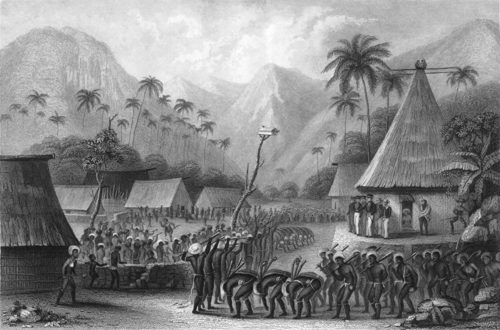
Meke: traditional dance performances showcasing Fijian stories
Kava ceremonies: a social ritual involving the sharing of kava drink
Fijian weddings: vibrant celebrations filled with music and dance
Geschiedenis - Labasa

Geschiedenis

Labasa's history is deeply intertwined with the sugar industry, which began in the late 19th century when the first sugar cane plantations were established. The town grew rapidly as workers from various backgrounds settled here, creating a multicultural community that still thrives today.

Over the years, Labasa has faced challenges, including natural disasters and economic shifts. However, it has remained resilient, evolving into a hub for agriculture and trade while preserving its cultural heritage.

Dingen om te weten

Public transport can be infrequent, so plan ahead
Be cautious of stray dogs in some areas
Respect local customs, especially during ceremonies
Avoid visiting during the cyclone season for safety

Do's en don'ts

Try the local cuisine at street vendors
Engage with locals to learn about their culture
Respect sacred sites and traditions
Bring cash, as not all places accept cards
Don't assume everyone speaks English fluently
Don't take photos without asking permission
Don't litter, as cleanliness is important to locals
Don't rush; embrace the laid-back lifestyle

Foto: Wikipedia / Wikimedia Commons