kiomigo
search
search
add New trip
Lae

Lae

Population: 100.000 Since: Founded in the late 19th century

Introduction

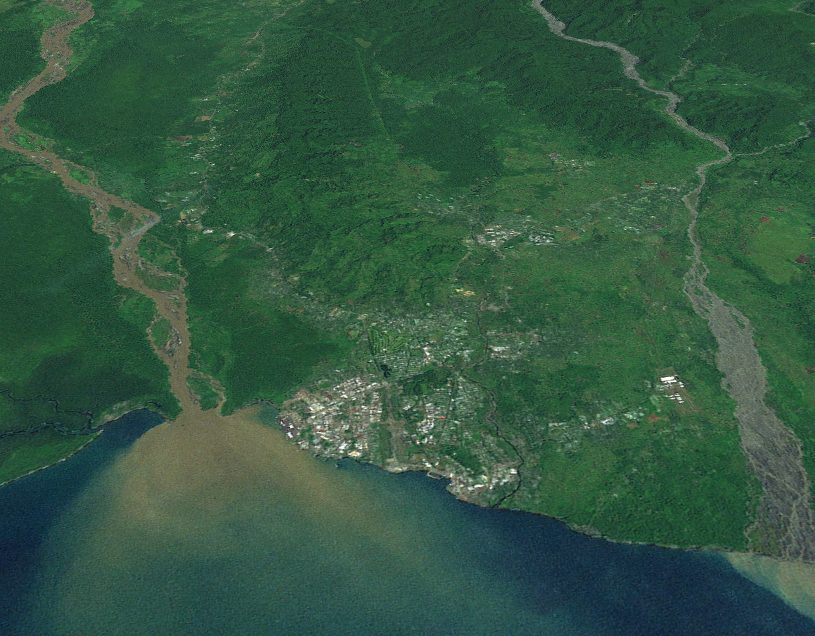
Lae, the second-largest city in Papua New Guinea, offers a unique blend of urban life and natural beauty. Visitors are greeted by lush landscapes and the bustling activity of a port city, where the local culture is vibrant and welcoming.

However, Lae is not without its challenges. Infrastructure can be lacking, and travelers should be prepared for a less polished experience compared to other destinations. Still, the warmth of the locals and the rich cultural tapestry make it a worthwhile stop.

Sightseeing

Lae Botanical Gardens: a serene escape with diverse flora
Lae War Cemetery: a poignant tribute to WWII soldiers
Trek to Mount Puncak: stunning views for adventurous hikers
Malahang Beach: a local favorite for relaxation and picnics
Lae Markets: vibrant stalls showcasing local produce and crafts

"A vibrant blend of culture and nature"Lae

Things to do

Explore the Lae Wildlife Sanctuary: see native species up close
Visit the local markets: immerse in the bustling atmosphere
Take a river cruise: enjoy the scenery along the Markham River
Hike in the surrounding hills: discover breathtaking landscapes

Top-Attraktionen

Lokales Essen und Trinken - Lae

Lokales Essen und Trinken

Mumu: traditional dish cooked in an underground oven
Kaukau: local sweet potato, a staple food
Kokoda: fresh fish marinated in lime and coconut
Lae Coffee: locally grown coffee, rich in flavor
Buka: a popular local beer to try
Lokale Traditionen - Lae

Lokale Traditionen

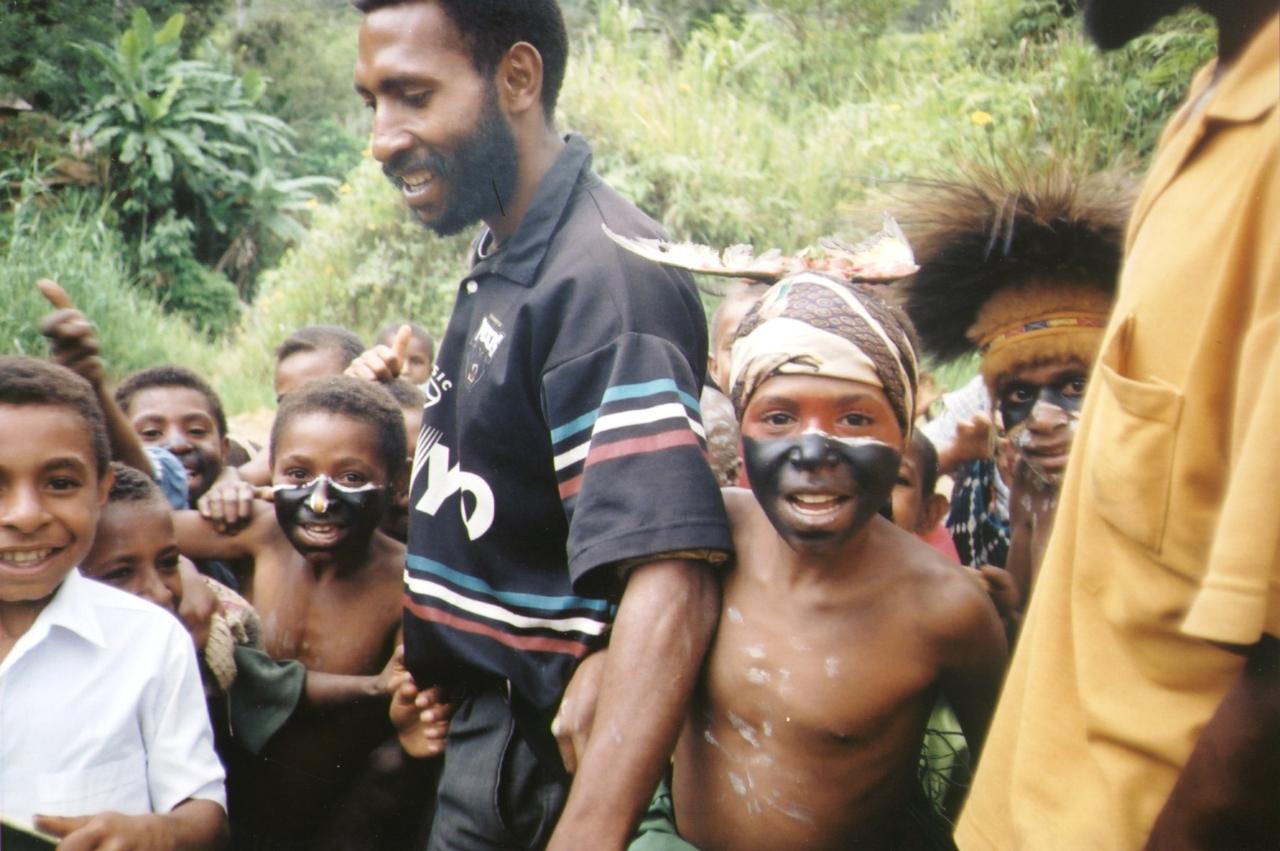
Sing-Sing Festivals: vibrant cultural performances showcasing local tribes
Traditional weaving: a craft passed down through generations
Customary feasts: communal gatherings celebrating important events
Bai: traditional men's house, central to community life
Geschichte - Lae

Geschichte

Lae was established in the late 19th century as a trading post, rapidly growing due to its strategic location as a port. The city played a significant role during World War II, serving as a base for Allied forces, which shaped its development.

Post-war, Lae transformed into a commercial hub, attracting migrants and businesses. Today, it stands as a melting pot of cultures, reflecting the diverse heritage of Papua New Guinea.

Wissenswertes

Be cautious of your belongings in crowded areas, as petty theft can occur
Public transport is limited; consider hiring a car or using taxis
Travel during the dry season for the best weather conditions
Some areas may lack reliable electricity and water supply

Do's und Don'ts

Engage with locals to learn about their culture
Respect traditional customs and practices
Try local dishes to fully experience the cuisine
Stay hydrated, especially in the tropical climate
Don't wander alone at night in unfamiliar areas
Don't assume all roads are well-maintained; plan accordingly
Don't take photos of people without permission
Don't ignore local advice on safety and travel

Foto: Wikipedia / Wikimedia Commons