kiomigo
search
search
add New trip
Rabaul

Rabaul

Population: 20.000 Since: Founded in the late 19th century

Introduction

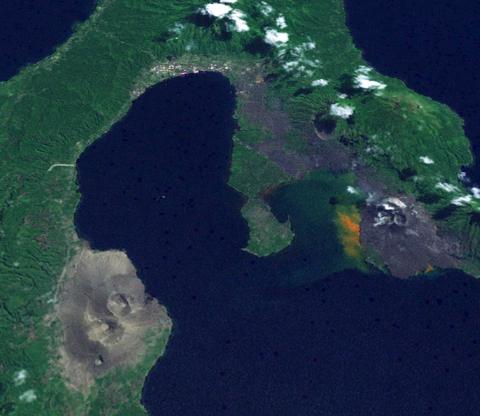
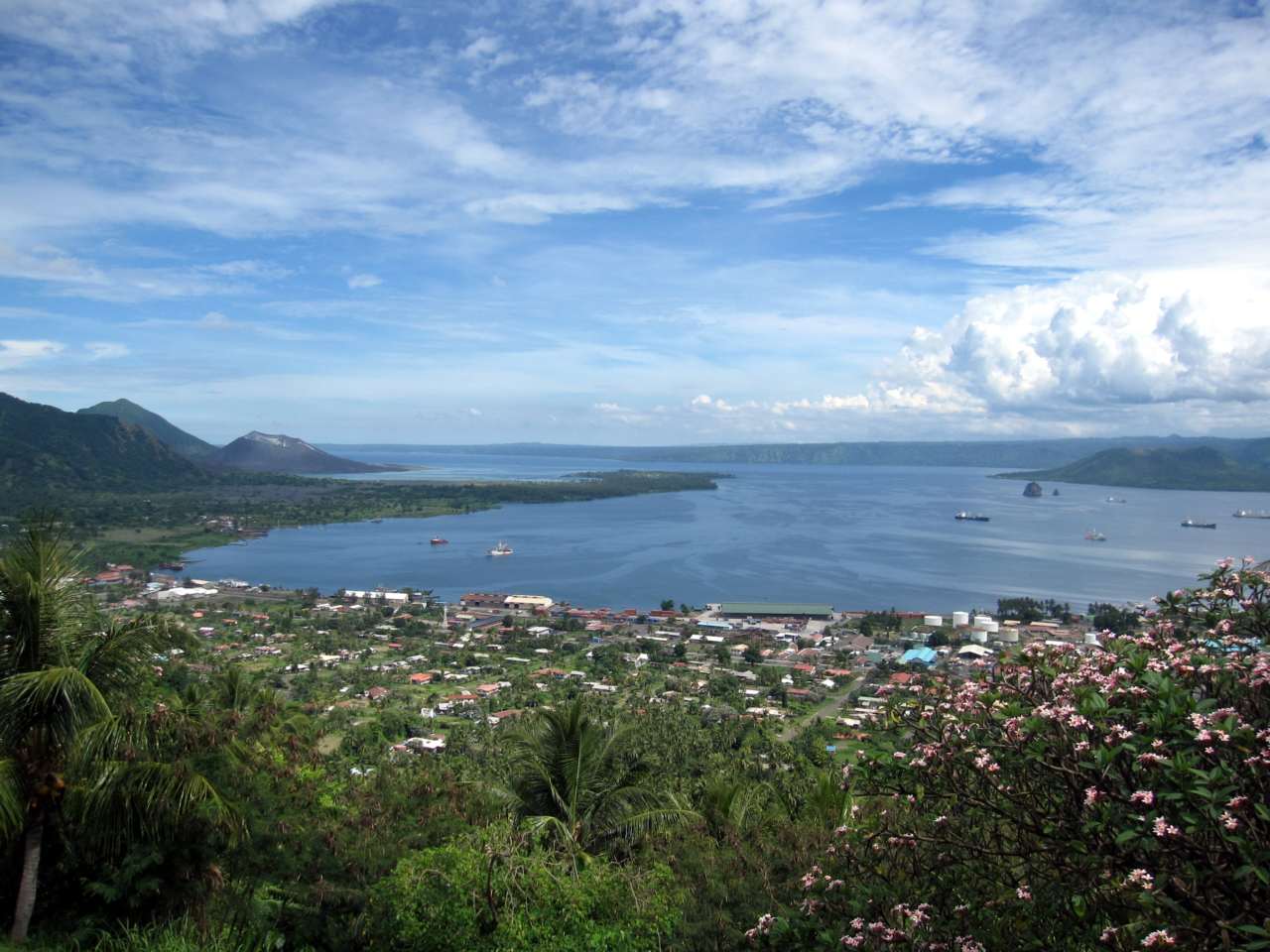
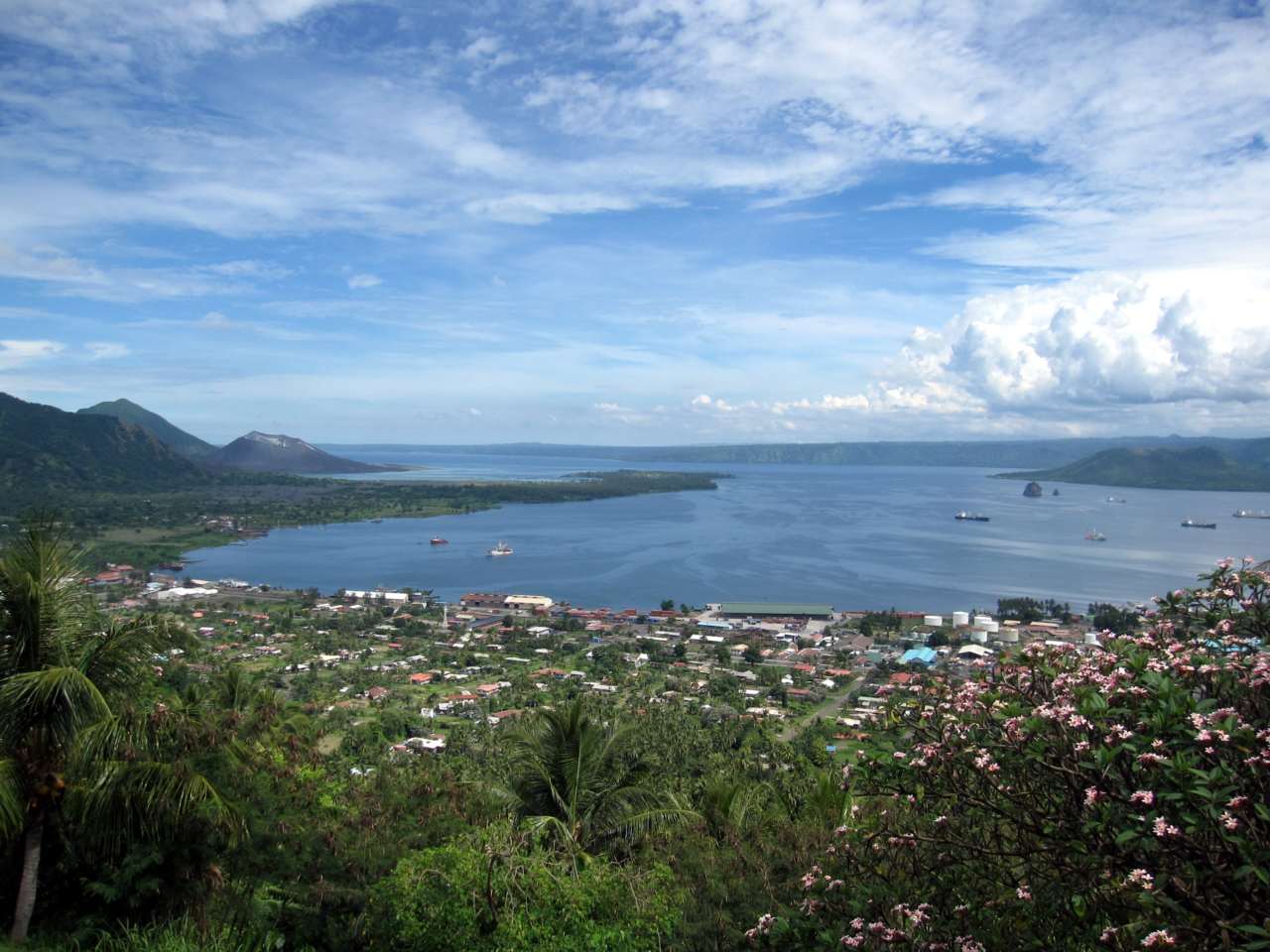
Rabaul is a unique blend of natural beauty and rich history, nestled in a stunning bay surrounded by volcanoes. Visitors are often captivated by its vibrant local culture and the remnants of its colonial past, making it a fascinating stop in Papua New Guinea.

The atmosphere is laid-back, with friendly locals and a slower pace of life. However, the remnants of volcanic activity and World War II history add a layer of intrigue, inviting exploration and reflection.

Sightseeing

Rabaul Volcano: a striking backdrop and hiking opportunity
Nassau Bay: scenic views and a great spot for photography
Japanese War Tunnels: historical remnants from WWII
Rabaul Historical Society Museum: insights into local history and culture
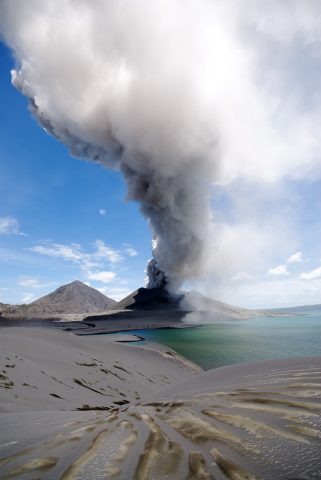
Mount Tavurvur: an active volcano worth visiting
Kokopo Market: vibrant local market for crafts and produce
Tavurvur Hot Springs: natural hot springs for relaxation
Rabaul's Sunken Ships: dive sites for underwater exploration

"A blend of history and natural beauty"Rabaul

Things to do

Hike up to Mount Tavurvur: enjoy panoramic views
Explore the Japanese War Tunnels: delve into history
Visit local markets: experience the vibrant culture
Take a boat tour around the bay: enjoy the scenery
Snorkel or dive at nearby reefs: discover marine life

Topattracties

Lokaal eten en drinken - Rabaul

Lokaal eten en drinken

Mumu: traditional underground feast, often with pork
Kokoda: fresh fish salad with lime and coconut
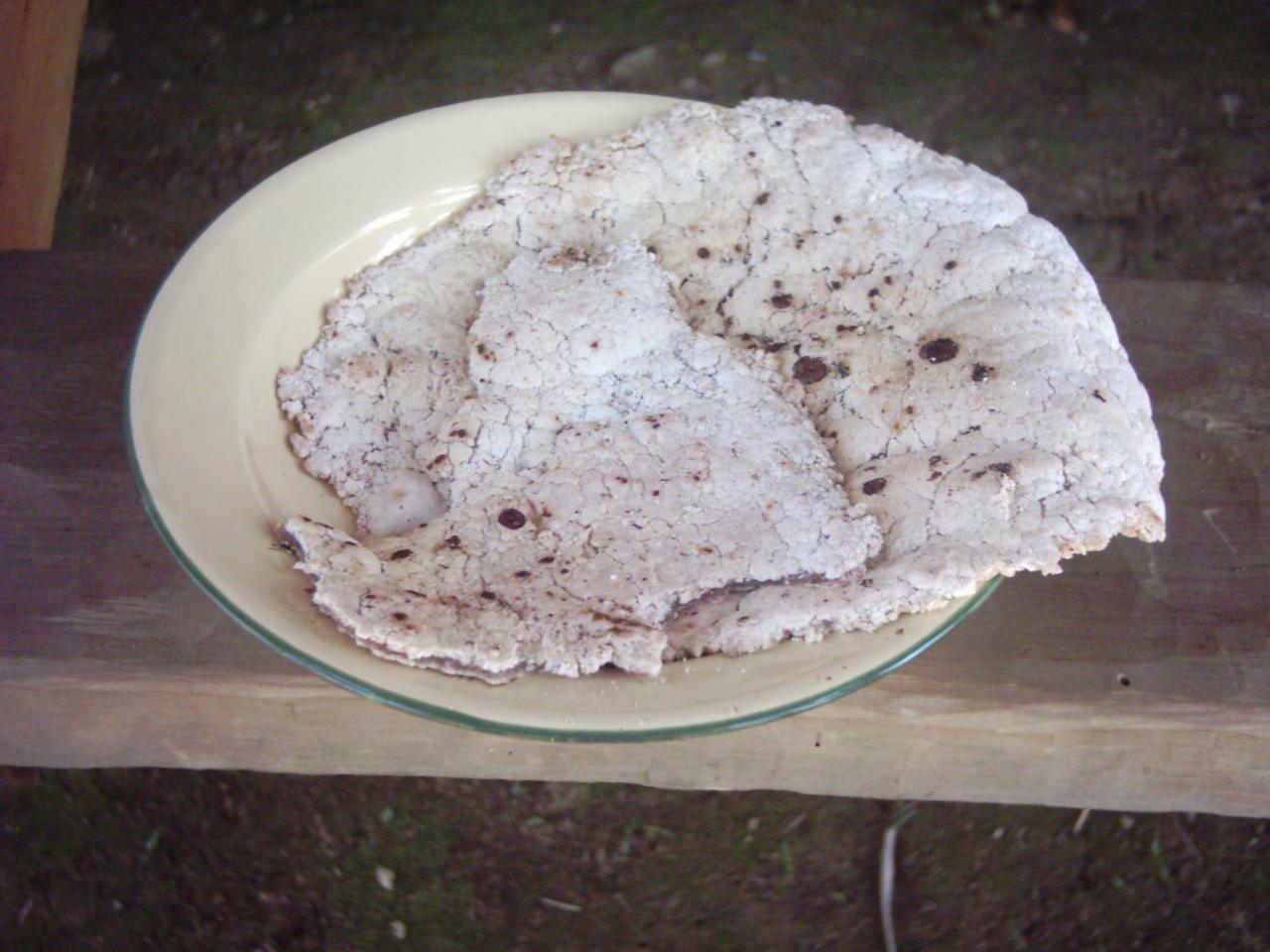
Sago: local starch used in various dishes
Tropical fruits: enjoy fresh papaya and bananas
Rabaul Coffee: local coffee worth trying
Lokale tradities - Rabaul

Lokale tradities

Kokoda Day: commemorating local history and culture
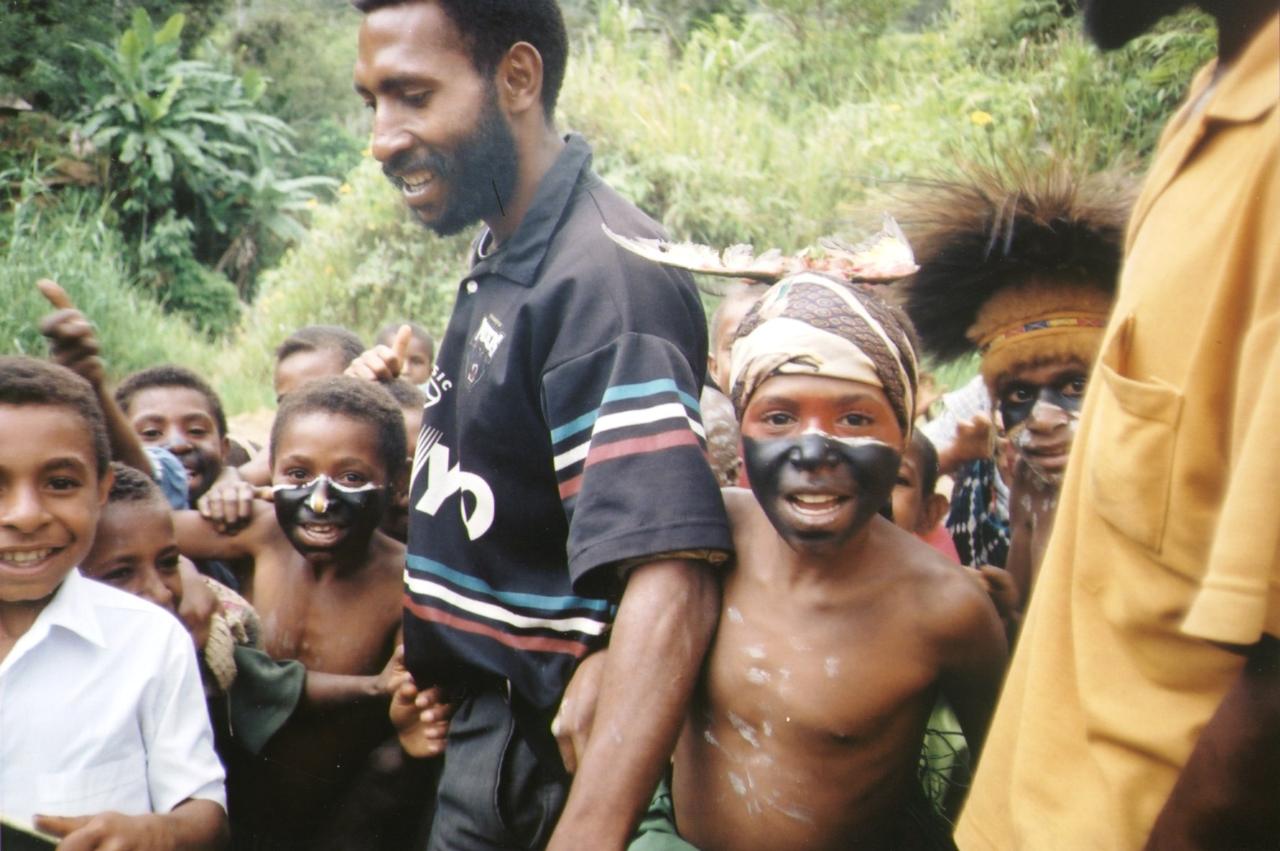
Sing-Sing Festivals: vibrant displays of traditional dance and music
Mumu Feasts: communal meals celebrating special occasions
Cultural ceremonies: showcasing local customs and practices
Geschiedenis - Rabaul

Geschiedenis

Rabaul was established in the late 19th century as a German colonial settlement, quickly becoming a key port and administrative center. Its strategic location made it a focal point during World War II, leading to significant military activity and eventual destruction from volcanic eruptions.

The town was largely rebuilt after the war, but the 1994 eruptions of Tavurvur and Vulcan reshaped the landscape and left a lasting impact on the community. Today, Rabaul stands as a testament to resilience, with remnants of its past visible throughout the area.

Dingen om te weten

Be cautious of volcanic activity: stay informed
Transport can be limited: plan ahead for travel
Safety can vary: be aware of your surroundings
Avoid tourist traps: seek local recommendations

Do's en don'ts

Engage with locals: learn about their culture
Respect local customs: be mindful of traditions
Try local dishes: experience authentic flavors
Explore the natural beauty: take in the stunning landscapes
Don't ignore safety warnings: stay updated on volcanic activity
Don't rush your visit: take time to explore
Don't take photos without permission: respect privacy
Don't miss local events: they offer unique insights

Foto: Wikipedia / Wikimedia Commons