 Papua New Guinea
Introduction
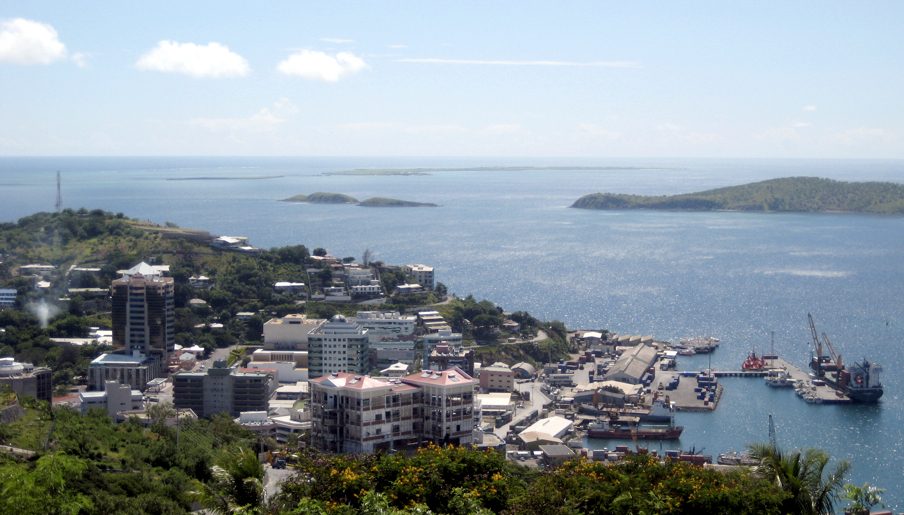
Papua New Guinea is a vibrant tapestry of cultures and landscapes, offering travelers a unique experience. With over 800 languages spoken and diverse indigenous communities, the country is rich in traditions and customs, making it a fascinating destination for cultural exploration.
The stunning natural beauty ranges from lush rainforests to pristine beaches, providing ample opportunities for adventure. However, infrastructure can be challenging, and travelers should be prepared for varying levels of comfort and accessibility in remote areas.
À l'honneur
 Ville
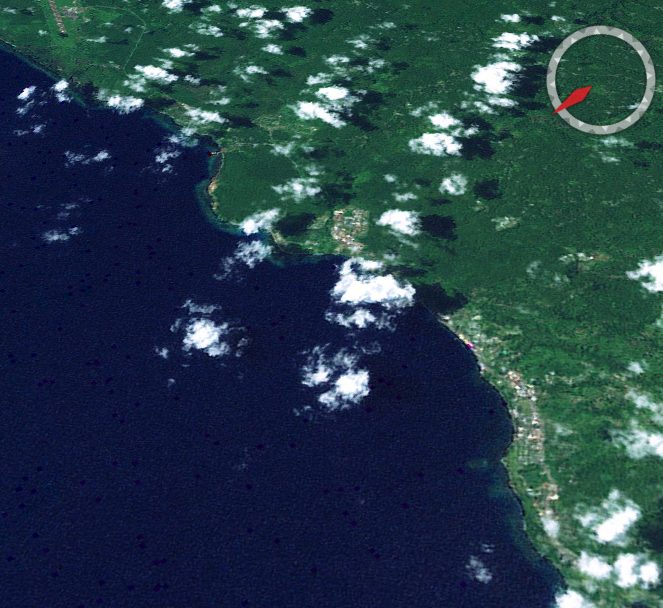
Kokopo
Kokopo, the capital of East New Britain Province in Papua New Guinea, offers a unique blen
Ville
Kokopo
Kokopo, the capital of East New Britain Province in Papua New Guinea, offers a unique blen
 Ville
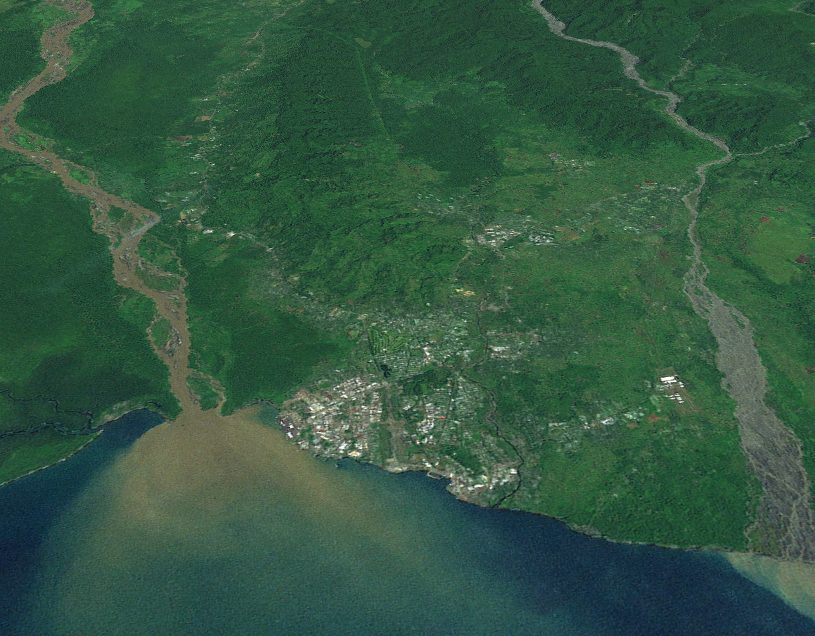
Lae
Lae, the second-largest city in Papua New Guinea, offers a unique blend of urban life and
Ville
Lae
Lae, the second-largest city in Papua New Guinea, offers a unique blend of urban life and
 Ville
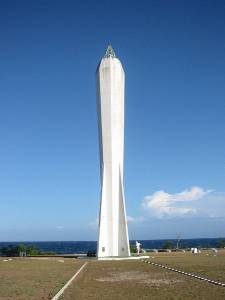
Madang
Madang is a vibrant coastal city in Papua New Guinea, known for its stunning natural beaut
Ville
Madang
Madang is a vibrant coastal city in Papua New Guinea, known for its stunning natural beaut
 Ville
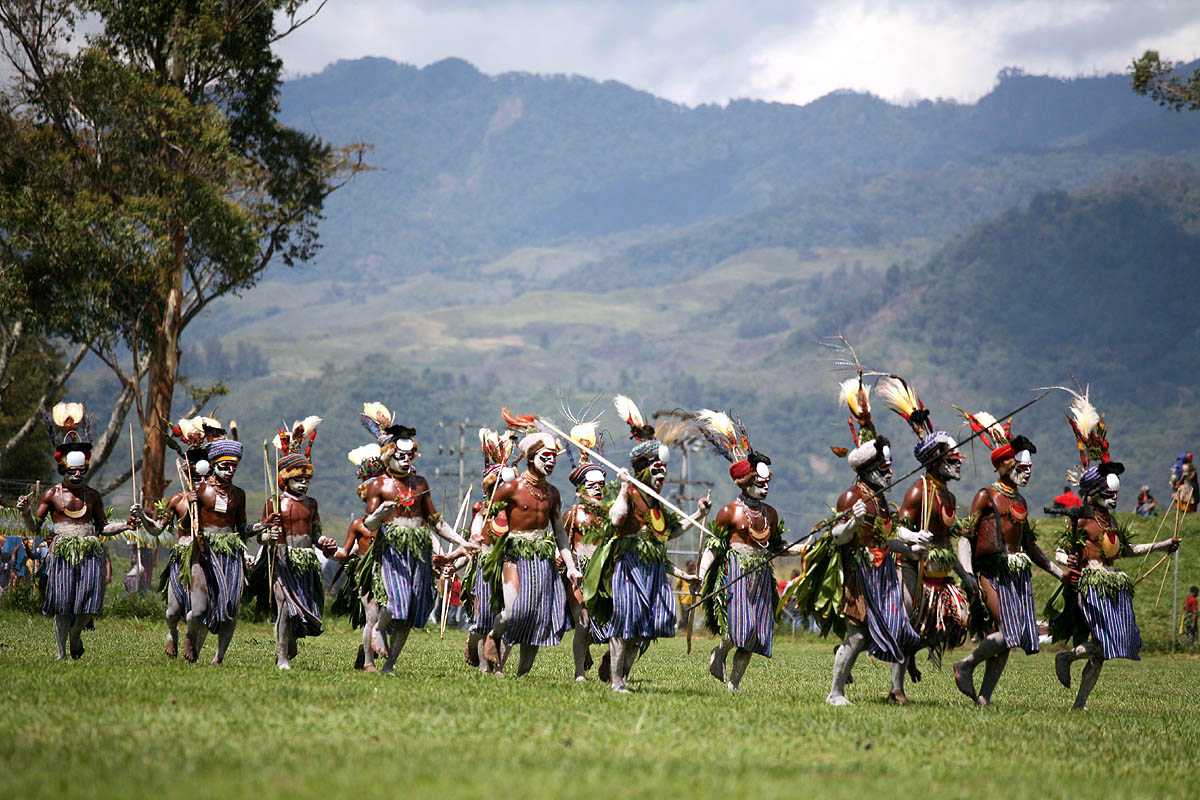
Mount Hagen
Mount Hagen is a vibrant city nestled in the highlands of Papua New Guinea, known for its
Ville
Mount Hagen
Mount Hagen is a vibrant city nestled in the highlands of Papua New Guinea, known for its
 Ville
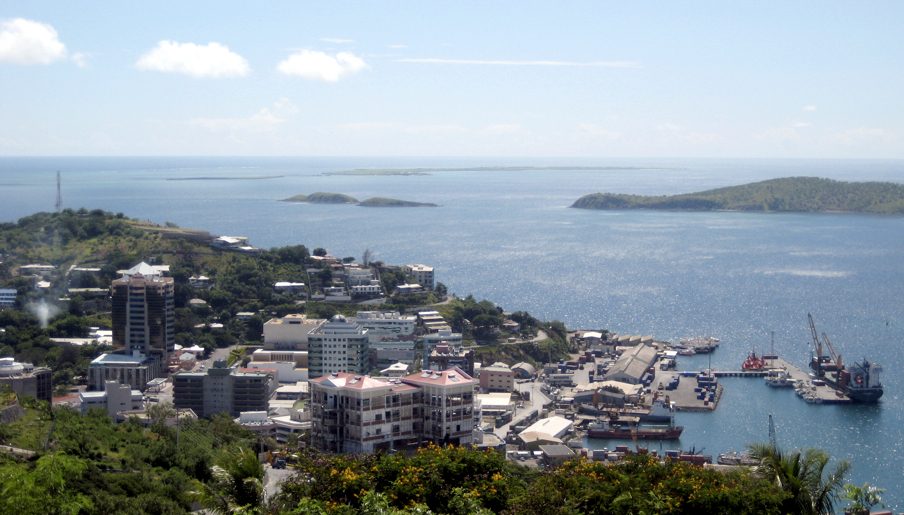
Port Moresby
Port Moresby, the capital of Papua New Guinea, is a vibrant city that blends modernity wit
Ville
Port Moresby
Port Moresby, the capital of Papua New Guinea, is a vibrant city that blends modernity wit
 Ville
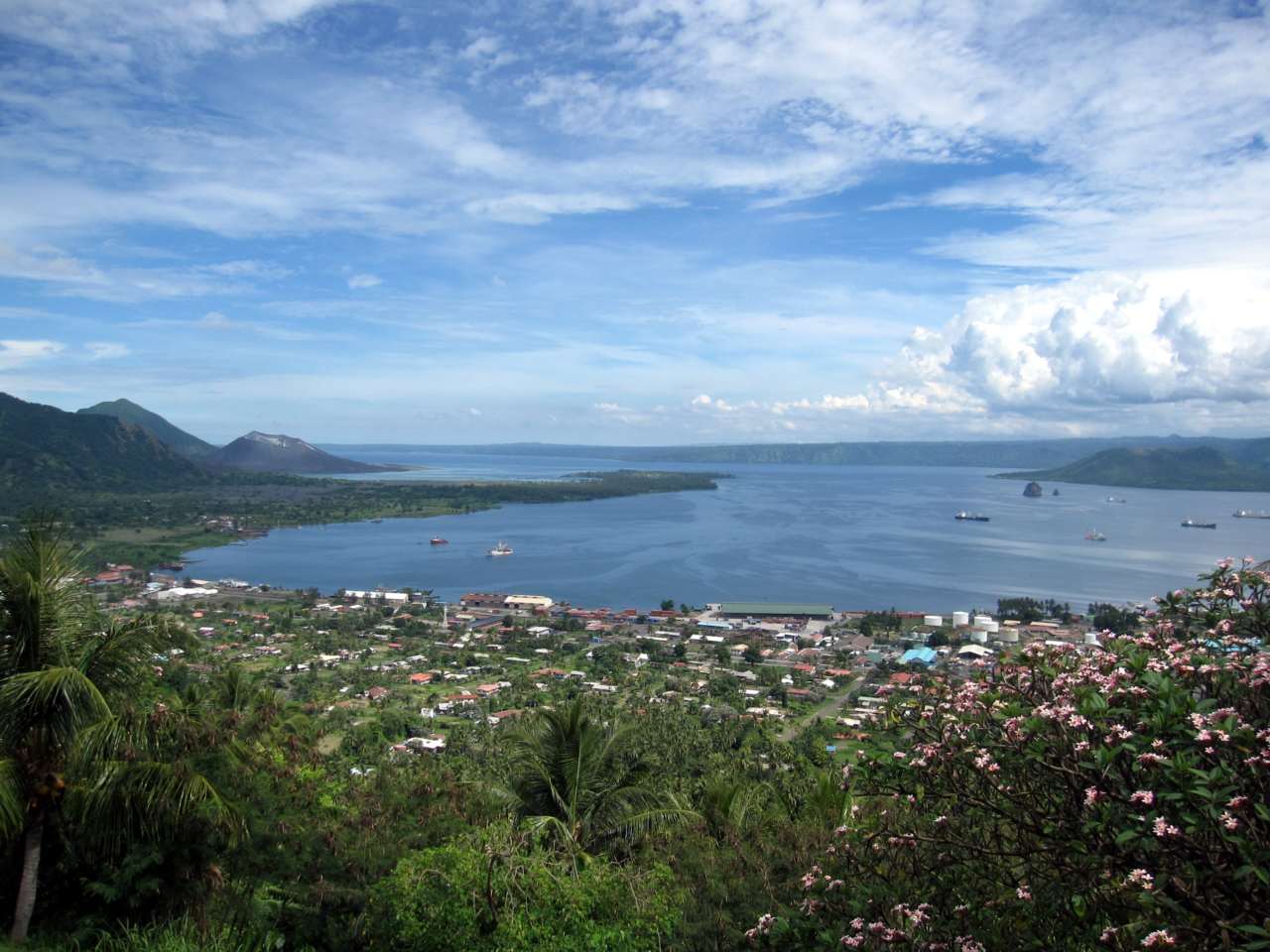
Rabaul
Rabaul is a unique blend of natural beauty and rich history, nestled in a stunning bay sur
Ville
Rabaul
Rabaul is a unique blend of natural beauty and rich history, nestled in a stunning bay sur
Sightseeing
Things to do
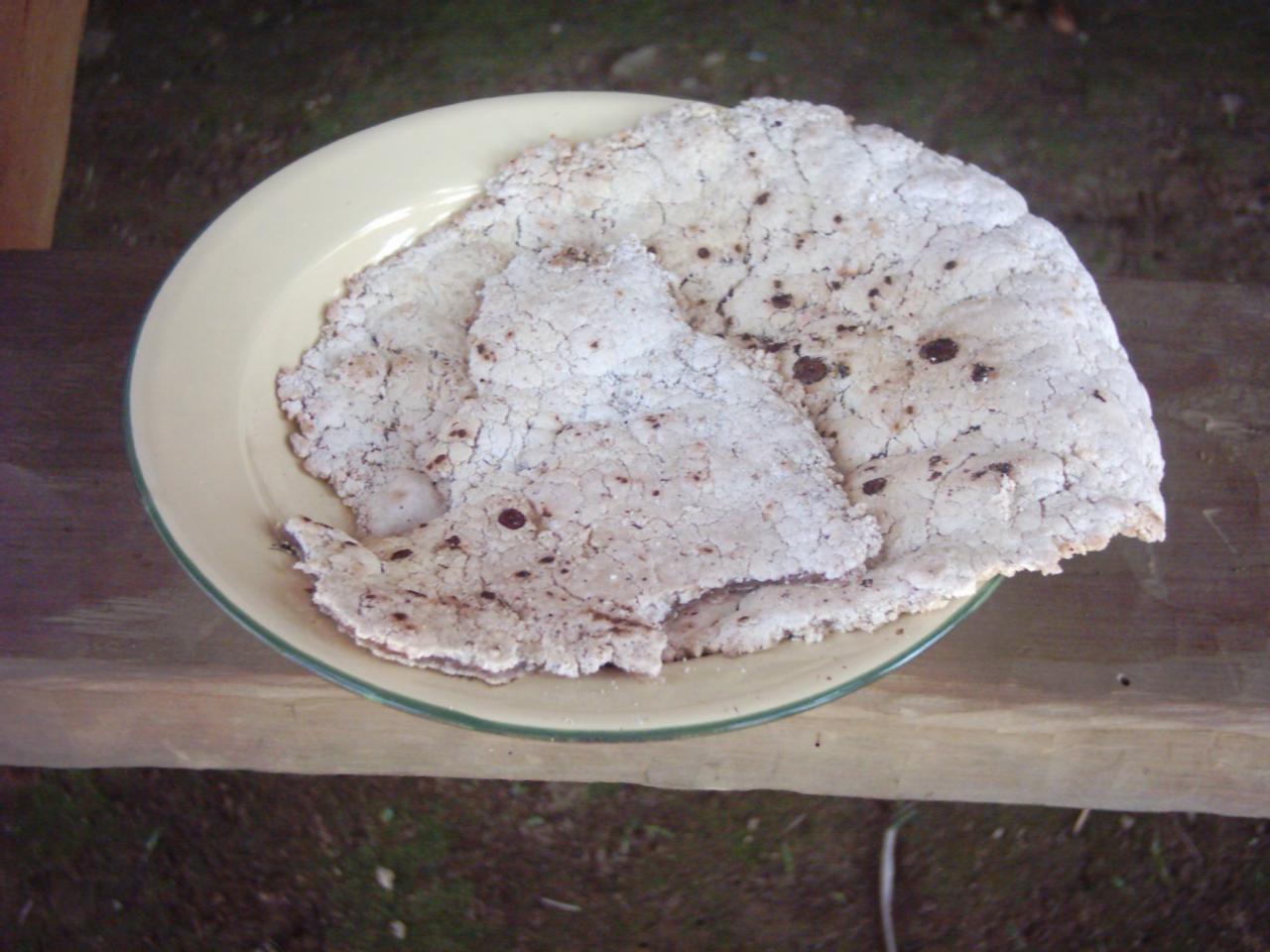
Cuisine et boissons locales
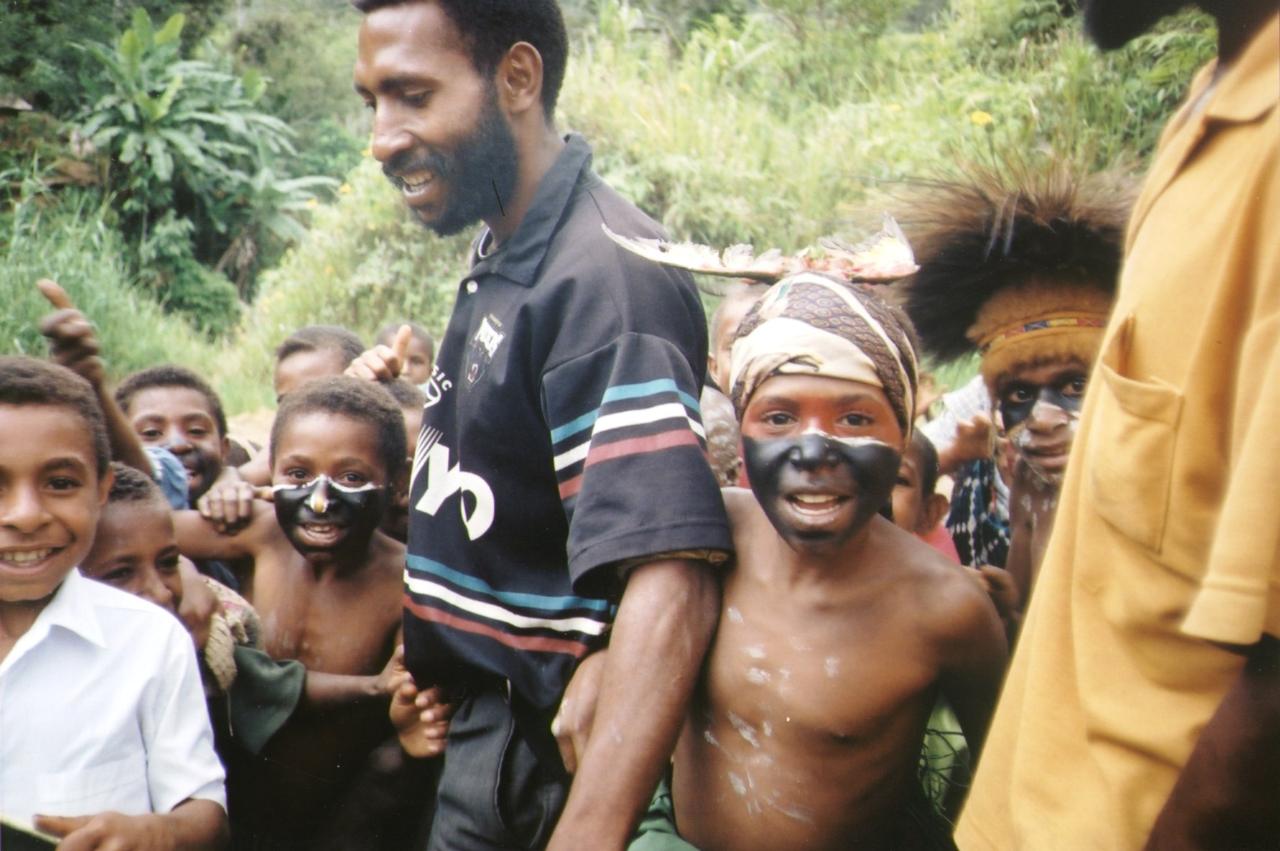
Traditions locales
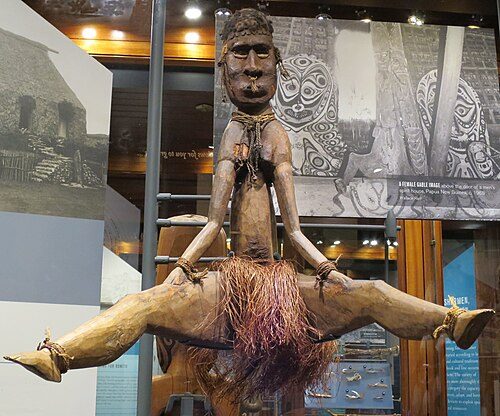
Histoire
Papua New Guinea's history is marked by its rich indigenous cultures, with evidence of human habitation dating back over 40,000 years. European contact began in the 16th century, leading to colonization by various powers, including Germany and Britain, which significantly impacted local societies.
In 1975, Papua New Guinea gained independence from Australia, but challenges remain, including political instability and economic development. The country continues to navigate its diverse cultural heritage while striving for progress in a globalized world.
Basic information
Travel information
International flights arrive at Port Moresby, with limited connections Domestic flights are essential for reaching remote areas Road conditions vary; 4WD vehicles are recommended for rural travel Cash is preferred; ATMs are limited outside major cities Mobile connectivity is improving, but coverage can be spotty
À savoir
À faire et à éviter
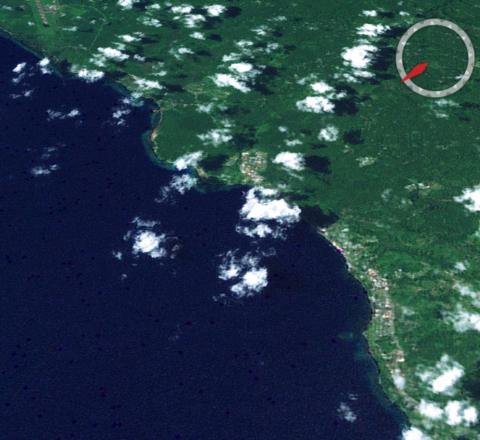
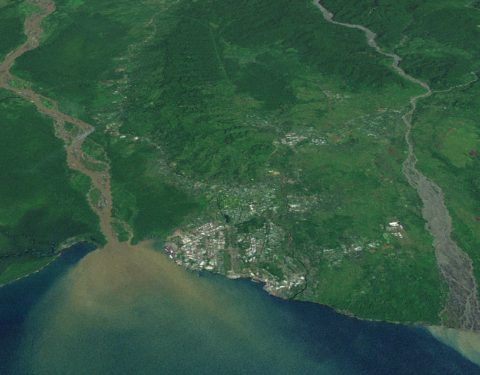
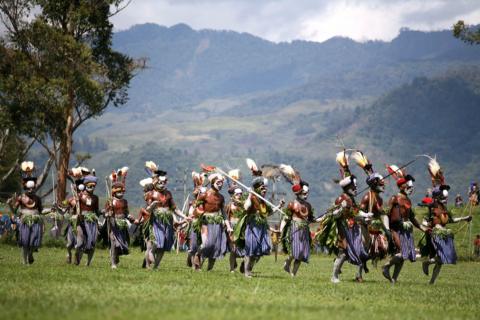
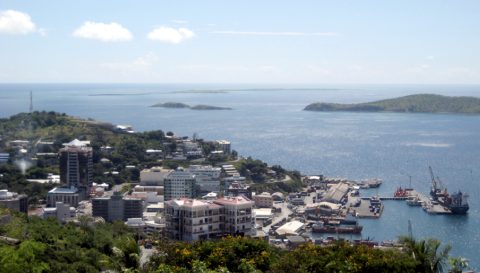
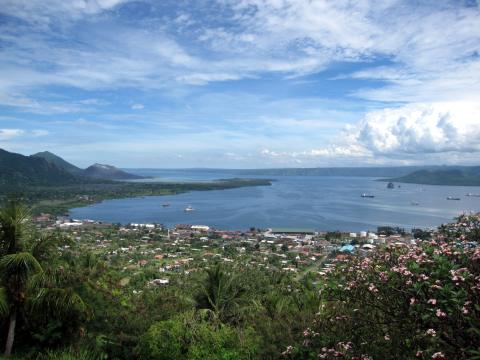
Photo: Wikipedia / Wikimedia Commons