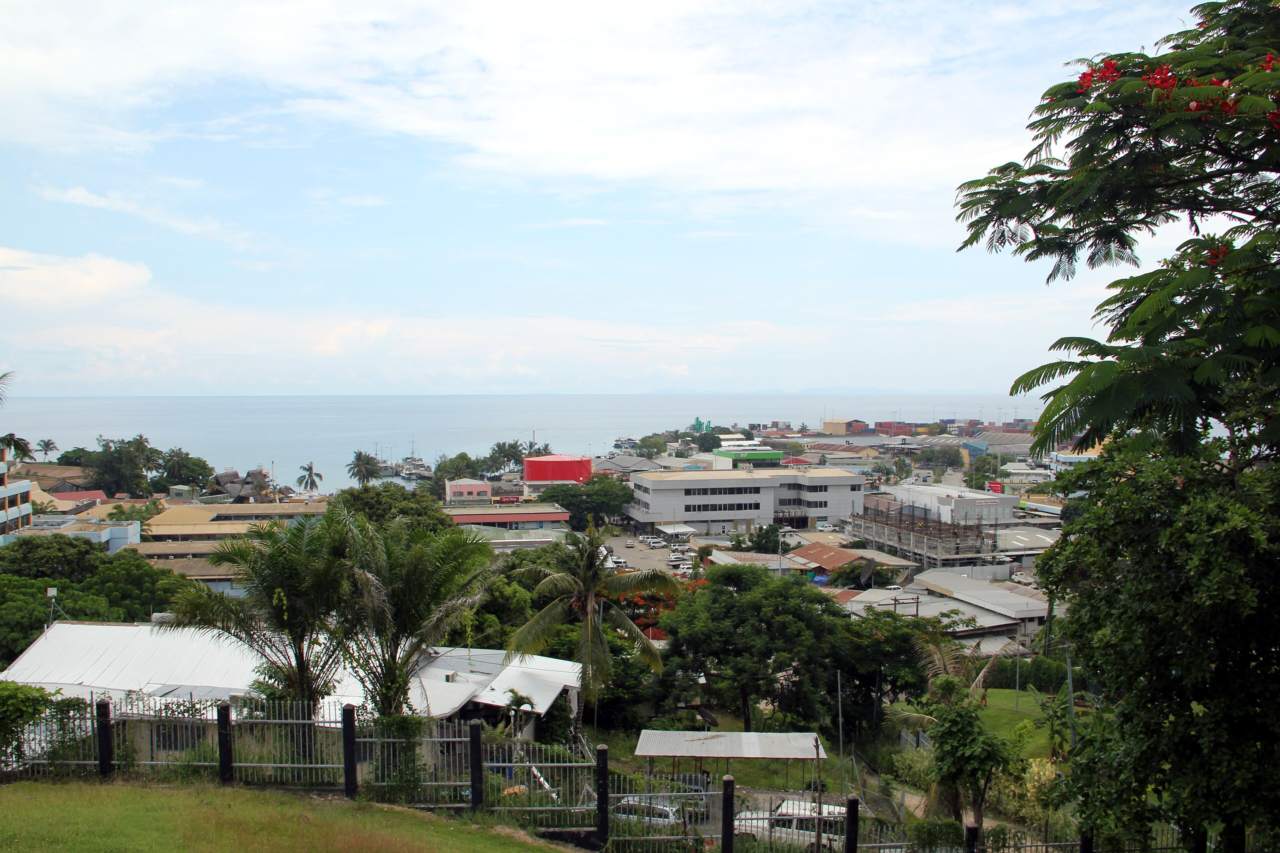
 Solomon Islands
Introduction
The Solomon Islands offer a unique blend of natural beauty and rich cultural heritage. With over 900 islands, travelers can explore lush rainforests, pristine beaches, and vibrant coral reefs. The laid-back atmosphere is perfect for those looking to escape the hustle and bustle of modern life.
However, infrastructure can be limited, and some areas may be challenging to access. It's essential to plan ahead and be prepared for a slower pace of travel, as services may not always be reliable.
En imágenes
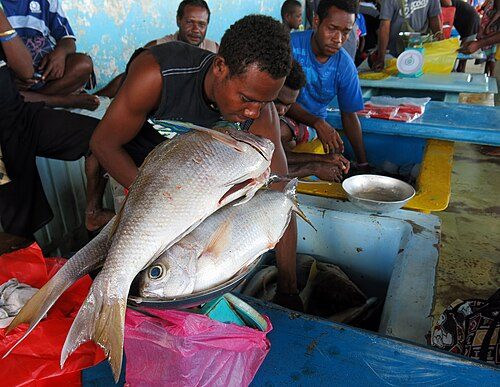
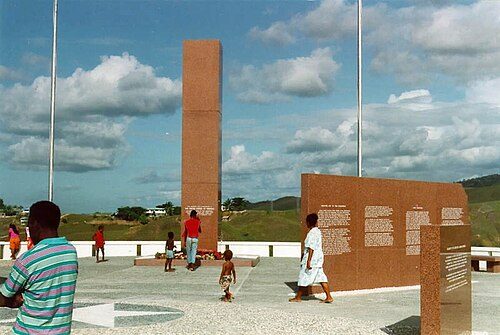
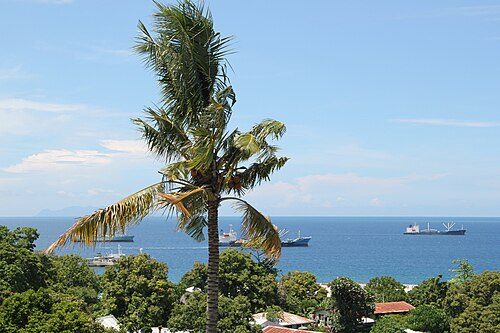

En el punto de mira
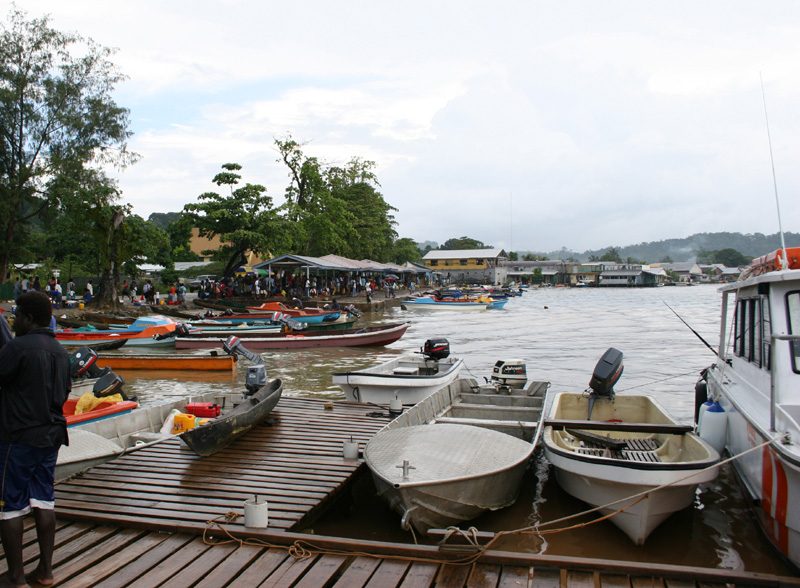 Ciudad
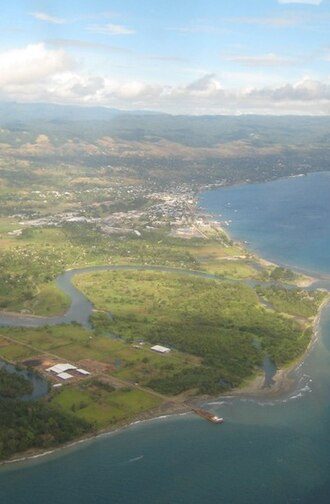
Gizo
Gizo is a charming town in the Solomon Islands, known for its laid-back atmosphere and stu
Ciudad
Gizo
Gizo is a charming town in the Solomon Islands, known for its laid-back atmosphere and stu
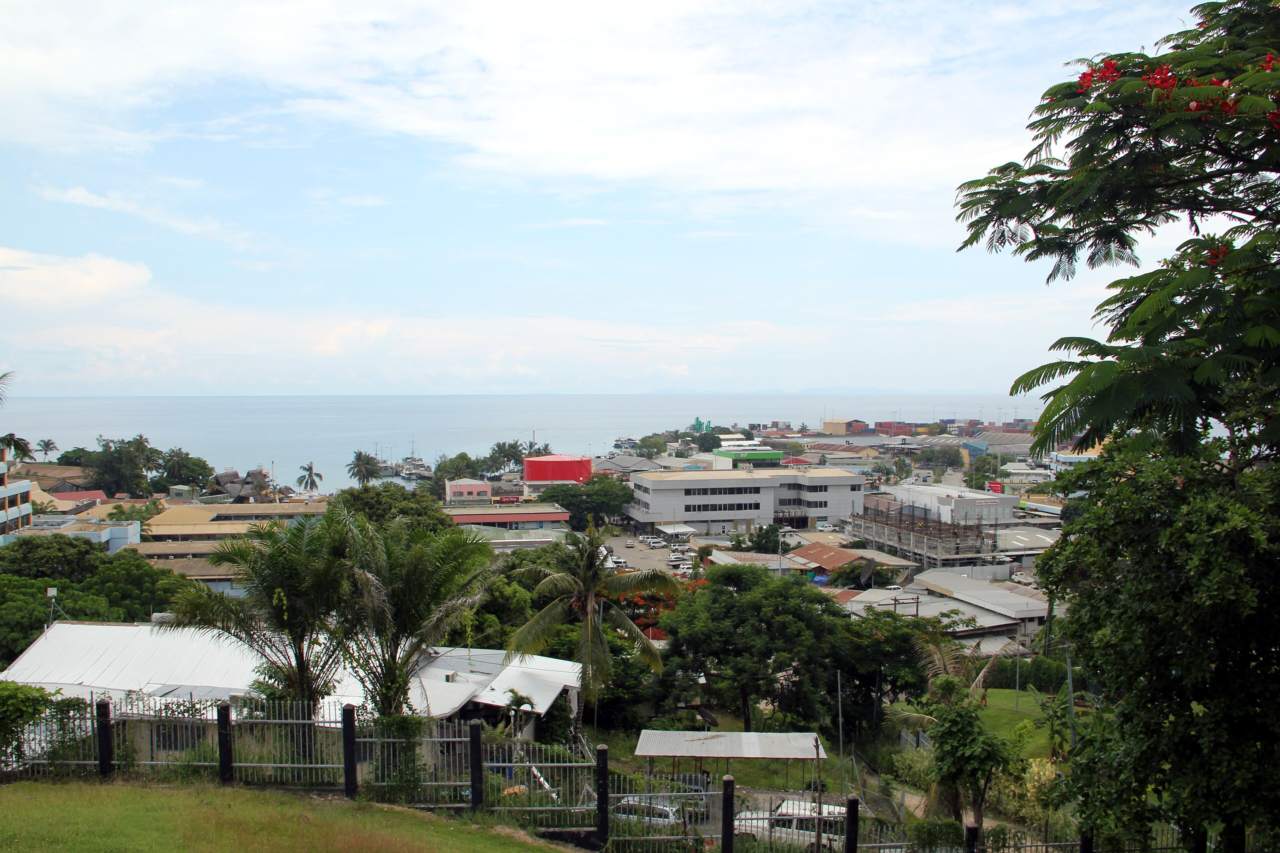 Ciudad
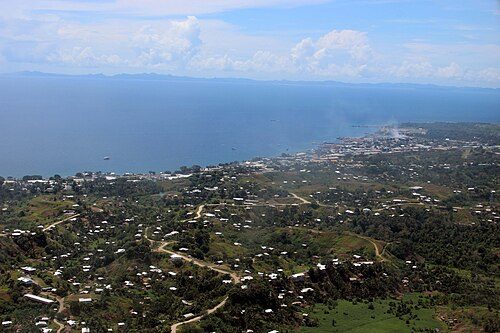
Honiara
Honiara, the capital of the Solomon Islands, offers a unique blend of urban life and natur
Ciudad
Honiara
Honiara, the capital of the Solomon Islands, offers a unique blend of urban life and natur
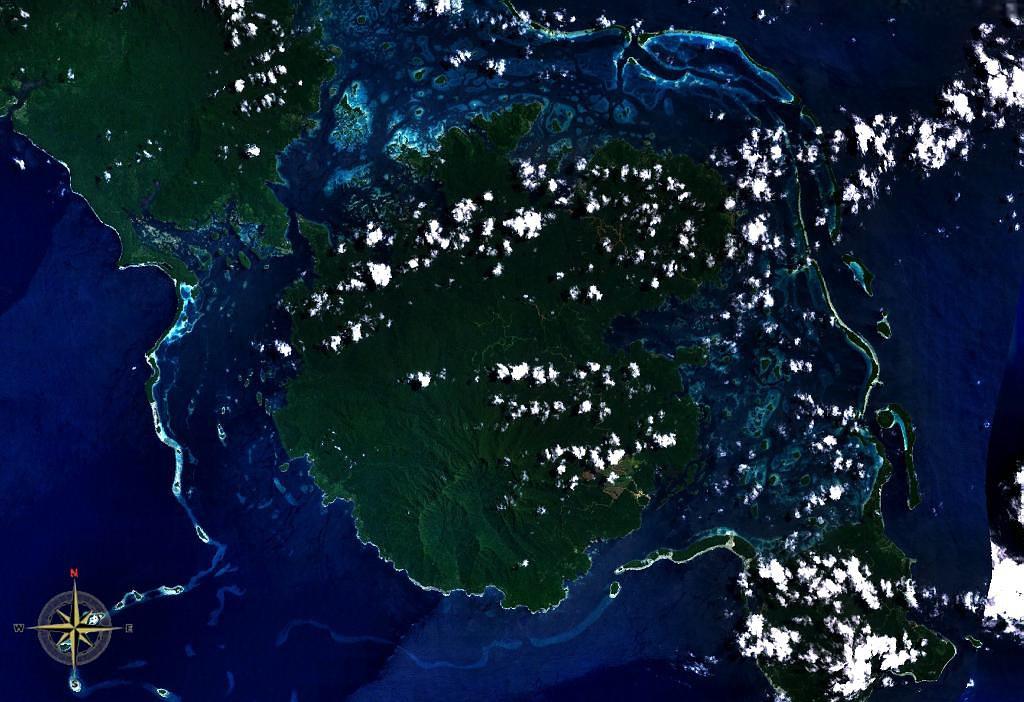 Ciudad
Marovo Lagoon
Marovo Lagoon is a stunning natural wonder in the Solomon Islands, known for its crystal-c
Ciudad
Marovo Lagoon
Marovo Lagoon is a stunning natural wonder in the Solomon Islands, known for its crystal-c
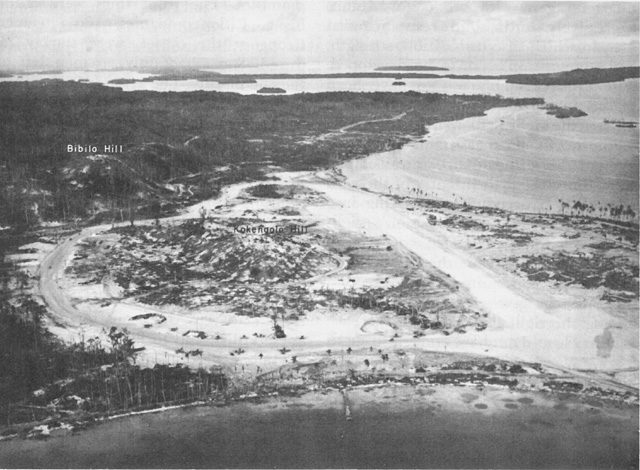 Ciudad
Munda
Munda is a serene coastal town in the Solomon Islands, known for its stunning natural beau
Ciudad
Munda
Munda is a serene coastal town in the Solomon Islands, known for its stunning natural beau
 Ciudad
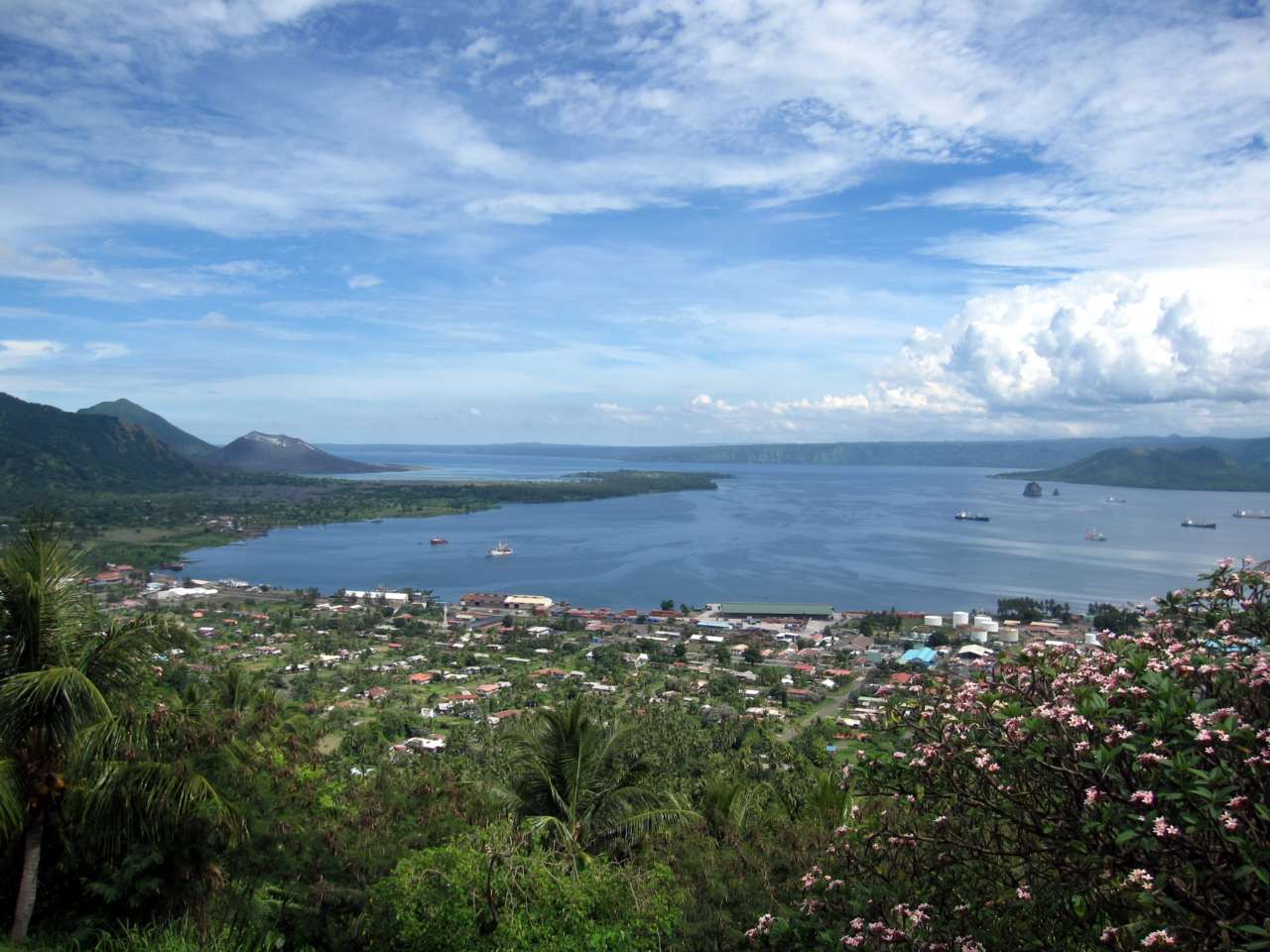
Rabaul
Rabaul, located on the eastern tip of New Britain in Papua New Guinea, is a city steeped i
Ciudad
Rabaul
Rabaul, located on the eastern tip of New Britain in Papua New Guinea, is a city steeped i
 Ciudad
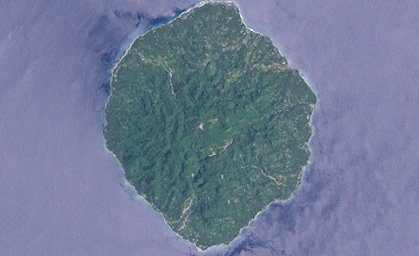
Santa Catalina Island
Santa Catalina Island offers a serene escape with its lush landscapes and crystal-clear wa
Ciudad
Santa Catalina Island
Santa Catalina Island offers a serene escape with its lush landscapes and crystal-clear wa
 Ciudad
Savo Island
Savo Island, a hidden gem in the Solomon Islands, offers visitors a unique blend of lush l
Ciudad
Savo Island
Savo Island, a hidden gem in the Solomon Islands, offers visitors a unique blend of lush l
 Ciudad
Tavanipupu Island
Tavanipupu Island is a serene escape in the Solomon Islands, known for its lush landscapes
Ciudad
Tavanipupu Island
Tavanipupu Island is a serene escape in the Solomon Islands, known for its lush landscapes
Sightseeing
Things to do
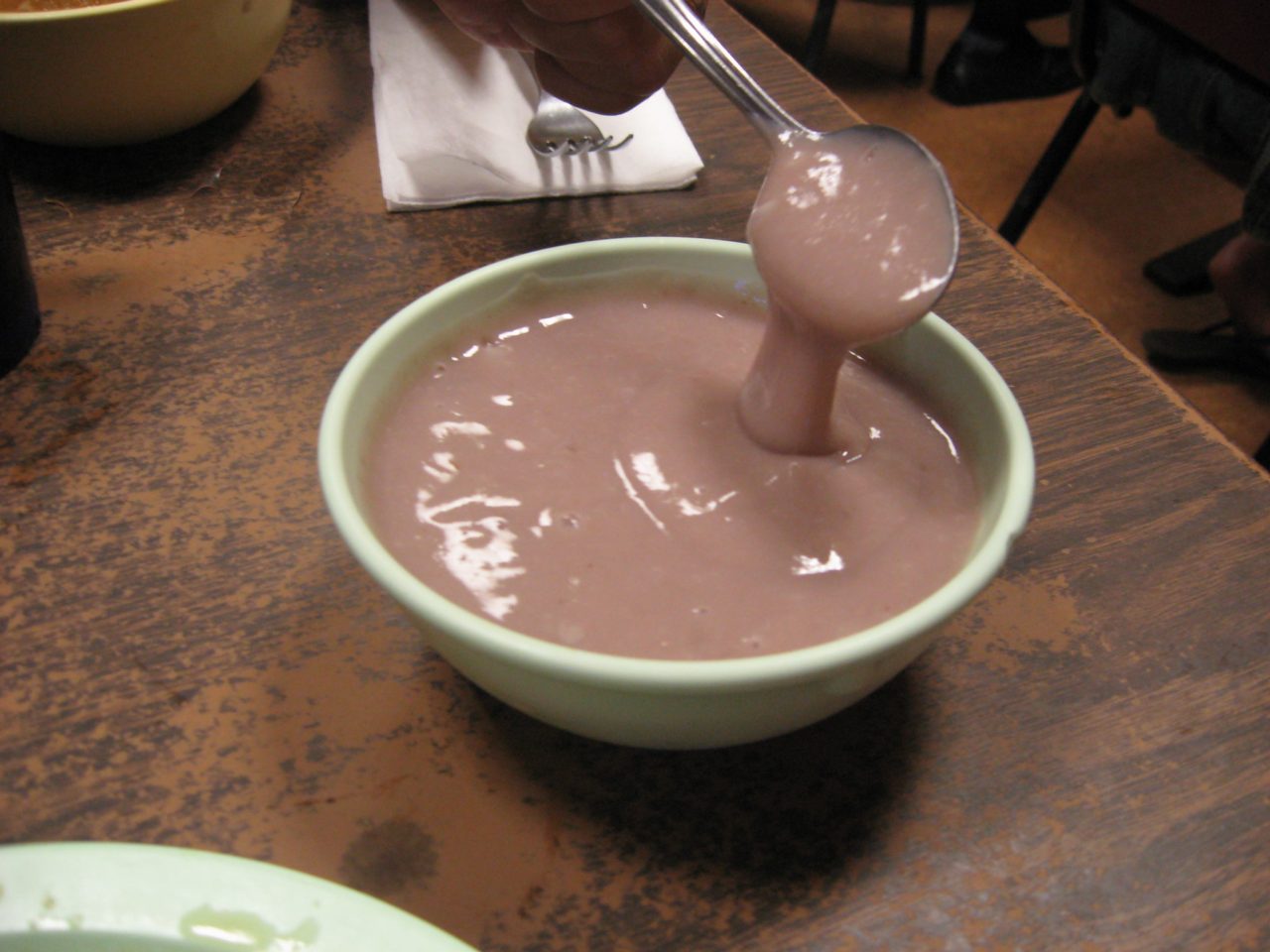
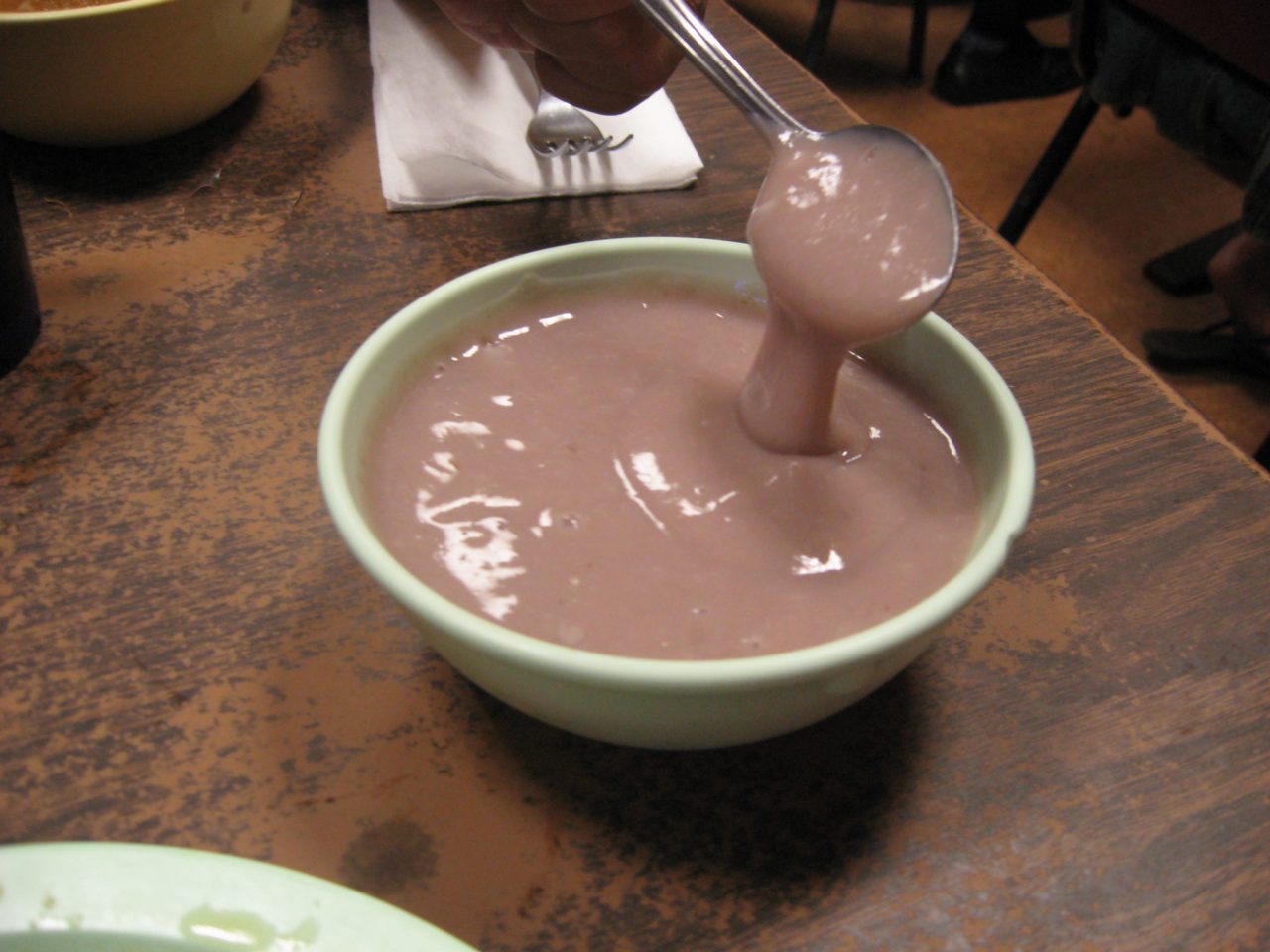
Comida y bebida local
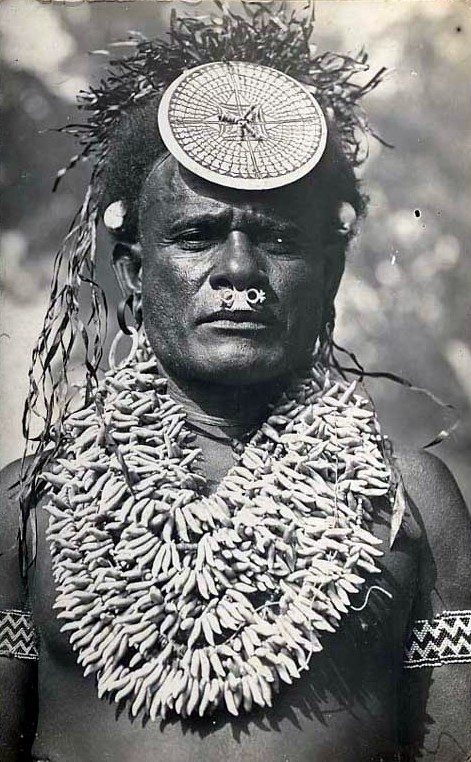
Tradiciones locales
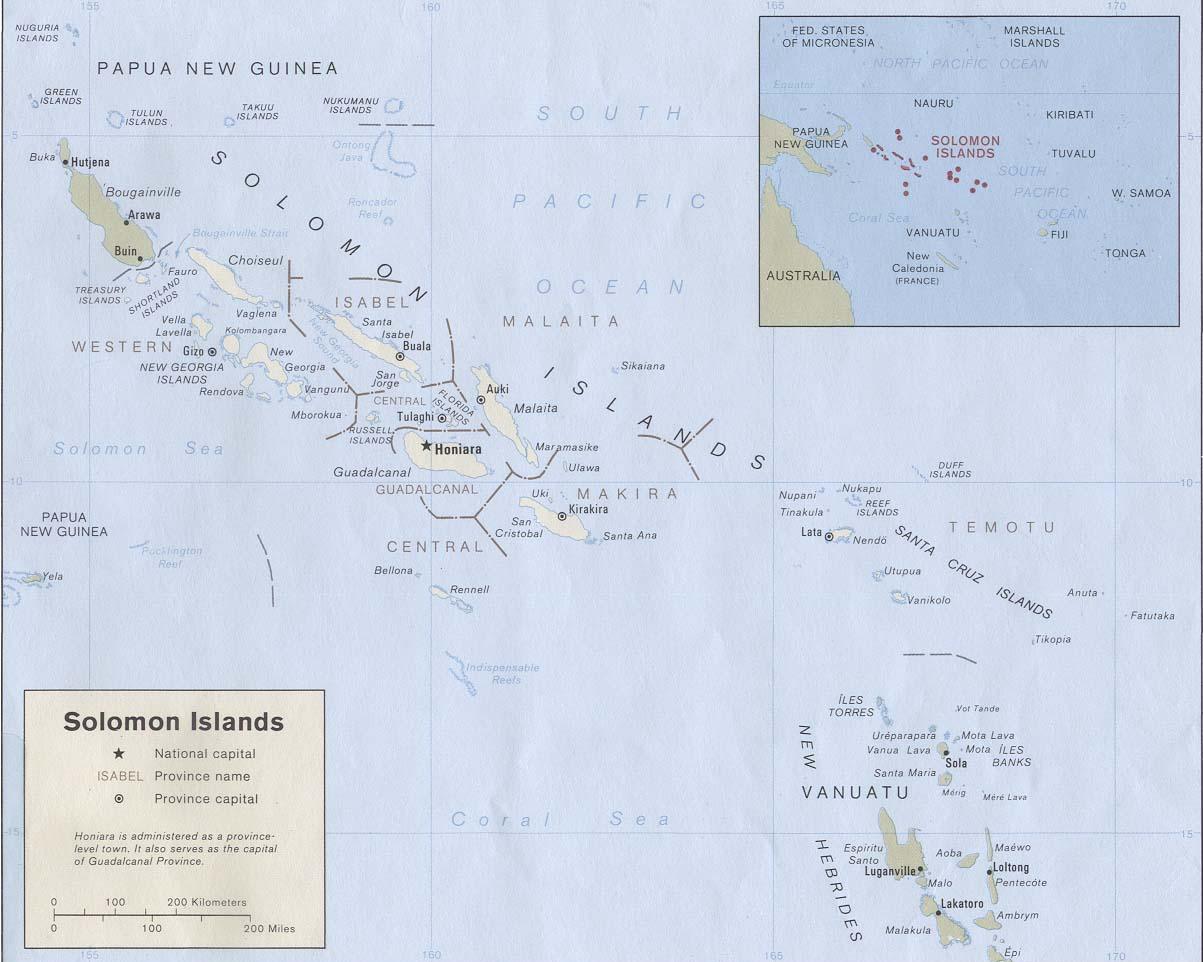
Historia
The Solomon Islands were first settled by Melanesian peoples over 3,000 years ago. European contact began in the 16th century, with explorers like Alvaro de Mendaña claiming the islands for Spain. The islands were later colonized by the British in the late 19th century, leading to significant cultural changes and the introduction of Christianity.
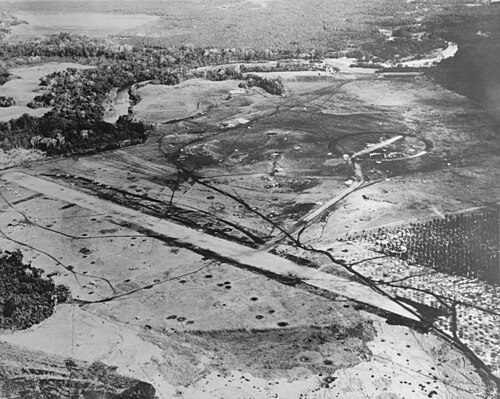
During World War II, the Solomon Islands were a battleground between Allied and Japanese forces, leaving a lasting impact on the region. The islands gained independence from Britain in 1978, but have faced political instability and ethnic tensions in the years since, shaping their modern identity.
Basic information
Travel information
Fly into Honiara International Airport for international access Use local ferries to travel between islands Road conditions can be poor, so plan accordingly Cash is preferred; ATMs may be limited Mobile connectivity varies; check local providers for coverage
Cosas que saber
Qué hacer y qué evitar
Ciudades
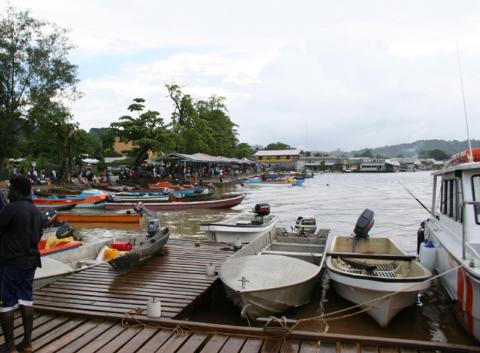
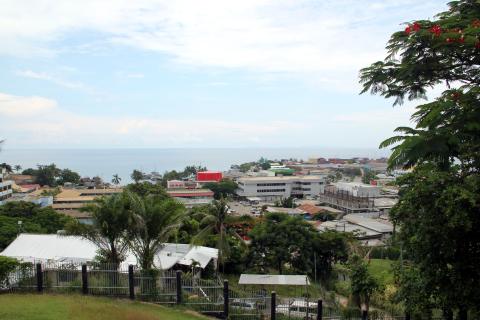
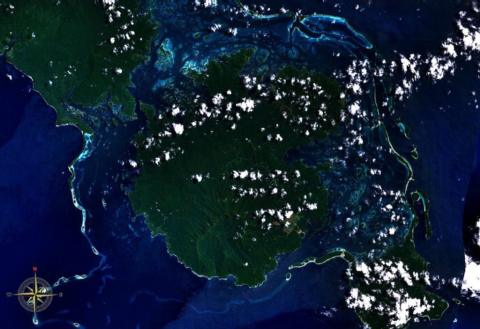
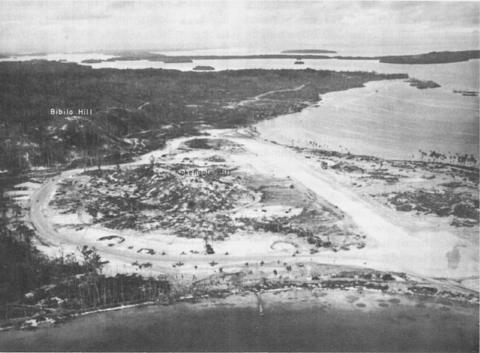
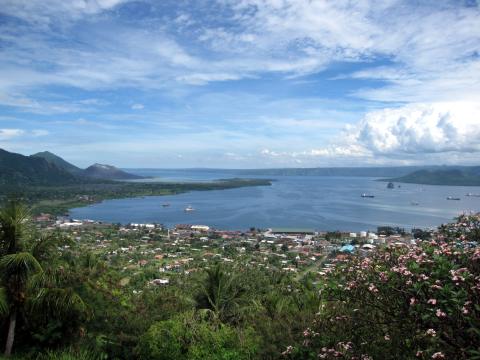
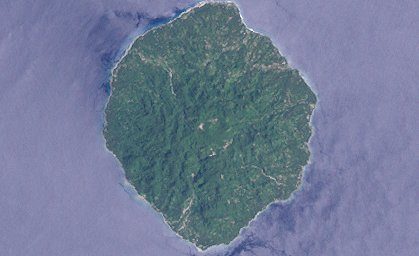
Foto: Wikipedia / Wikimedia Commons