search
search
add New trip
Reykjavík

Reykjavík

confirmation_numberExpensiveprice
ReykjavíkYour own route Plan a trip here →

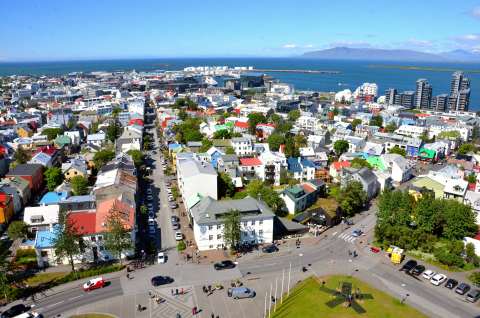
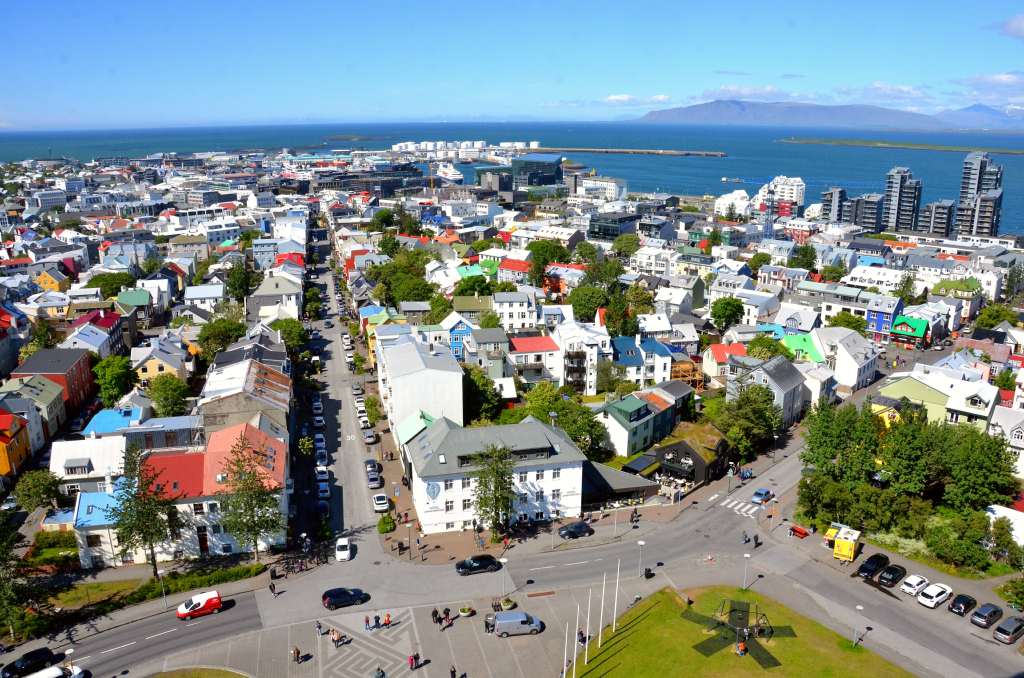
Reykjavík, the capital of Iceland, is a vibrant city that combines modernity with rich history. Its colorful buildings, lively streets, and stunning natural surroundings create a unique atmosphere that invites exploration. Visitors often find themselves captivated by the friendly locals and the city's artistic spirit.

Read more

The city is compact and walkable, making it easy to discover its many charms. From cozy cafes to bustling markets, Reykjavík offers a blend of urban life and nature, with the nearby mountains and coastline providing a stunning backdrop. However, be prepared for unpredictable weather and higher prices than you might expect.

Routes through here

Every route opens in the planner as your own copy: change any stop, any night.

Sightseeing

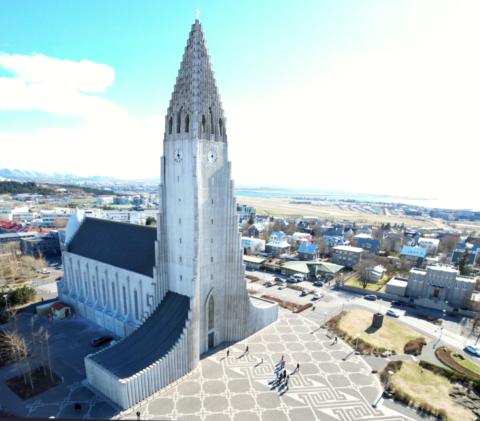
Hallgrímskirkja: iconic church with panoramic views
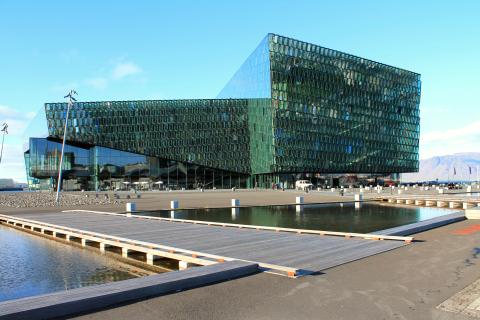
Harpa Concert Hall: stunning architectural gem by the waterfront
Tjörnin: picturesque pond popular for birdwatching
National Museum of Iceland: rich history of Icelandic culture
Sun Voyager: striking sculpture symbolizing exploration
Perlan: unique building with a viewing platform and exhibitions
Reykjavík Art Museum: contemporary art across three locations
Old Harbour: charming area with shops and restaurants

"A city of vibrant culture and nature"Reykjavík

Things to do

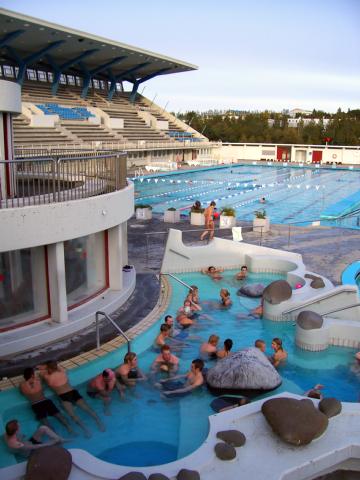
Visit a geothermal pool: relax in warm waters
Explore local art galleries: discover Icelandic creativity
Attend a live music event: vibrant music scene
Take a walking tour: learn about the city's history
Join a whale watching tour: experience marine life up close
Local food and drinks - Reykjavík

Local food and drinks

Þorramatur: traditional Icelandic platter of cured meats
Skyr: creamy yogurt-like dairy product, a local favorite
Brennivín: Icelandic schnapps, often called 'Black Death'
Fish and chips: popular dish, often served fresh
Kaffivagninn: cozy café known for its local dishes
Local traditions - Reykjavík

Local traditions

Þorrablót: midwinter festival celebrating traditional foods
Reykjavík Culture Night: city-wide celebration of arts and culture
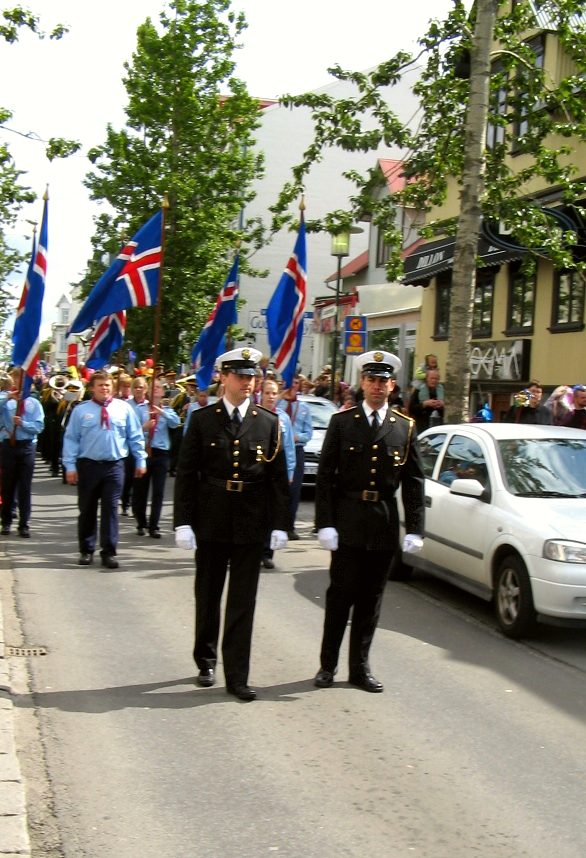
Icelandic National Day: festivities on June 17th
Christmas celebrations: unique local customs and traditions

Do's and don'ts

Explore the local art scene
Try traditional Icelandic dishes
Visit the city's geothermal pools
Engage with locals and learn about their culture
Don't underestimate the weather; be prepared
Don't miss out on local music events
Don't rely solely on public transport
Don't ignore safety warnings in nature

Practical

At a glance

Founded
871 AD
Population
130.000
Accessibility
Many areas are accessible, but some have steep paths
Price level
Expensive

Things to know

Expect high prices for food and drinks, especially alcohol
Public transport is limited; walking is often best
Weather can change rapidly; dress in layers
Be cautious of tourist traps in popular areas
history_eduHistoryexpand_more

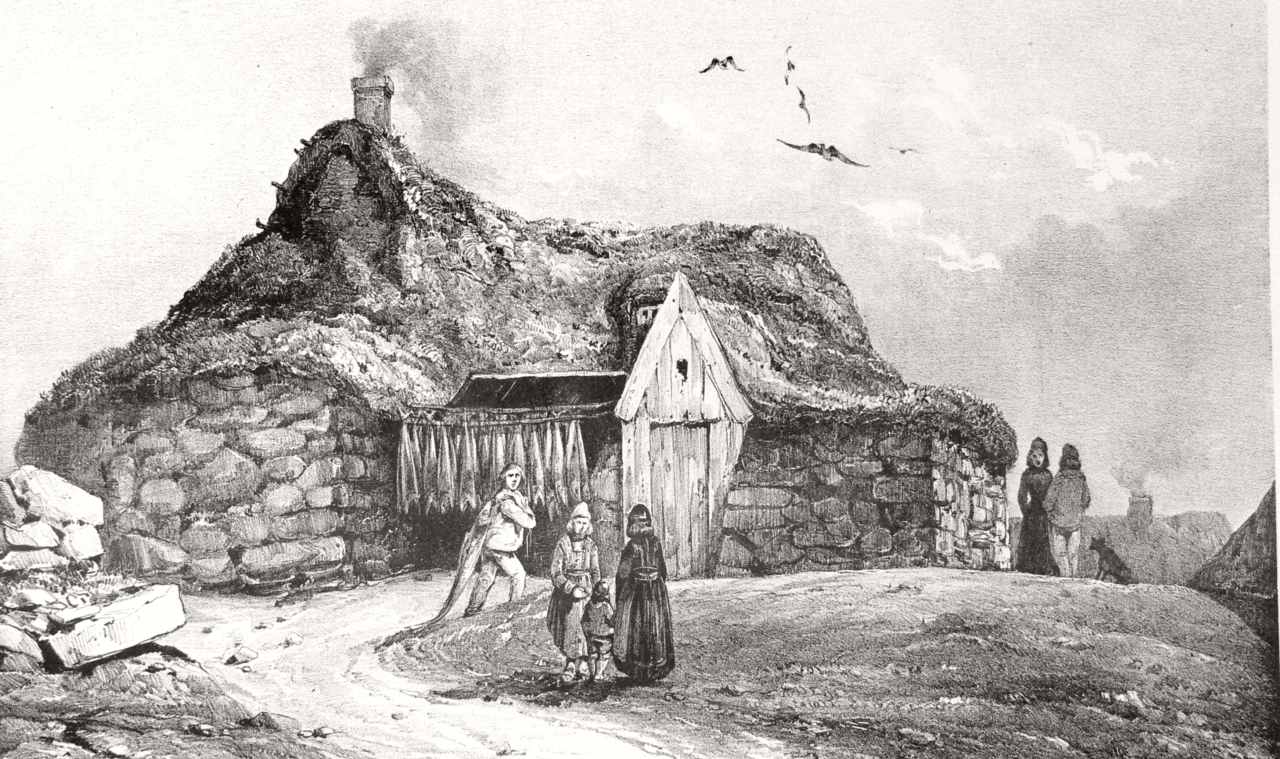
Reykjavík's history dates back to around 871 AD, when the first settlers arrived in Iceland. Legend has it that Ingólfur Arnarson, the first permanent settler, established his farm here after his seat pillars washed ashore. This marked the beginning of a settlement that would grow into the capital of Iceland.

The city began to develop in the 18th century, evolving from a small fishing village into a vibrant urban center. Today, Reykjavík is known for its rich cultural scene and historical significance, reflecting the resilience and creativity of its people.

Photo: Wikipedia / Wikimedia Commons