Limburg
 April to Octoberbest time
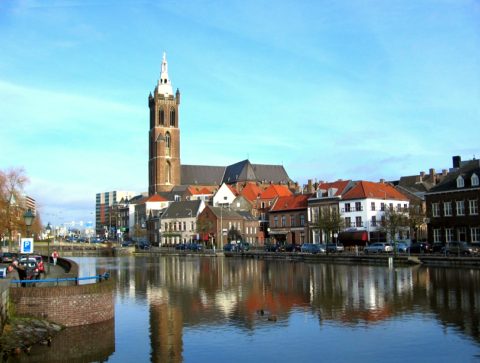
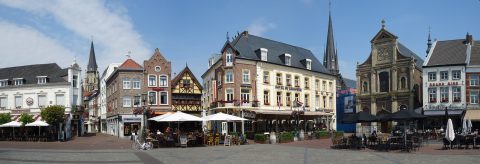
Limburg, located in the southeastern part of the Netherlands, is a region known for its rolling hills, charming villages, and rich cultural heritage. The landscape is unique compared to the rest of the Netherlands, offering a mix of nature and historical sites that attract outdoor enthusiasts and history buffs alike.
Read more
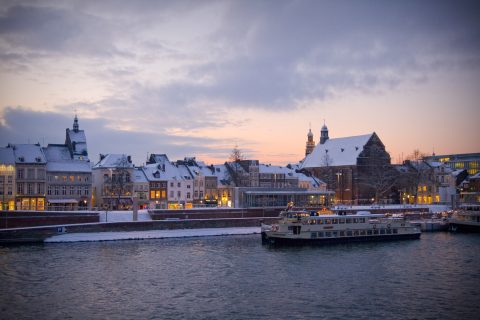
Visitors can explore picturesque towns like Maastricht, famous for its vibrant atmosphere and culinary scene. Limburg is also home to beautiful cycling routes, stunning castles, and a variety of local festivals that showcase its traditions and community spirit.
Sightseeing

Local food and drinks
Local traditions
Practical
At a glance
- Best time
- April to October
History
Limburg has a rich history influenced by various cultures and rulers, including the Romans and the Spanish. The region's strategic location made it a crossroads for trade and military routes, leading to a diverse cultural landscape that is still evident today.
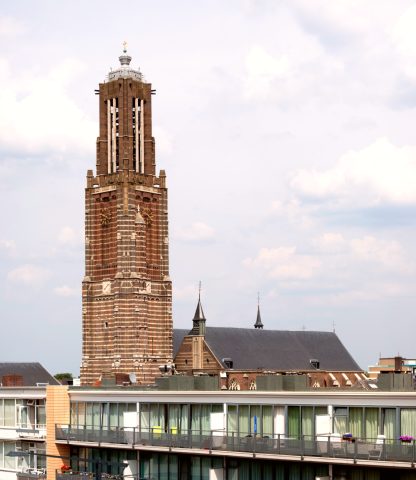
In the 19th century, Limburg became part of the Netherlands after the dissolution of the United Kingdom of the Netherlands. Its historical significance is reflected in its architecture, with many buildings dating back to medieval times, and in its ongoing traditions that celebrate its unique heritage.