kiomigo
search
search
add New trip
Porto

Porto

Population: 214.000 Since: Founded around 300 BC

Introduction

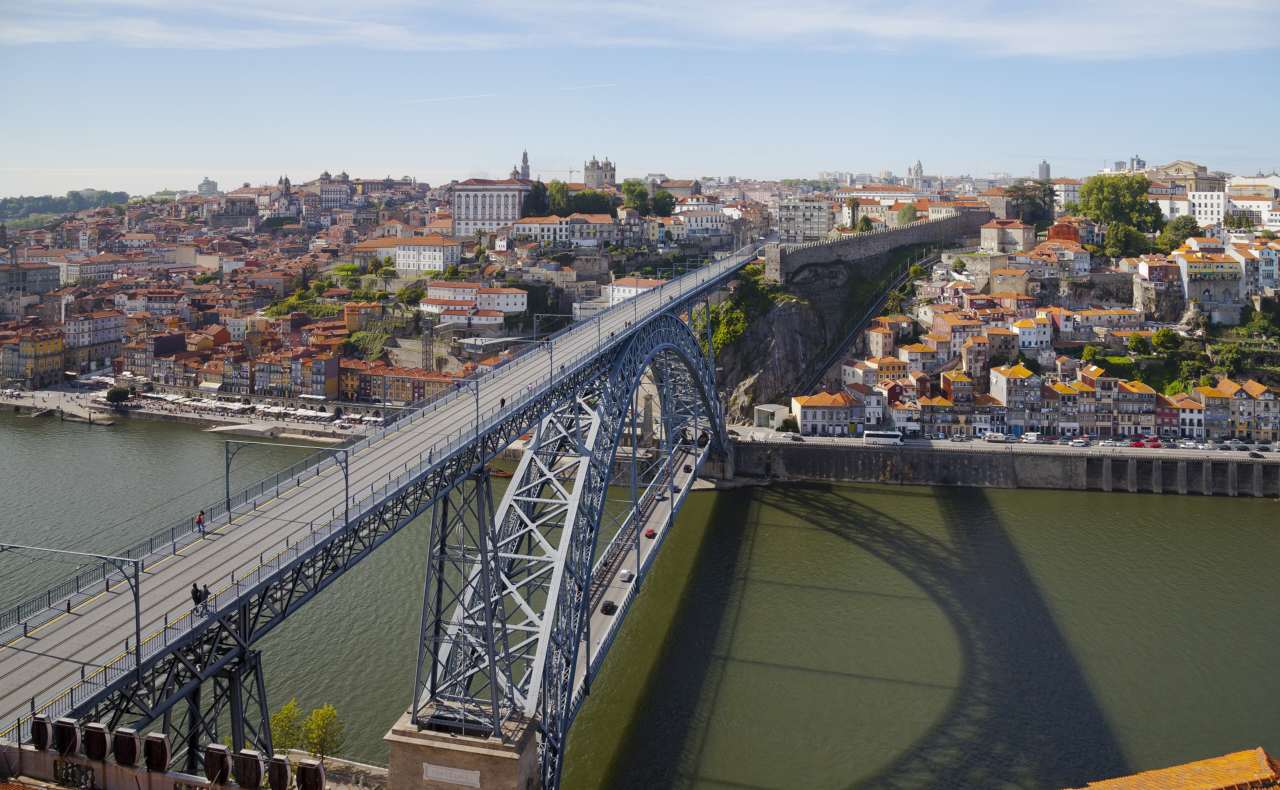
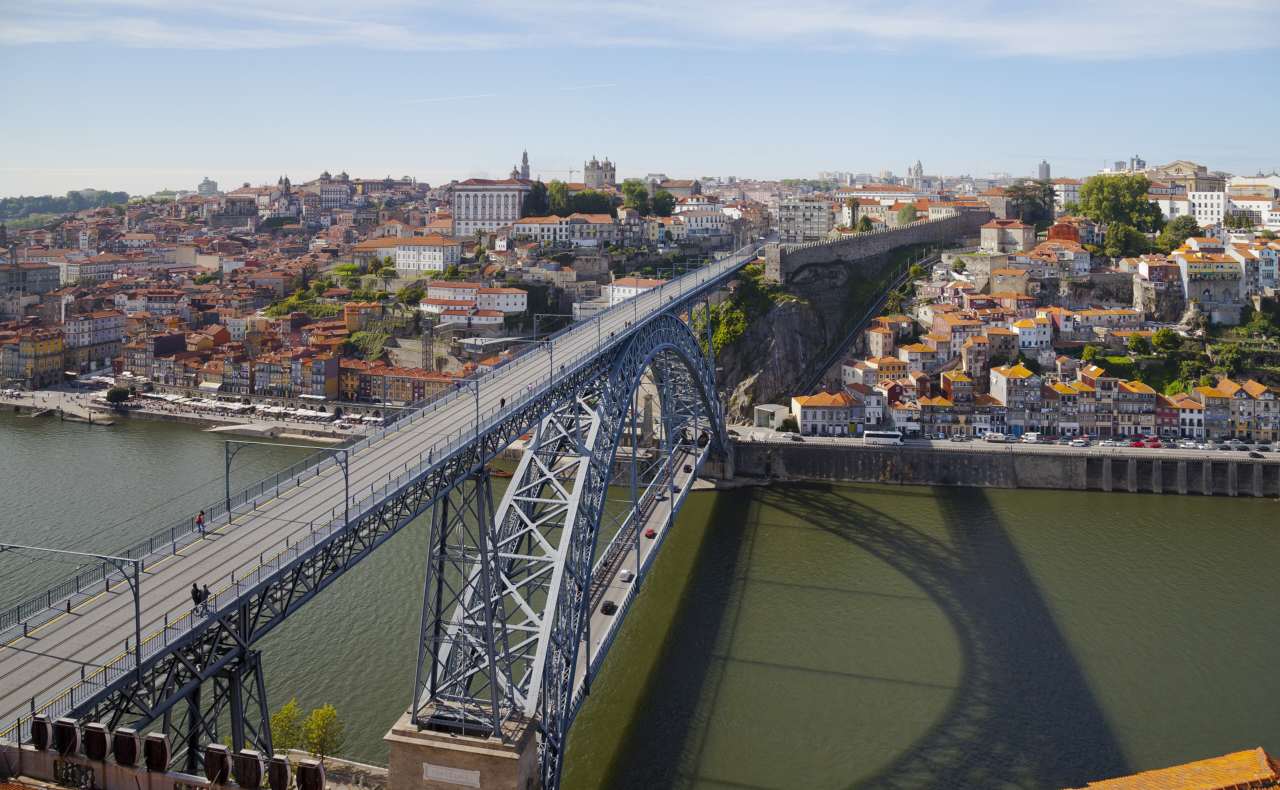
Porto, die zweitgrößte Stadt Portugals, ist eine faszinierende Mischung aus Geschichte, Kultur und atemberaubenden Landschaften. Besucher werden von der ikonischen Dom Luís I Brücke und dem malerischen Ribeira Viertel empfangen, wo bunte Gebäude den Douro Fluss säumen und eine postkartenähnliche Szene schaffen.

Das reiche Erbe der Stadt zeigt sich in ihrer historischen Architektur, von der prächtigen São Bento Bahnhof bis zur majestätischen Livraria Lello Buchhandlung. Die lebendige Atmosphäre Portos wird durch seine renommierten Weinkeller ergänzt, in denen der weltberühmte Portwein produziert wird, was es zu einem reizvollen Ziel für Reisende macht, die sowohl Entspannung als auch Erkundung suchen.

Sightseeing

Dom Luís I Brücke: eine ikonische zweigeschossige Eisenbrücke mit atemberaubenden Ausblicken
Ribeira Viertel: ein UNESCO-Weltkulturerbe mit charmanten Straßen und Cafés am Fluss
São Bento Bahnhof: berühmt für seine schönen Azulejos (Keramikkacheln)
Livraria Lello: eine der schönsten Buchhandlungen der Welt
Clérigos Turm: ein barocker Turm mit Panoramablick auf die Stadt
Palácio da Bolsa: eine historische Börse mit beeindruckender Architektur
Serralves Museum: zeitgenössisches Kunstmuseum in wunderschönen Gärten
Café Majestic: ein historisches Café, bekannt für seine atemberaubende Dekoration

"Porto, where history meets the river"Porto

Things to do

Weinprobe: erkunden Sie die berühmten Portweinkeller in Vila Nova de Gaia
Flusskreuzfahrt: genießen Sie eine malerische Bootstour entlang des Douro Flusses
Besuch des Mercado do Bolhão: erleben Sie die lokale Kultur und frische Produkte
Spazieren Sie durch die Jardins do Palácio de Cristal: entspannen Sie in wunderschönen Gärten mit Blick auf die Stadt
Erkunden Sie das historische Zentrum: schlendern Sie durch enge Straßen voller Geschichte
Besuchen Sie eine Fado-Show: tauchen Sie ein in die traditionelle portugiesische Musik

Top-Attraktionen

Lokales Essen und Trinken - Porto

Lokales Essen und Trinken

Francesinha: Hearty sandwich layered with meats and topped with cheese
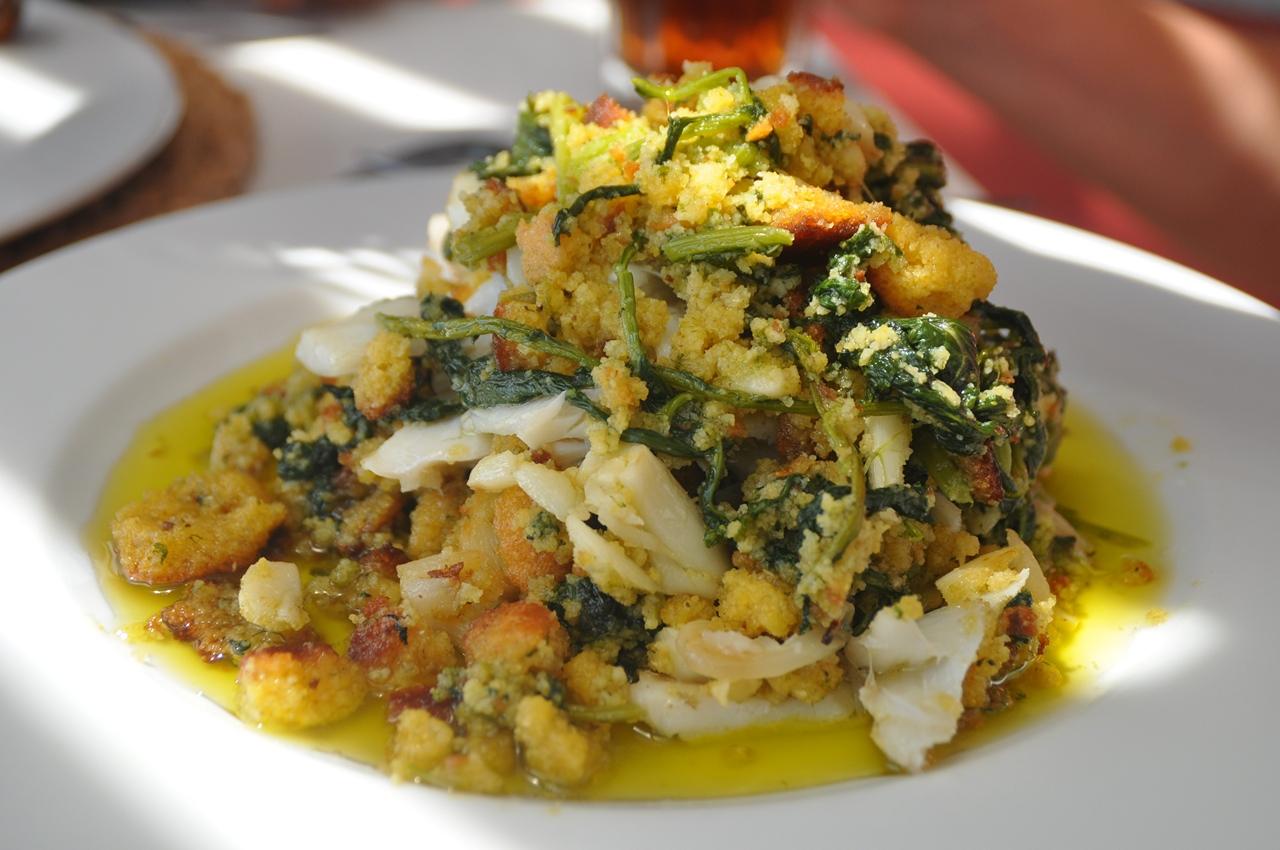
Bacalhau à Brás: Codfish dish with potatoes and eggs
Port Wine: Sweet fortified wine, a local specialty
Café Majestic: Historic café known for its elegant decor
Mercado do Bolhão: Traditional market offering local produce and snacks
Lokale Traditionen - Porto

Lokale Traditionen

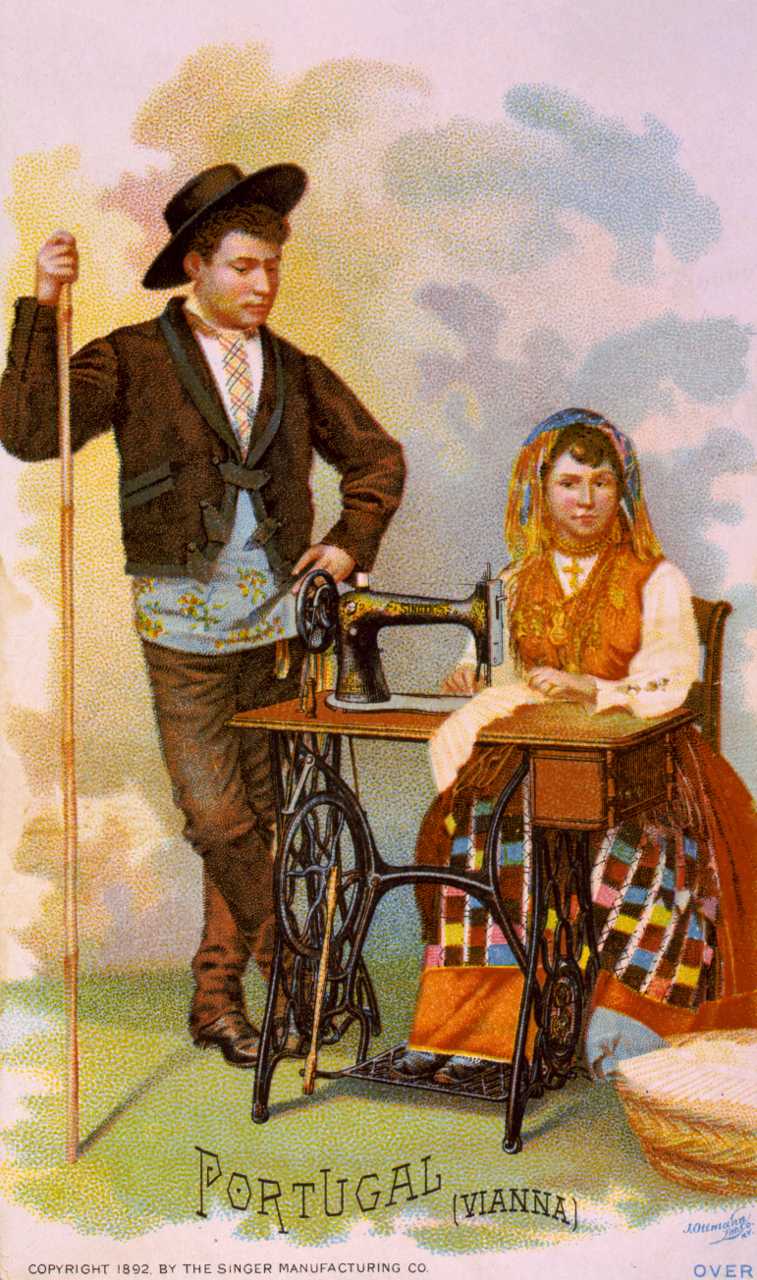
São João Festival: Celebrated in June with street parties and fireworks
Festa de São Pedro: Local festival with music and food in late June
Fado music: Traditional music genre reflecting Portuguese culture
Cultural events: Regular art exhibitions and music festivals throughout the year
Geschichte - Porto

Geschichte

Porto's history dates back to Roman times when it was known as Portus Cale, a settlement that eventually gave Portugal its name. The city flourished during the Middle Ages, becoming a significant trading hub due to its strategic location along the Douro River.

In the 18th century, Porto gained international fame for its port wine production, leading to the establishment of numerous wine cellars. The city played a crucial role in Portugal's political and economic development, particularly during the Liberal Wars in the 19th century.

Wissenswertes

Be cautious of pickpockets in crowded areas, especially near tourist sites
Public transport can be confusing; consider using Uber for convenience
Some attractions may have long lines, especially in peak season
Watch out for tourist traps in the Ribeira district; explore side streets for authentic experiences

Do's und Don'ts

Try the local cuisine at traditional restaurants
Explore beyond the main tourist areas for hidden gems
Learn a few Portuguese phrases to enhance your experience
Take your time to enjoy the city's relaxed pace
Don't rush your visit; Porto is best enjoyed slowly
Don't skip the local markets; they offer unique insights
Don't assume all wine is port; explore other local varieties
Don't forget to check opening hours for attractions, as they vary

Foto: Wikipedia / Wikimedia Commons