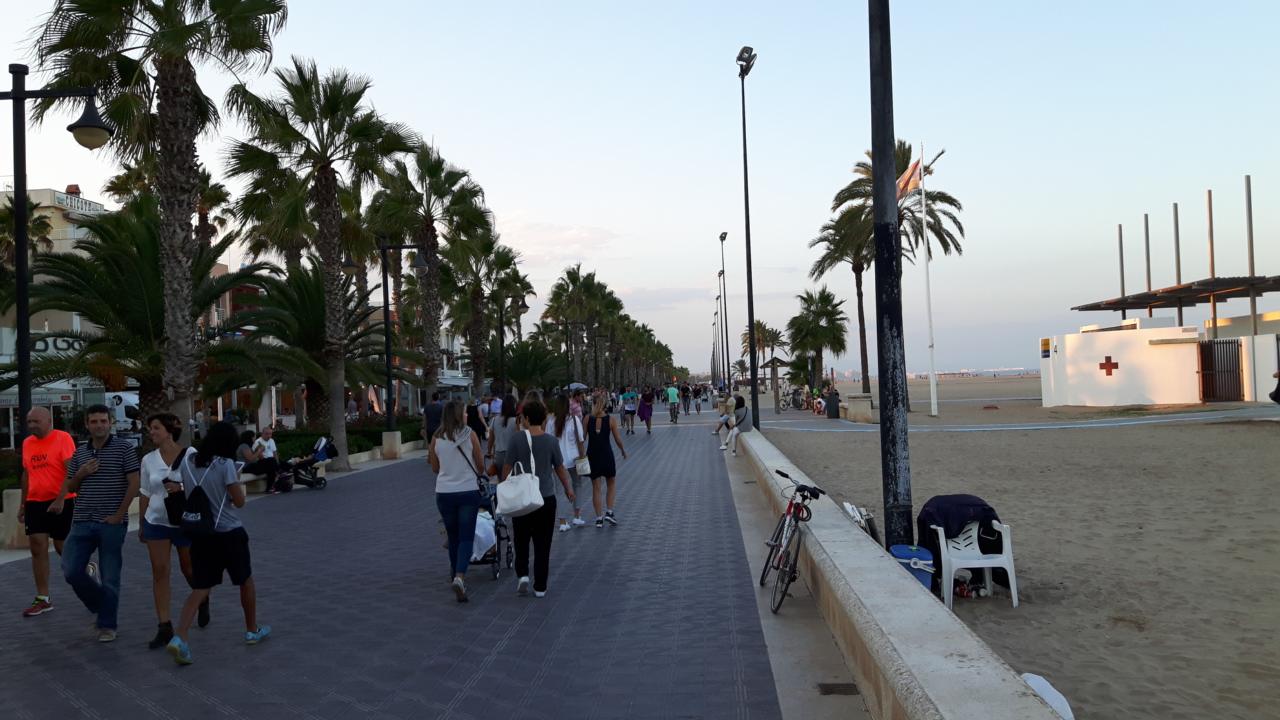
Introduction
Valencia, eine lebendige Stadt an der östlichen Küste Spaniens, ist bekannt für ihre atemberaubende Architektur, reiche Geschichte und lebhafte Atmosphäre. Besucher werden von einer Mischung aus modernen und traditionellen Elementen begrüßt, von den futuristischen Gebäuden der Stadt der Künste und Wissenschaften bis zum historischen Charme der Altstadt. Das mediterrane Klima der Stadt und die schönen Strände machen sie zu einem idealen Reiseziel das ganze Jahr über. Valencia ist auch berühmt für seine kulinarischen Köstlichkeiten, insbesondere die ikonische Paella, und veranstaltet zahlreiche Festivals, die ihre einzigartige Kultur und ihr Erbe feiern.
Sightseeing
Things to do
Top-Attraktionen
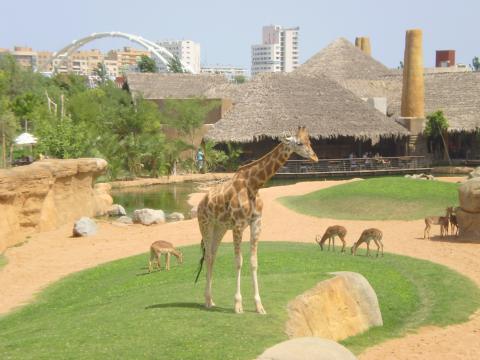
Bioparc Valencia
An immersive zoo experience with natural habitats.
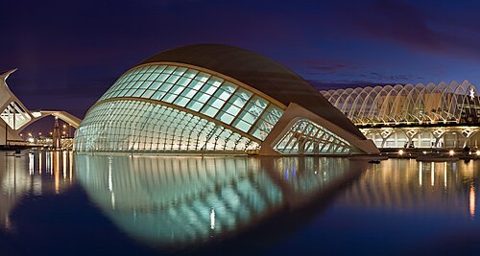
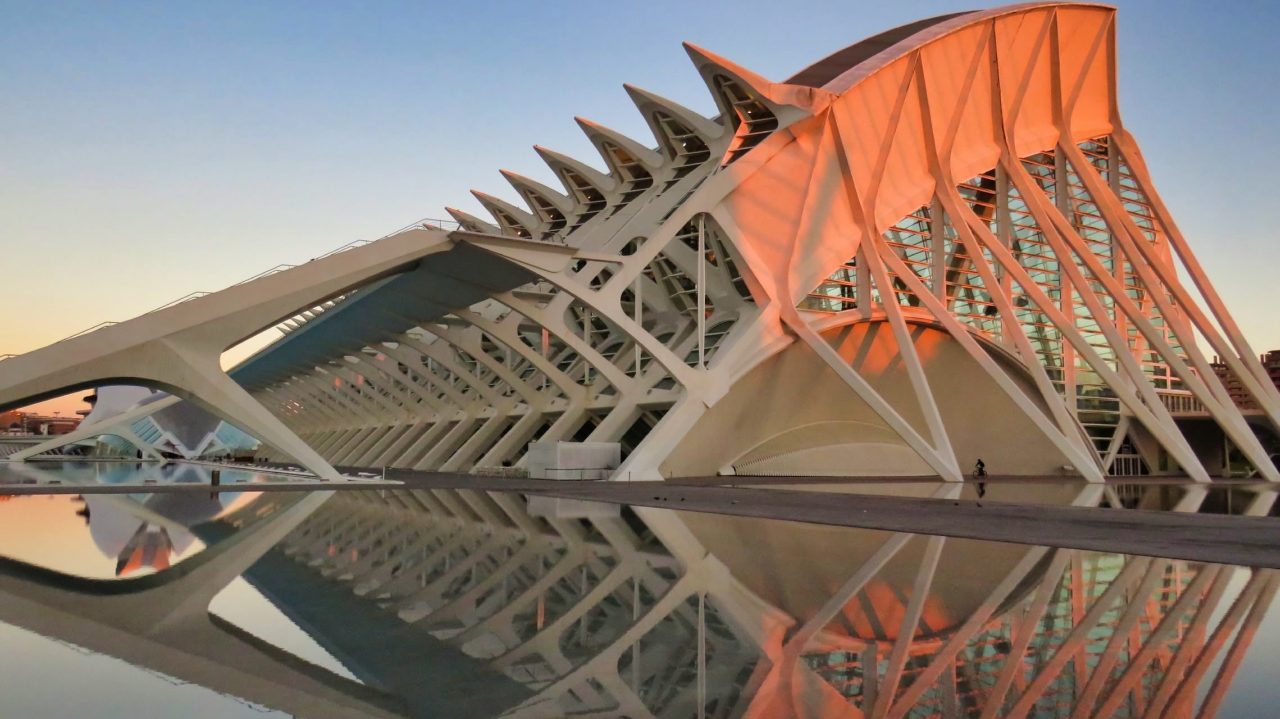
City of Arts and Sciences
A futuristic complex with interactive science exhibits.
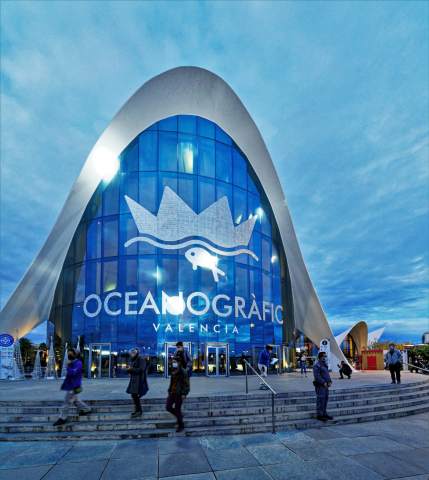
Oceanogràfic
A captivating aquarium with diverse marine species.
Turia Gardens
A vast park perfect for outdoor activities.
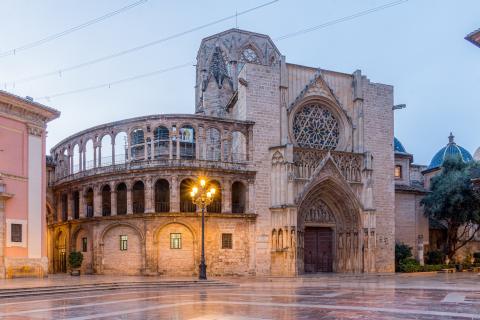
Valencia Cathedral
Gothic architecture and history
Valencia Science Museum
Interactive science exhibits for all ages
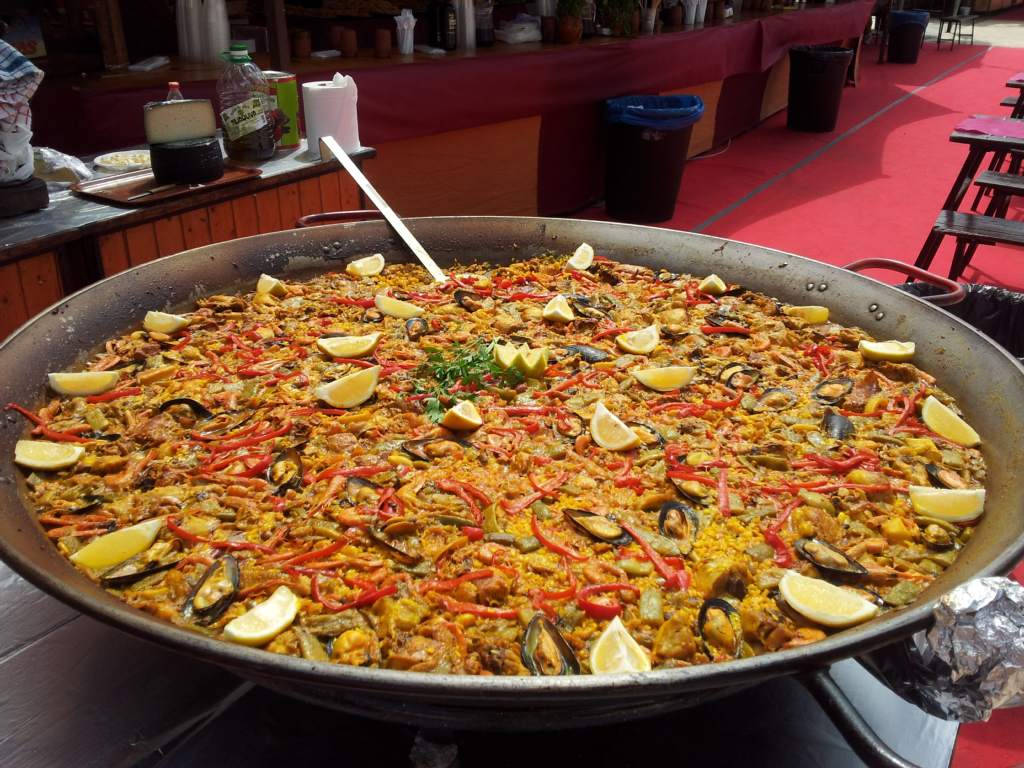
Lokales Essen und Trinken
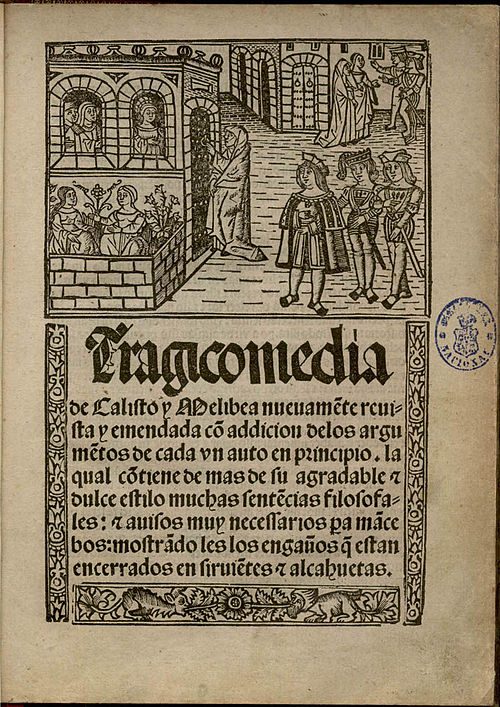
Lokale Traditionen
Geschichte
Valencia was founded in 138 BC by the Romans, who named it Valentia Edetanorum. Over the centuries, it has been influenced by various cultures, including the Moors, who left a lasting impact on the city's architecture and agriculture.
In the 15th century, Valencia became a significant trade center, especially for silk. The city continued to thrive until the decline of the silk industry in the 19th century, but it has since revitalized itself as a cultural and economic hub in modern Spain.
Wissenswertes
Do's und Don'ts
Foto: Wikipedia / Wikimedia Commons