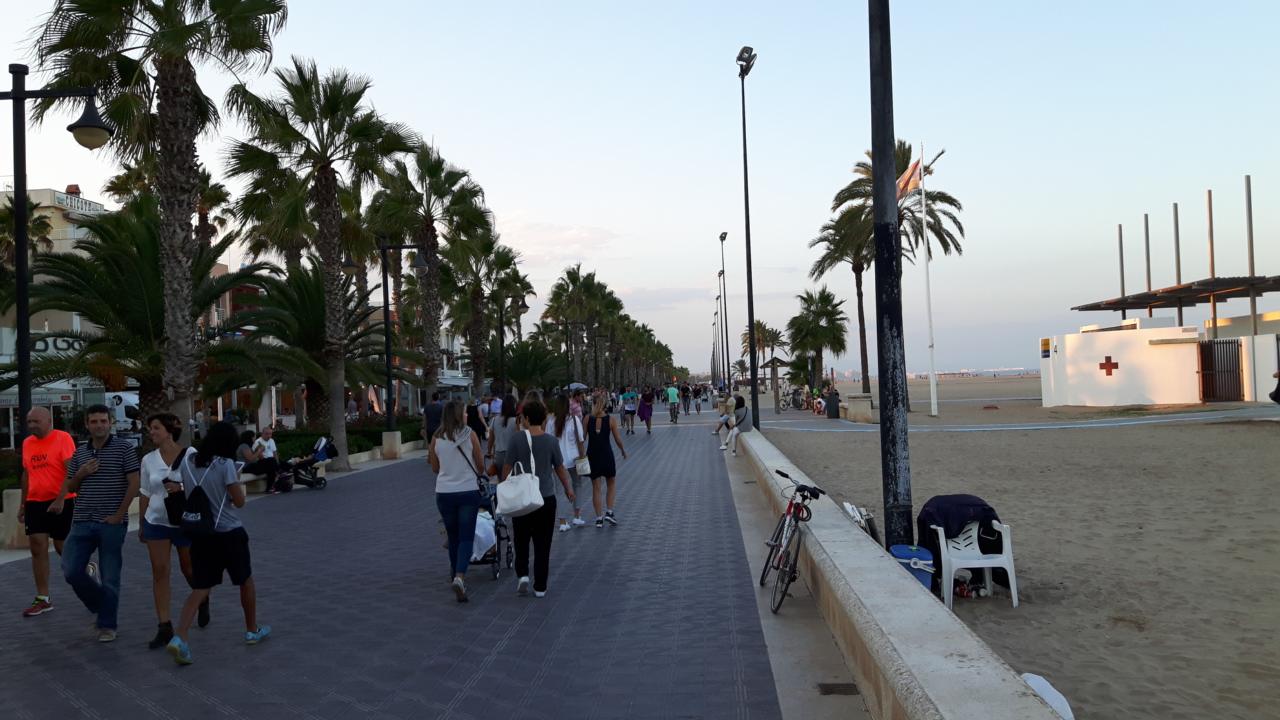
Introduction
Valencia, una ciudad vibrante en la costa este de España, es conocida por su impresionante arquitectura, rica historia y ambiente animado. Los visitantes son recibidos por una mezcla de elementos modernos y tradicionales, desde las estructuras futuristas de la Ciudad de las Artes y las Ciencias hasta el encanto histórico del casco antiguo. El clima mediterráneo de la ciudad y sus hermosas playas la convierten en un destino ideal durante todo el año. Valencia también es famosa por sus delicias culinarias, particularmente la icónica paella, y alberga numerosos festivales que celebran su cultura y patrimonio únicos.
Sightseeing
Things to do
Principales atracciones
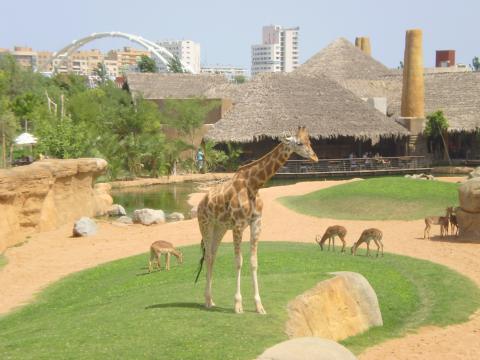
Bioparc Valencia
An immersive zoo experience with natural habitats.
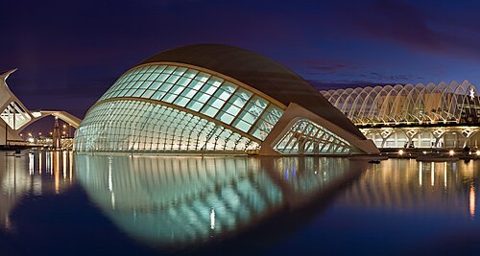
City of Arts and Sciences
A futuristic complex with interactive science exhibits.
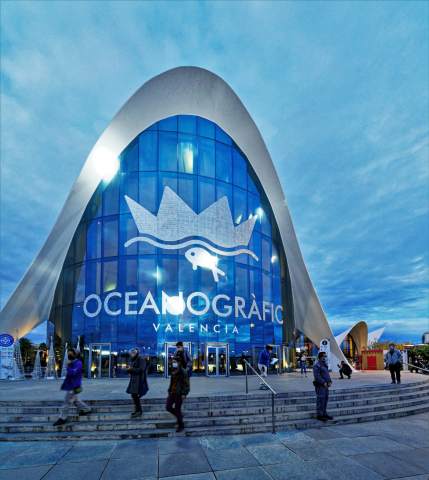
Oceanogràfic
A captivating aquarium with diverse marine species.
Turia Gardens
A vast park perfect for outdoor activities.
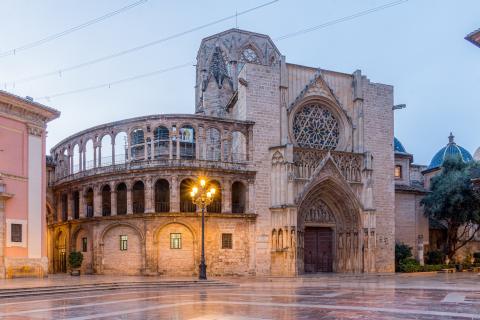
Valencia Cathedral
Gothic architecture and history
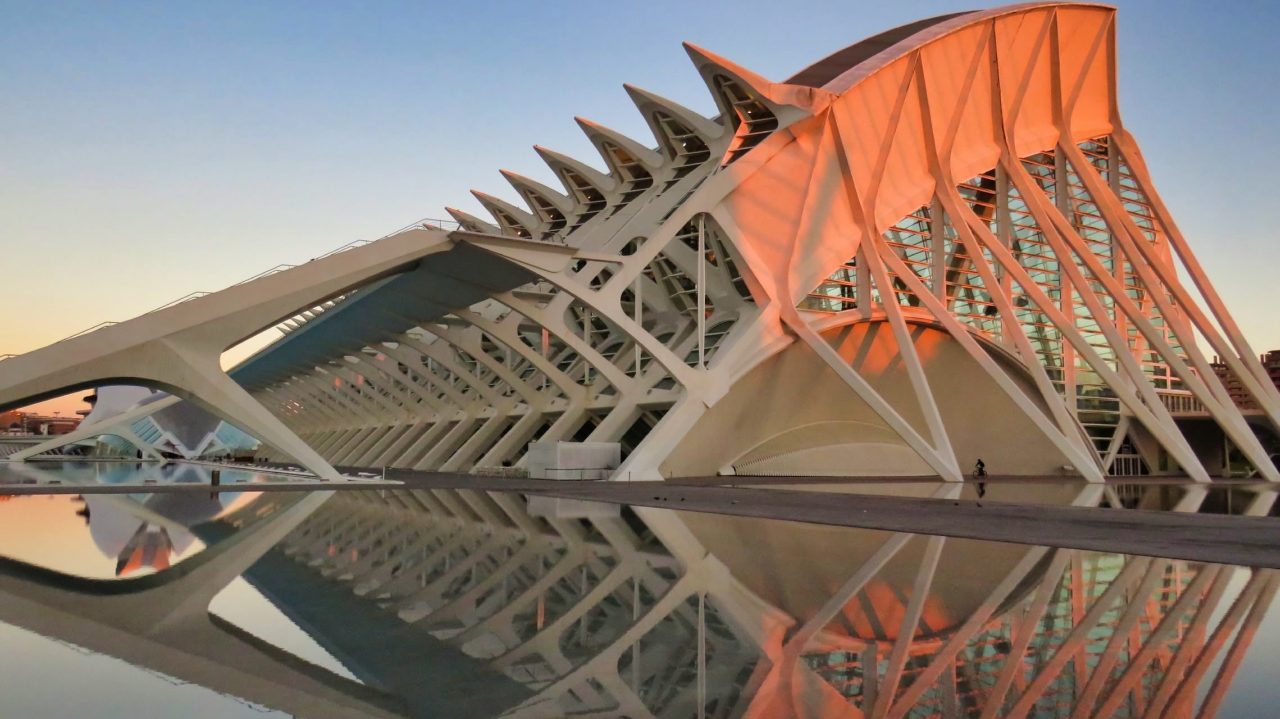
Valencia Science Museum
Interactive science exhibits for all ages
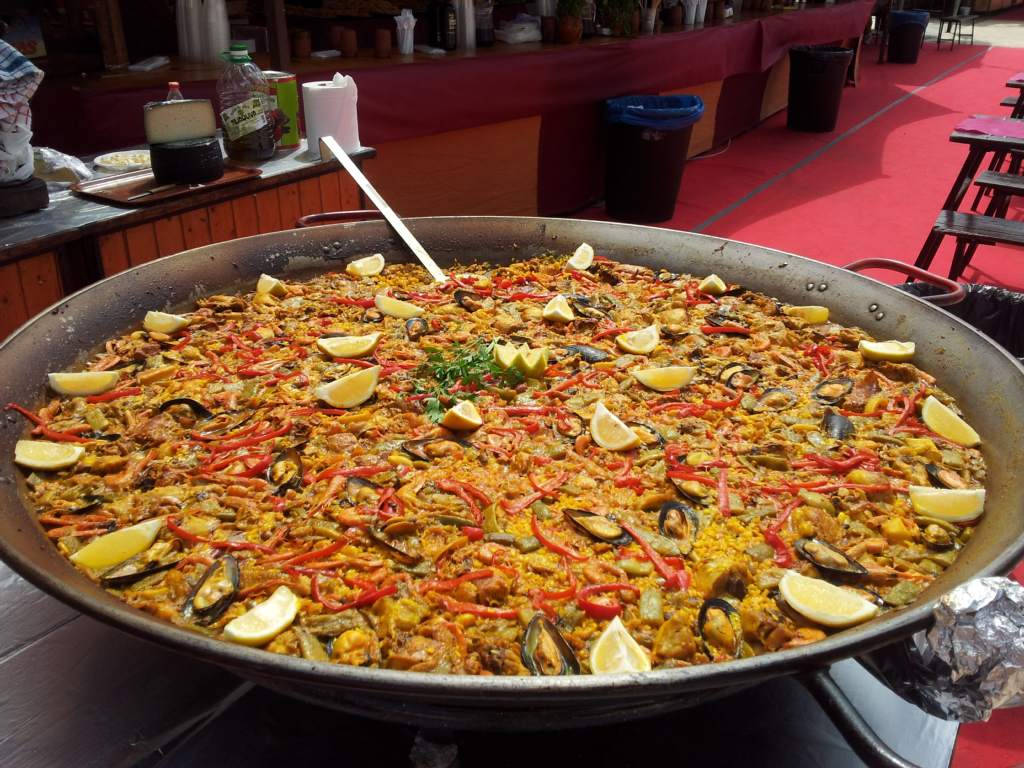
Comida y bebida local
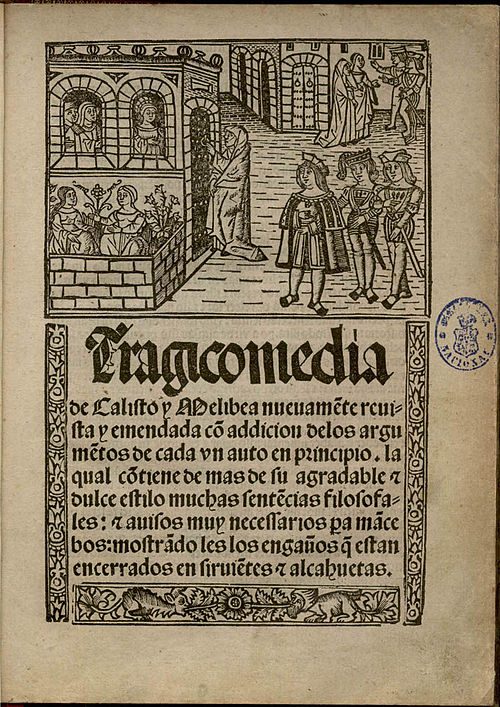
Tradiciones locales
Historia
Valencia was founded in 138 BC by the Romans, who named it Valentia Edetanorum. Over the centuries, it has been influenced by various cultures, including the Moors, who left a lasting impact on the city's architecture and agriculture.
In the 15th century, Valencia became a significant trade center, especially for silk. The city continued to thrive until the decline of the silk industry in the 19th century, but it has since revitalized itself as a cultural and economic hub in modern Spain.
Cosas que saber
Qué hacer y qué evitar
Foto: Wikipedia / Wikimedia Commons