Orkney Islands
The Orkney Islands offer a unique blend of stunning landscapes and rich history, making them a captivating destination for visitors. With their rugged coastlines, tranquil beaches, and ancient ruins, these islands invite exploration and discovery at every turn.
Read more
As you wander through the charming towns and villages, you'll find a warm local culture that embraces its Viking heritage. The islands are a haven for nature lovers and history buffs alike, but be prepared for unpredictable weather and limited amenities in some areas.
Highlights

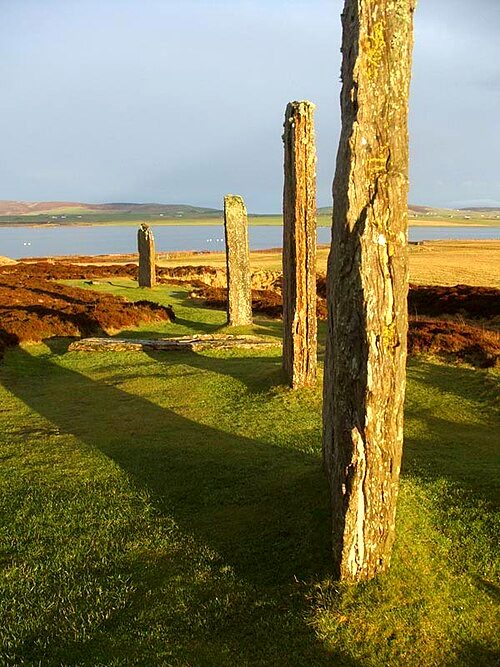
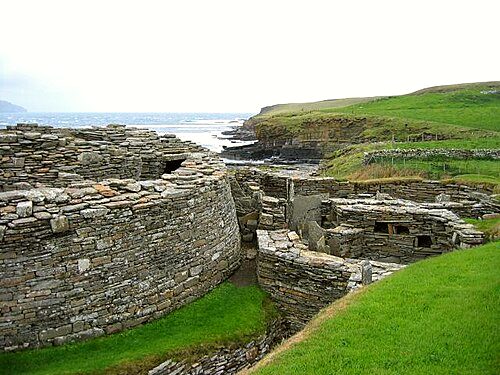
Brough of Birsay
An archaeological site with stunning views
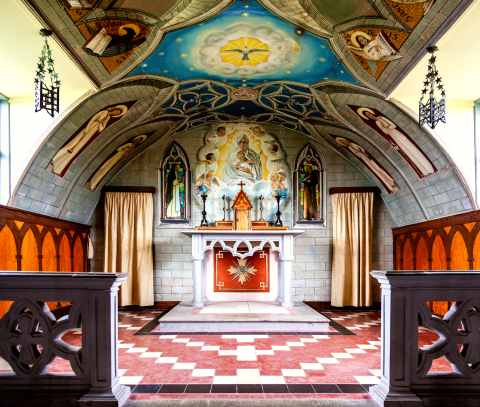
Italian Chapel
A beautiful chapel built by POWs
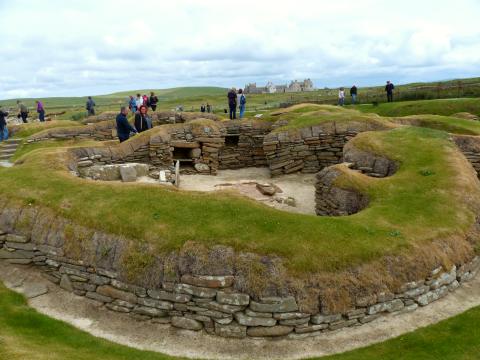
Skara Brae
A fascinating prehistoric village
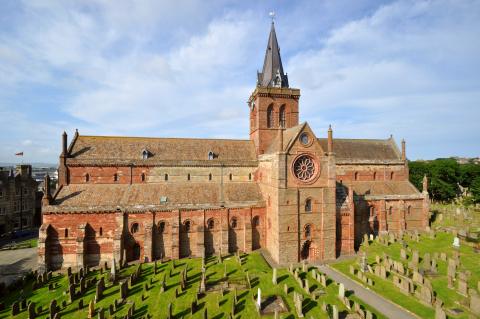
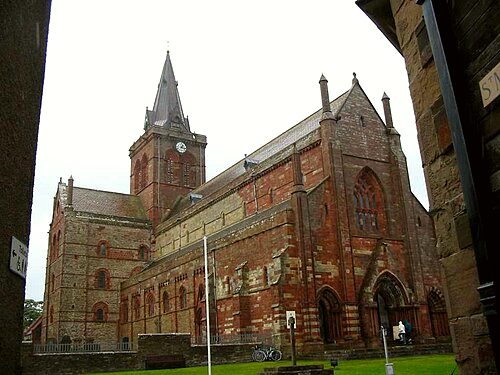
St. Magnus Cathedral
A stunning medieval architectural gem
In pictures
![Artist's conception of King Olaf Tryggvason of Norway, who forcibly Christianised Orkney.[68] Painting by Peter Nicolai Arbo.](https://kiomigo-media-staging.fsn1.your-objectstorage.com/places/11308/15560-orkney-islands-gallery-mid.jpg)
Sightseeing
Things to do
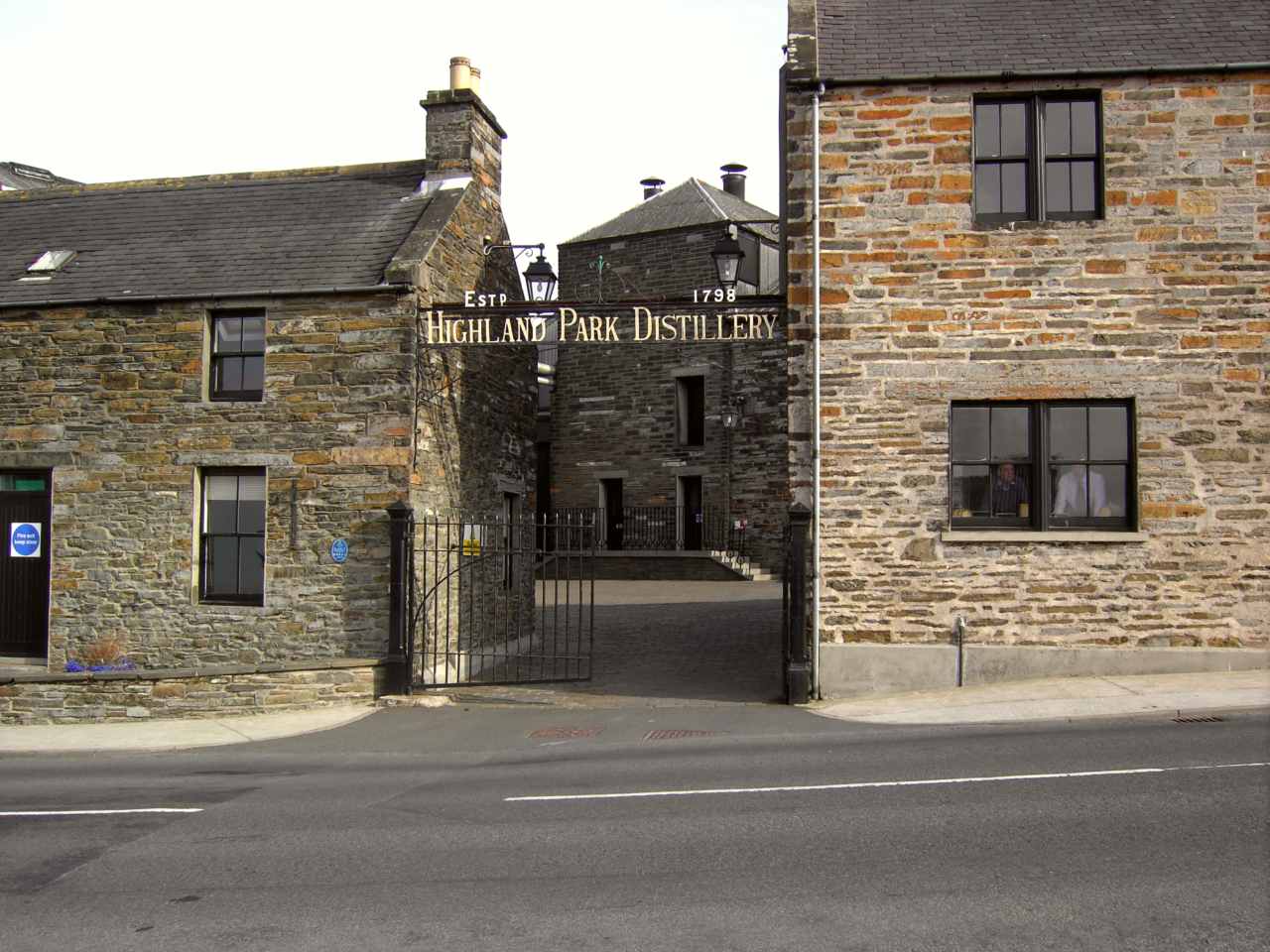
Local food and drinks
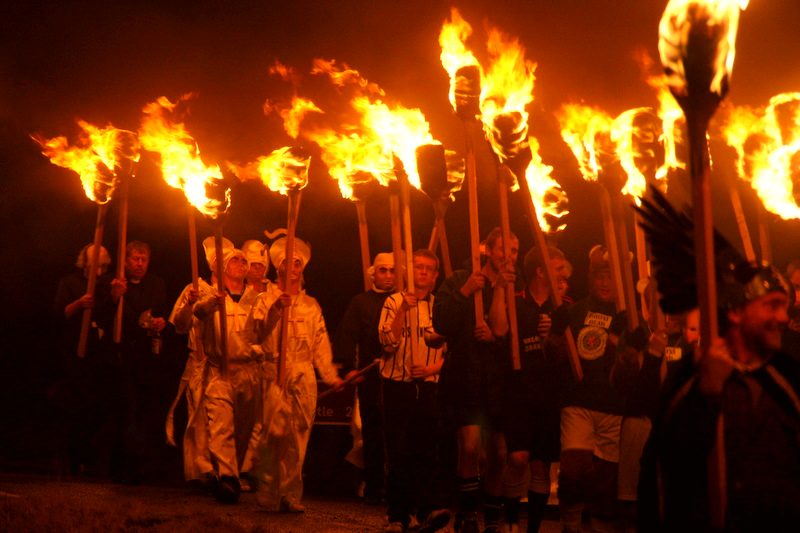
Local traditions
Do's and don'ts
Practical
At a glance
- Population
- 22.000
- Accessibility
- Some areas are accessible, but others may be challenging
- Island
- yes
- Price level
- Mid-range
Things to know
History
The Orkney Islands have been inhabited since the Mesolithic period, with archaeological finds dating back to around 7000 BC. The arrival of the Vikings in the 9th century marked a significant shift, as they brought their culture and traditions, leaving a lasting impact on the islands.
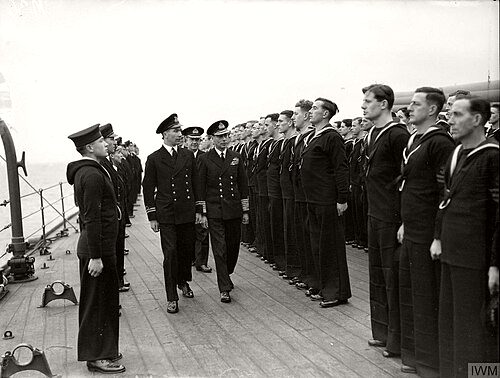
The islands are home to some of the oldest human structures in the world, including the Neolithic village of Skara Brae. Over the centuries, Orkney has played a crucial role in maritime history, serving as a strategic naval base during both World Wars.
Photo: Wikipedia / Wikimedia Commons