kiomigo
search
search
add New trip
La Paz

La Paz

Population: 800.000 Since: Founded in 1548 Ville capitale

Introduction

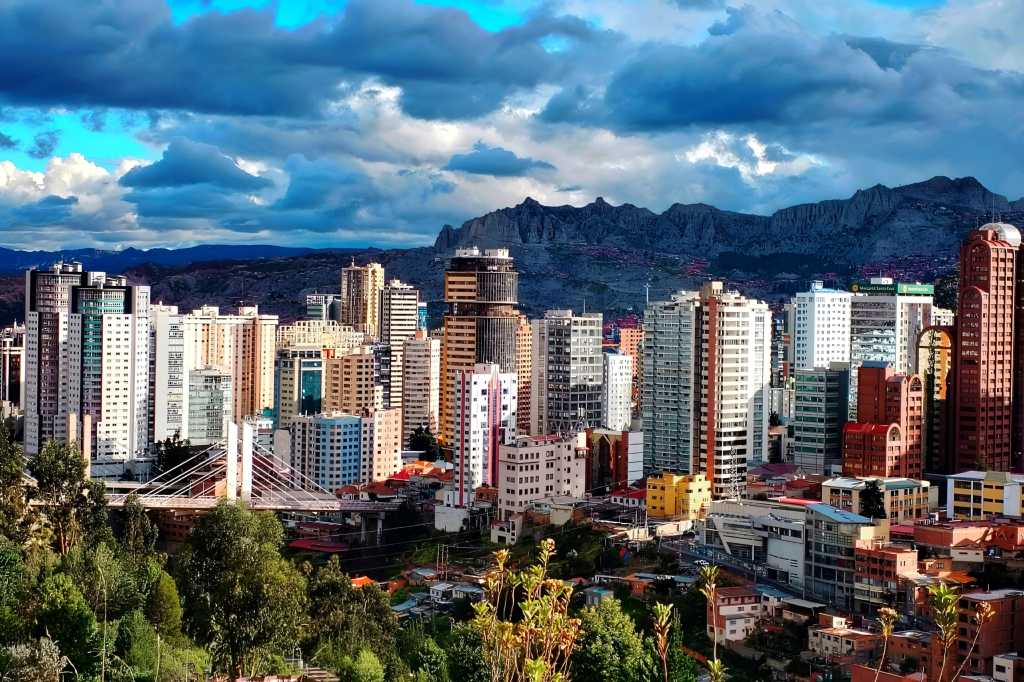
La Paz is a vibrant city nestled high in the Andes, offering a unique blend of indigenous culture and modernity. The altitude can be challenging, but the stunning views and rich history make it worth the effort.

Visitors are often struck by the colorful markets and the warmth of the locals. However, be prepared for the hustle and bustle, as the city can feel chaotic, especially in the busy streets.

Sightseeing

Witches' Market: a fascinating place to explore local traditions and remedies
Valley of the Moon: surreal rock formations that resemble a lunar landscape
Plaza Murillo: the main square surrounded by important government buildings
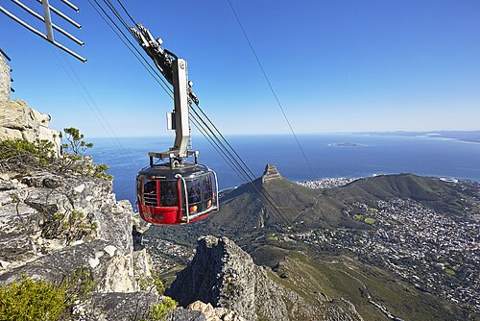
Teleférico: a cable car system offering breathtaking views of the city
San Francisco Church: a stunning example of colonial architecture
Tiwanaku: ancient ruins that showcase Bolivia's pre-Columbian history
Museo de la Coca: dedicated to the history and cultural significance of coca leaves
Mirador Killi Killi: a viewpoint that provides panoramic views of La Paz

"A city of contrasts and culture"La Paz

Things to do

Explore the local markets: immerse yourself in Bolivian culture
Take a cable car ride: enjoy stunning views of the city and mountains
Visit the museums: learn about the rich history of the region
Hike in the nearby mountains: experience the natural beauty surrounding La Paz
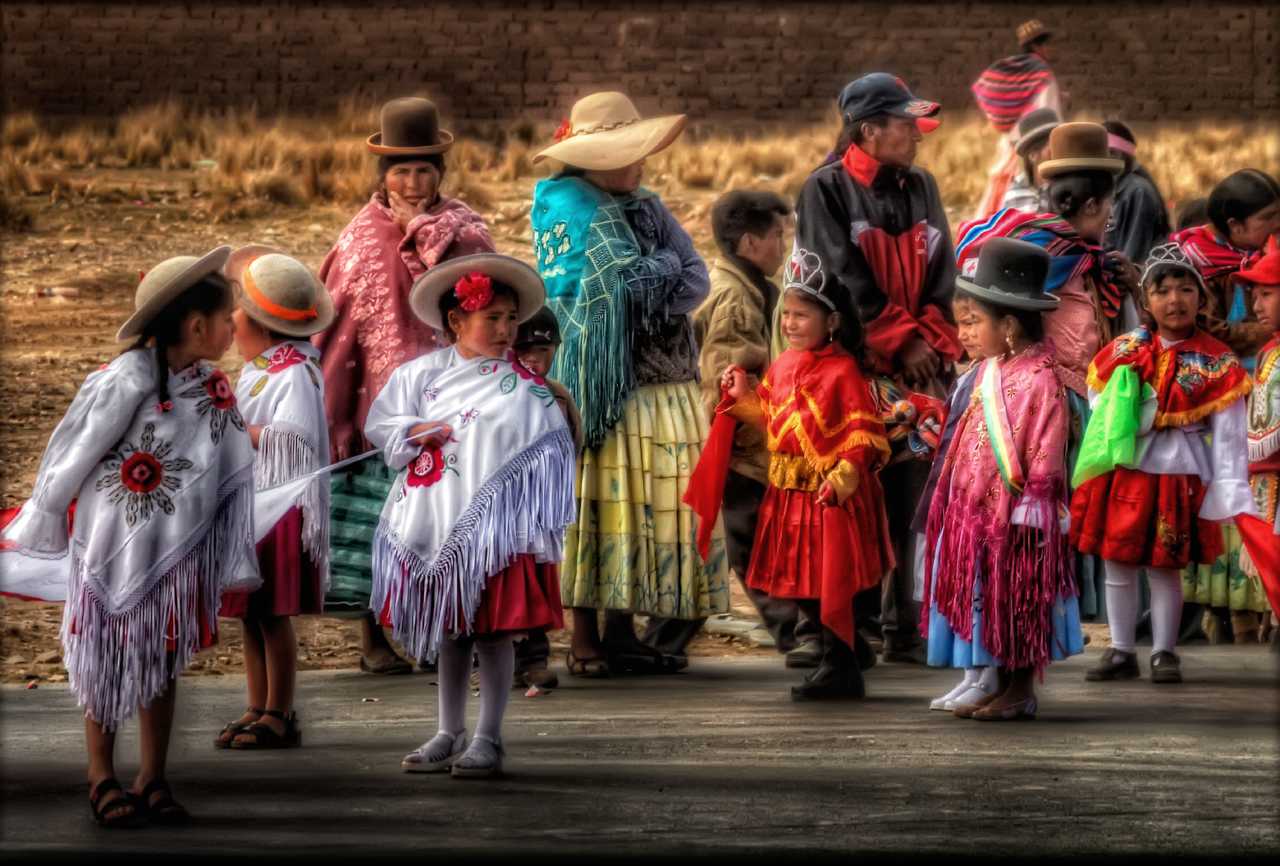
Attend a local festival: witness vibrant celebrations and traditions

Principales attractions

Cuisine et boissons locales - La Paz

Cuisine et boissons locales

Salteñas: delicious baked pastries filled with meat or vegetables
Pique Macho: a hearty dish of beef, sausage, and potatoes
Chicha: a traditional fermented corn drink
Api: a warm, sweet drink made from corn and spices
La Casa del Camba: a popular spot for local cuisine
Traditions locales - La Paz

Traditions locales

Carnaval de La Paz: a lively festival with parades and music
Day of the Dead: honoring deceased loved ones with altars and offerings
Inti Raymi: a celebration of the sun god, featuring traditional dances
Festival de la Alasita: a fair where miniature items are sold for good fortune
Histoire - La Paz

Histoire

La Paz was founded in 1548 by Spanish conquistador Alonso de Mendoza, originally as a settlement for silver miners. Its name, meaning 'The Peace,' reflects the desire for stability in a tumultuous time.

Over the centuries, La Paz has grown into Bolivia's administrative capital, becoming a melting pot of cultures. The city has faced political upheaval and social change, but it remains a vibrant center of indigenous heritage and modern development.

À savoir

Altitude sickness is common, so take it slow upon arrival
Public transport can be confusing; consider using taxis or rideshares
Be cautious in crowded areas to avoid pickpockets
Some attractions may have limited hours or require advance booking

À faire et à éviter

Try local street food for an authentic experience
Learn a few basic Spanish phrases to communicate better
Respect local customs and traditions during your visit
Bargain politely at markets for the best prices
Don't underestimate the altitude; stay hydrated
Don't flash valuables in public to avoid attracting attention
Don't take photos of locals without asking for permission
Don't rely solely on credit cards; carry cash for small purchases

Photo: Wikipedia / Wikimedia Commons