kiomigo
search
search
add New trip
Oruro

Oruro

Population: 250.000 Since: Founded in the 17th century

Introduction

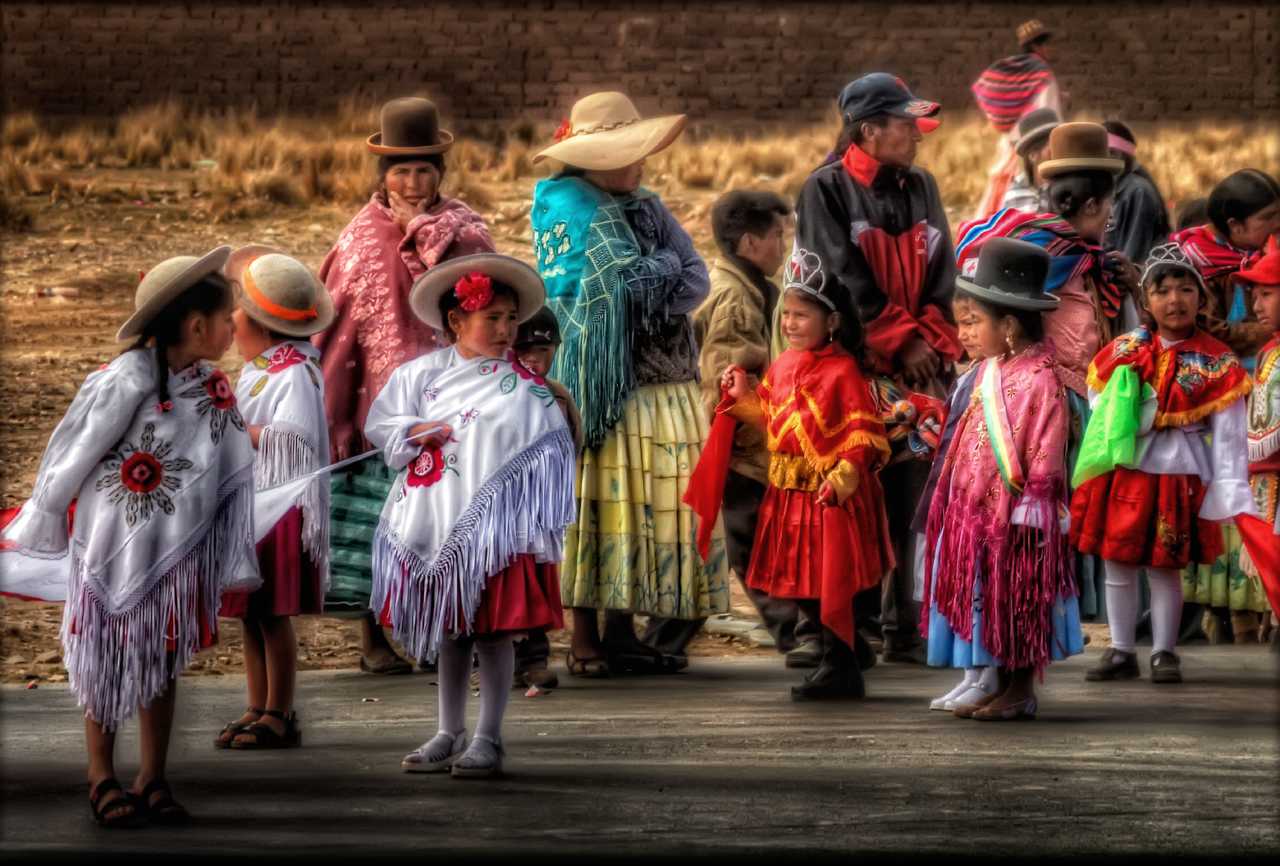
Oruro is a vibrant city nestled in the Andes, known for its rich cultural heritage and lively atmosphere. Visitors are often captivated by the colorful markets, traditional music, and the warmth of the local people.

The city is also famous for its annual Carnival, which showcases elaborate costumes and energetic parades. However, the high altitude can be challenging for some, so take it slow and enjoy the unique blend of indigenous and colonial influences.

Sightseeing

Oruro's Carnival: a UNESCO-listed festival with stunning parades
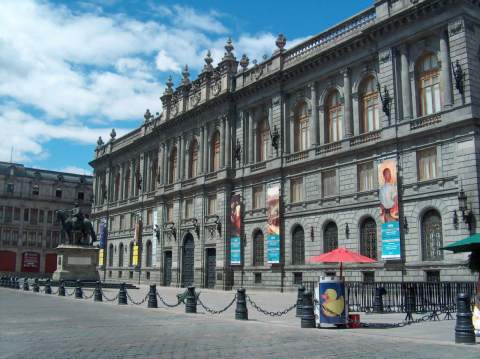
Museo Nacional de Arte: features Bolivian art and history
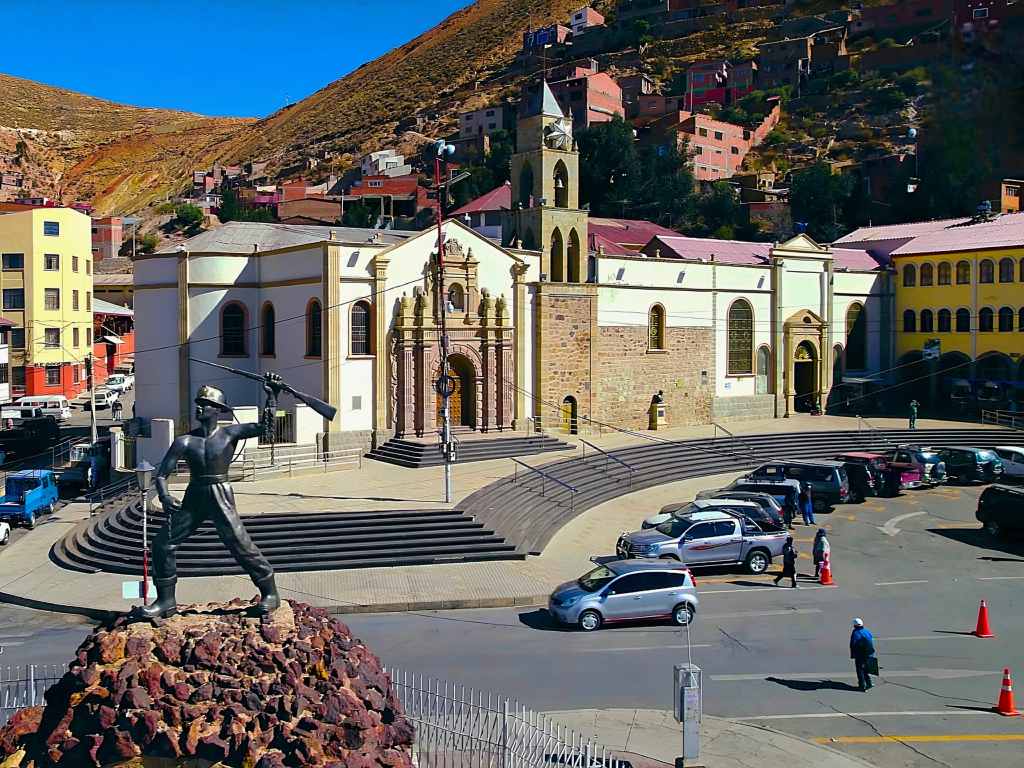
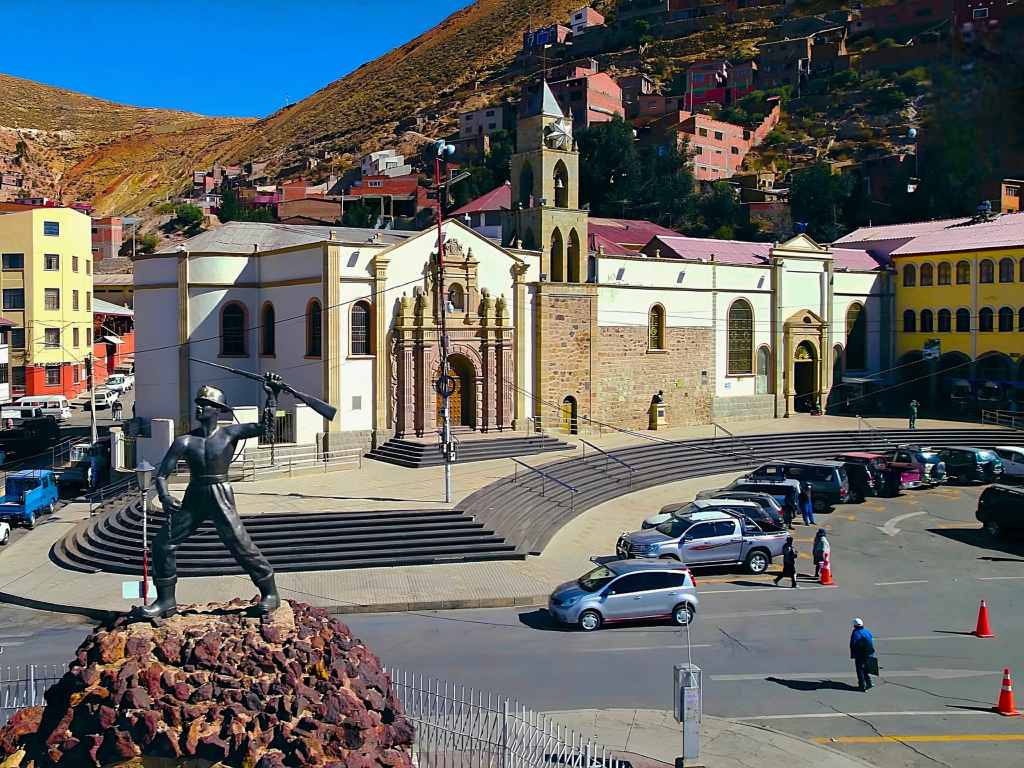
Sagrado Corazón de Jesús: a striking church with beautiful architecture
Cerro Pie de Gallo: offers panoramic views of the city
Plaza 10 de Febrero: a central hub for locals and tourists alike
Mercado Manuel de Castro: a bustling market for local goods
Santuario de la Virgen del Socavón: a revered religious site
Laguna Colorada: a breathtaking red lagoon nearby

"A Cultural Gem in the Andes"Oruro

Things to do

Explore the local markets for unique crafts
Attend the Carnival for an unforgettable experience
Hike to Cerro Pie de Gallo for stunning views
Visit the local museums to learn about Bolivian culture
Take a guided tour of the mining areas nearby

Top-Attraktionen

Lokales Essen und Trinken - Oruro

Lokales Essen und Trinken

Salteñas: savory pastries filled with meat and vegetables
Pique Macho: a hearty dish of beef, sausage, and potatoes
Api: a traditional hot drink made from corn
Chicha: a fermented beverage made from corn
Café Oruro: a local spot for coffee and pastries
Lokale Traditionen - Oruro

Lokale Traditionen

Carnaval de Oruro: a vibrant festival with parades and dances
Semana Santa: Holy Week celebrations with religious processions
Día de Todos Santos: honoring deceased loved ones with offerings
Fiesta de la Virgen del Socavón: a celebration of the patron saint
Geschichte - Oruro

Geschichte

Oruro was founded in the 17th century as a mining town, primarily for silver. Its strategic location made it a vital center for trade and commerce in the region, attracting settlers and miners alike.

Over the years, Oruro has evolved into a cultural hub, known for its rich traditions and festivals. The city's unique blend of indigenous and Spanish influences is evident in its architecture, cuisine, and local customs.

Wissenswertes

Be cautious of altitude sickness, drink plenty of water
Public transport can be unreliable, consider taxis
Some areas may feel unsafe at night, stay alert
Tourist traps exist, especially near major attractions

Do's und Don'ts

Try the local cuisine at street vendors
Respect local customs and traditions
Learn a few phrases in Spanish to connect with locals
Take your time to acclimatize to the altitude
Don't flash valuables in public
Don't assume everyone speaks English
Don't rush your visit, enjoy the slower pace
Don't ignore altitude sickness symptoms

Foto: Wikipedia / Wikimedia Commons