kiomigo
search
search
add New trip
Potosí

Potosí

Population: 200.000 Since: Founded in 1545

Introduction

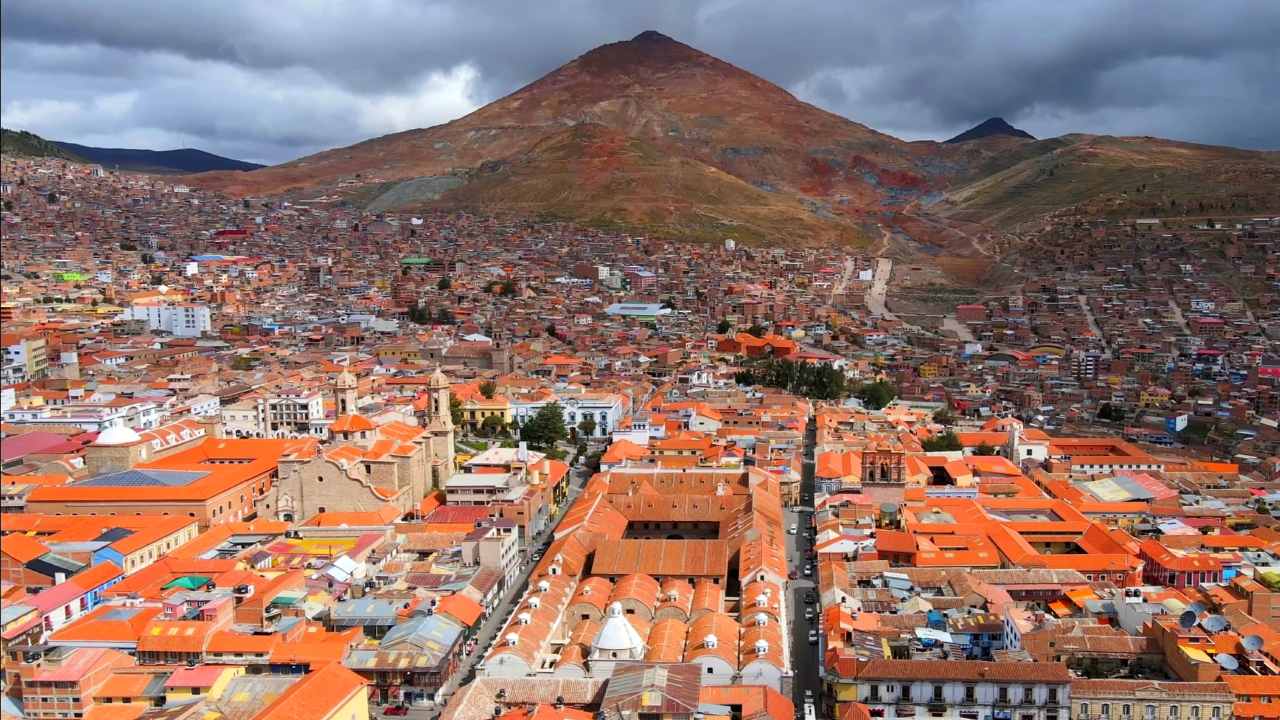
Potosí is a city steeped in history, perched high in the Andes mountains of Bolivia. Visitors are often struck by its colonial architecture and the remnants of its silver mining past, which once made it one of the wealthiest cities in the world.

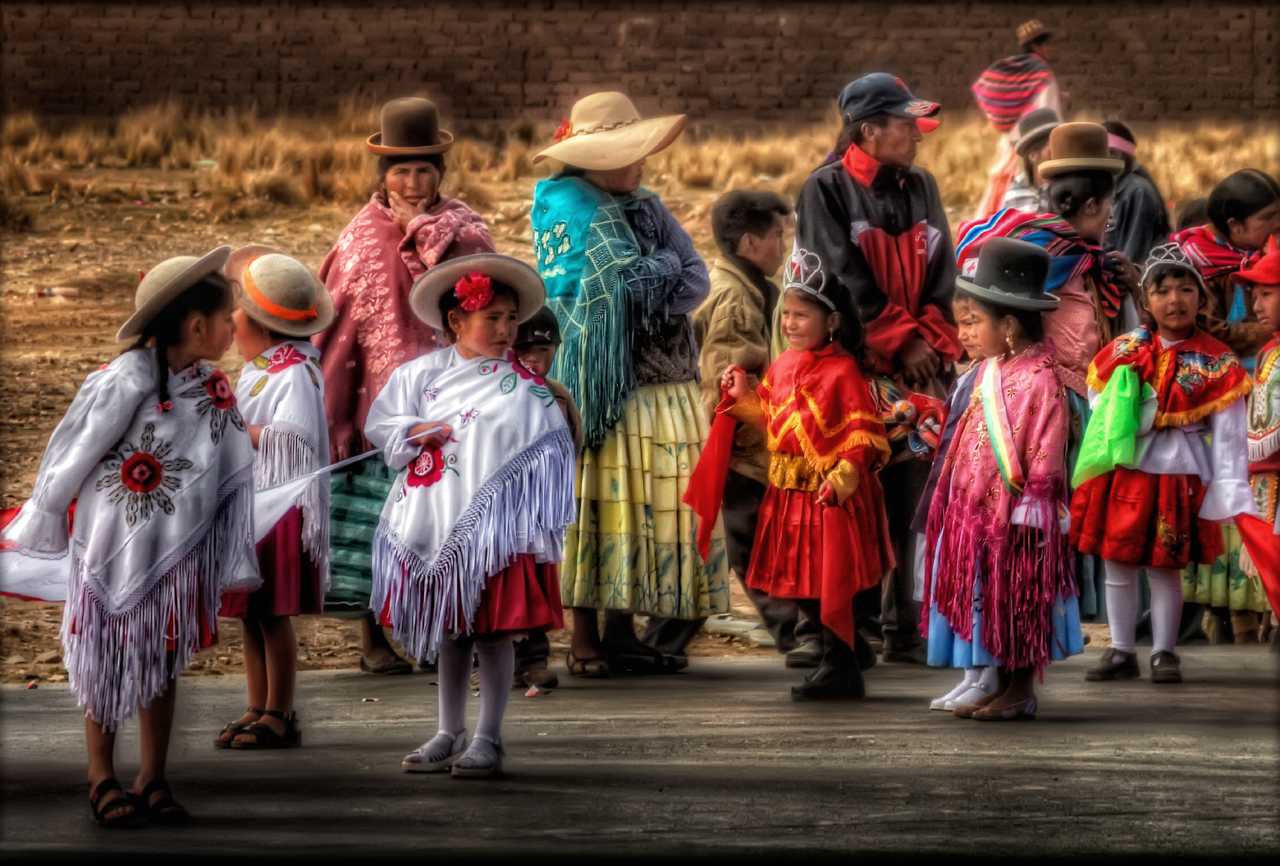
The atmosphere is vibrant yet reflective, with locals often engaging in traditional customs. The altitude can be challenging, so take it slow and enjoy the unique blend of culture and history that permeates the streets.

Sightseeing

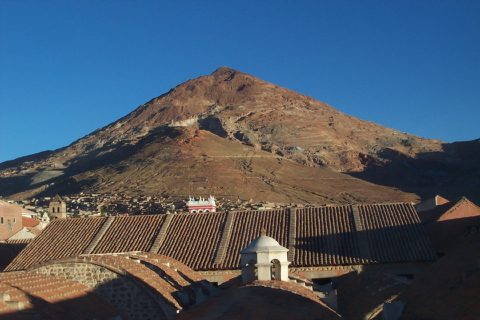
Cerro Rico: the iconic mountain that looms over the city
Casa de la Moneda: a historical mint showcasing Potosí's silver history
San Francisco Church: a stunning example of colonial architecture
Potosí Cathedral: a beautiful baroque church in the main square
National Mint Museum: exhibits on the minting process and history
Torre de la Compañía: a striking tower with panoramic views
Mercado Central: a bustling market for local goods
Calle de la Plata: a historic street with colonial charm

"A rich history in the Andes"Potosí

Things to do

Explore the mines: a guided tour offers a glimpse into mining life
Visit the mint: learn about the history of silver production
Wander the historic center: admire colonial buildings and plazas
Sample local street food: try salteñas and empanadas
Attend a local festival: experience vibrant Bolivian culture firsthand

Topp attraksjoner

Lokal mat og drikke - Potosí

Lokal mat og drikke

Salteñas: a savory pastry filled with meat and spices
Empanadas: delicious stuffed pastries, often with cheese or meat
Chicha: a traditional fermented drink made from corn
Api: a warm, sweet beverage made from corn and spices
Potosí beer: local brews to quench your thirst
Lokale tradisjoner - Potosí

Lokale tradisjoner

Carnaval de Potosí: a lively festival with parades and music
Día de Todos Santos: honoring deceased loved ones with offerings
Fiesta de la Virgen de la Candelaria: a celebration with dances and music
Traditional weaving: showcasing indigenous craftsmanship and culture
Historie - Potosí

Historie

Potosí was founded in 1545, following the discovery of rich silver deposits on Cerro Rico. The city quickly grew into a major colonial hub, attracting miners and merchants from across the Spanish Empire, leading to its peak prosperity in the 17th century.

However, the decline of silver production and the exploitation of indigenous labor led to economic challenges. Today, Potosí stands as a UNESCO World Heritage site, preserving its rich history and cultural heritage amidst the stunning Andean landscape.

Verdt å vite

Be prepared for high altitude; acclimatization is essential
Transport can be limited; plan ahead for getting around
Some tours may feel exploitative; choose reputable operators
Safety can be a concern at night; stay in well-lit areas

Bør og bør ikke

Take your time to acclimatize to the altitude
Engage with locals to learn about their culture
Respect local customs and traditions
Try the local cuisine for an authentic experience
Don't underestimate the altitude; it can affect your health
Don't wander alone at night in less populated areas
Don't skip the guided mine tours; they provide valuable context
Don't rush your visit; Potosí has a lot to offer

Bilde: Wikipedia / Wikimedia Commons