Introduction
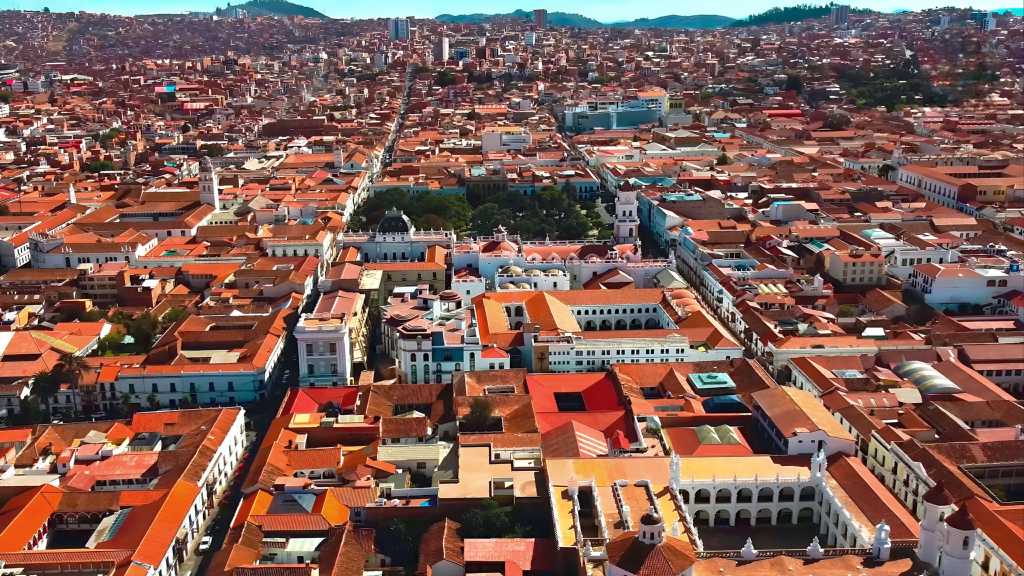
Sucre, the constitutional capital of Bolivia, is a charming city known for its well-preserved colonial architecture and vibrant culture. Strolling through its cobblestone streets, visitors are greeted by whitewashed buildings adorned with colorful balconies, creating a picturesque atmosphere that feels both historic and lively.
The city is also a UNESCO World Heritage site, offering a unique blend of indigenous and Spanish influences. While Sucre is often less crowded than other Bolivian cities, it retains a warm, welcoming vibe that invites exploration and discovery.
Sightseeing
Things to do
热门景点
Casa de la Libertad
Museum of Bolivia's independence history
Cretaceous Park
A unique park featuring dinosaur replicas
La Recoleta
A viewpoint offering panoramic city views
Plaza 25 de Mayo
The heart of Sucre, ideal for relaxation
当地美食与饮品
当地传统
历史
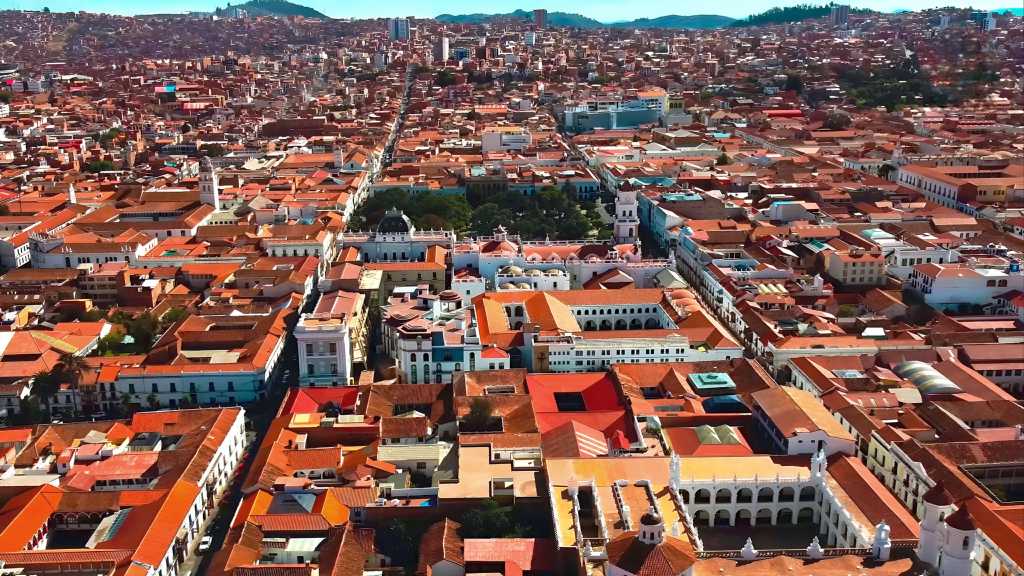
Sucre was founded in 1538 by Spanish conquistador Pedro Anzúrez and named after the first president of Bolivia, Antonio José de Sucre. The city played a crucial role in Bolivia's fight for independence, serving as a political and cultural center throughout the 19th century.
Over the years, Sucre has maintained its historical significance, becoming a UNESCO World Heritage site in 1991. Its rich history is reflected in the architecture and cultural practices that continue to thrive today, making it a fascinating destination for history enthusiasts.
须知事项
宜与忌
照片: Wikipedia / Wikimedia Commons