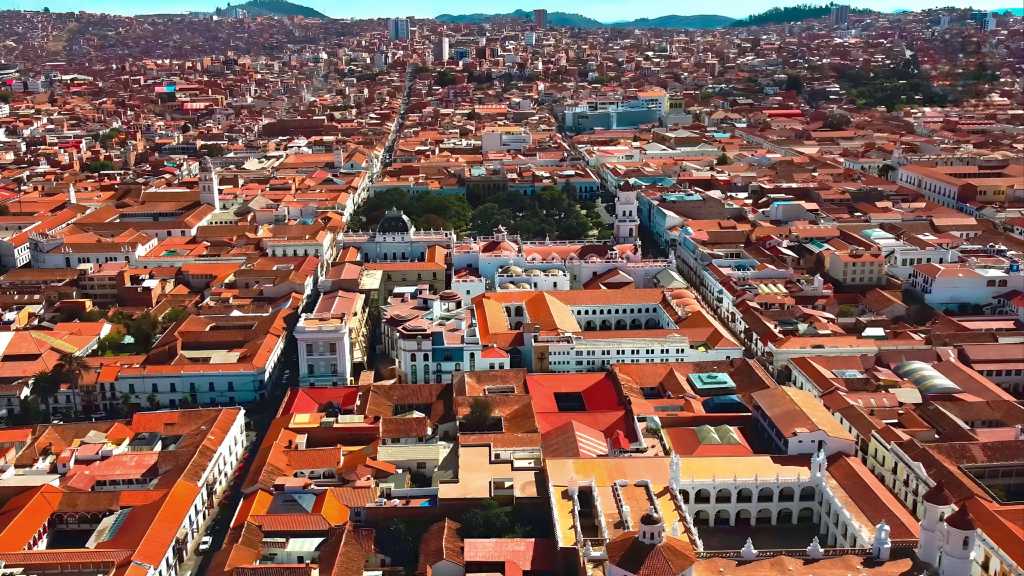
 Bolivia
Introduction
Bolivia is a landlocked country in South America, known for its diverse landscapes ranging from the Andes mountains to the Amazon rainforest. Travelers can experience vibrant cultures, rich history, and breathtaking natural wonders, making it a unique destination for adventurers and culture enthusiasts alike.
However, Bolivia can be challenging for some travelers due to its high altitude, especially in cities like La Paz. It's essential to acclimatize properly and be prepared for varying weather conditions, as well as limited infrastructure in remote areas.
À l'honneur
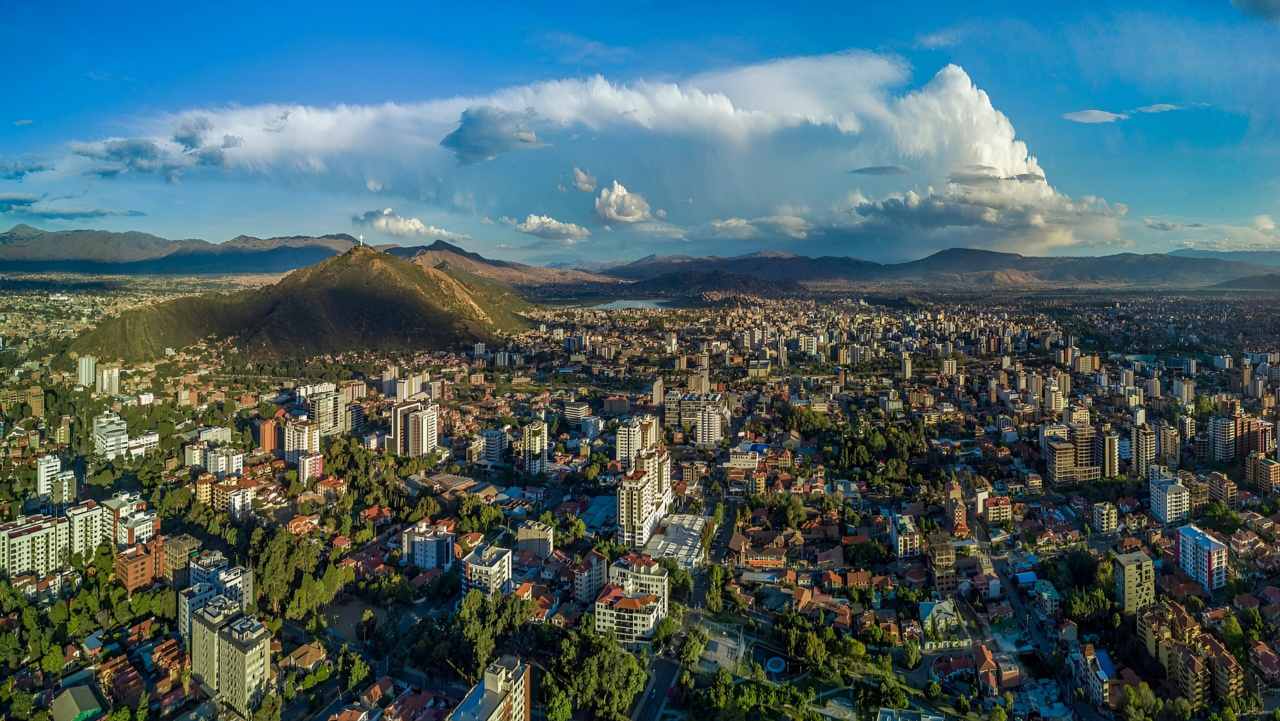 Ville
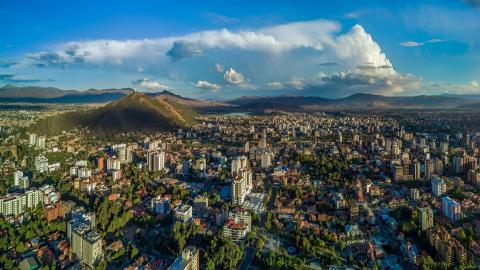
Cochabamba
Cochabamba is a vibrant city nestled in the heart of Bolivia, known for its pleasant clima
Ville
Cochabamba
Cochabamba is a vibrant city nestled in the heart of Bolivia, known for its pleasant clima
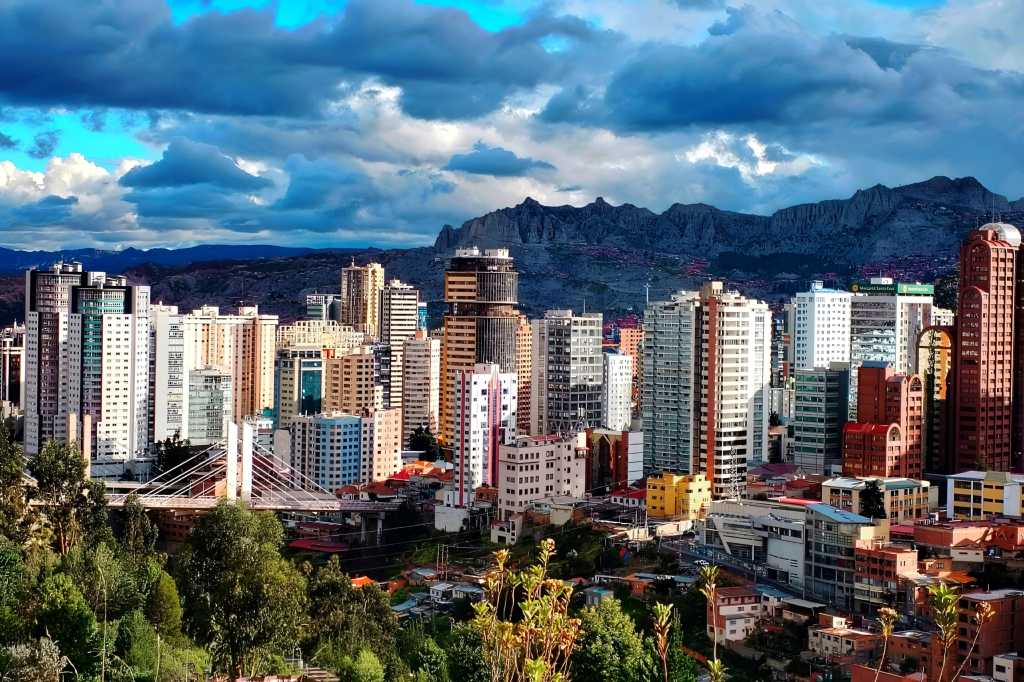 Ville
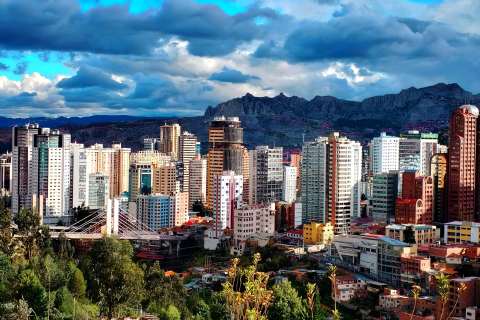
La Paz
La Paz is a vibrant city nestled high in the Andes, offering a unique blend of indigenous
Ville
La Paz
La Paz is a vibrant city nestled high in the Andes, offering a unique blend of indigenous
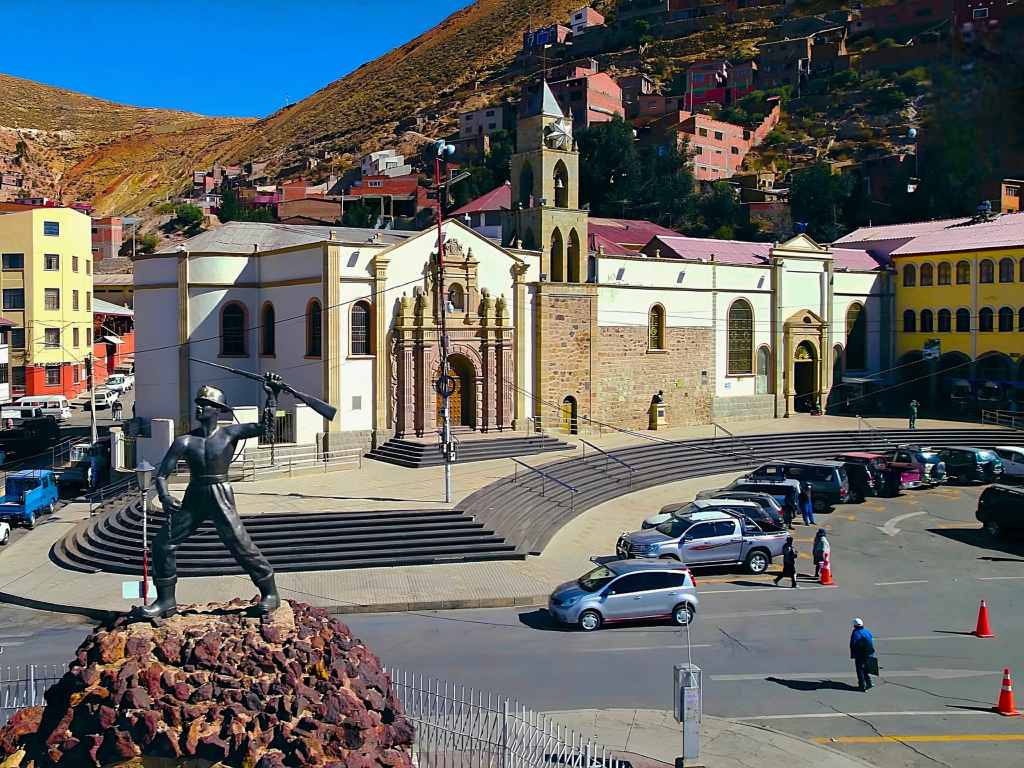 Ville
Oruro
Oruro is a vibrant city nestled in the Andes, known for its rich cultural heritage and liv
Ville
Oruro
Oruro is a vibrant city nestled in the Andes, known for its rich cultural heritage and liv
 Ville
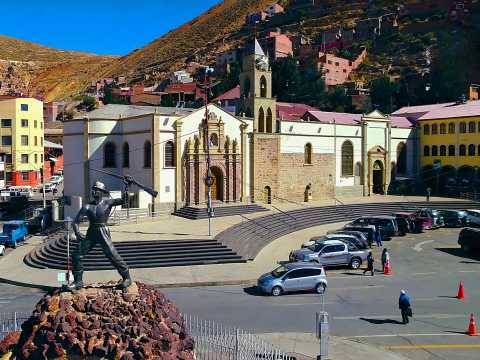
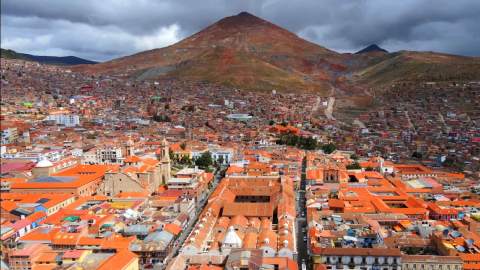
Potosí
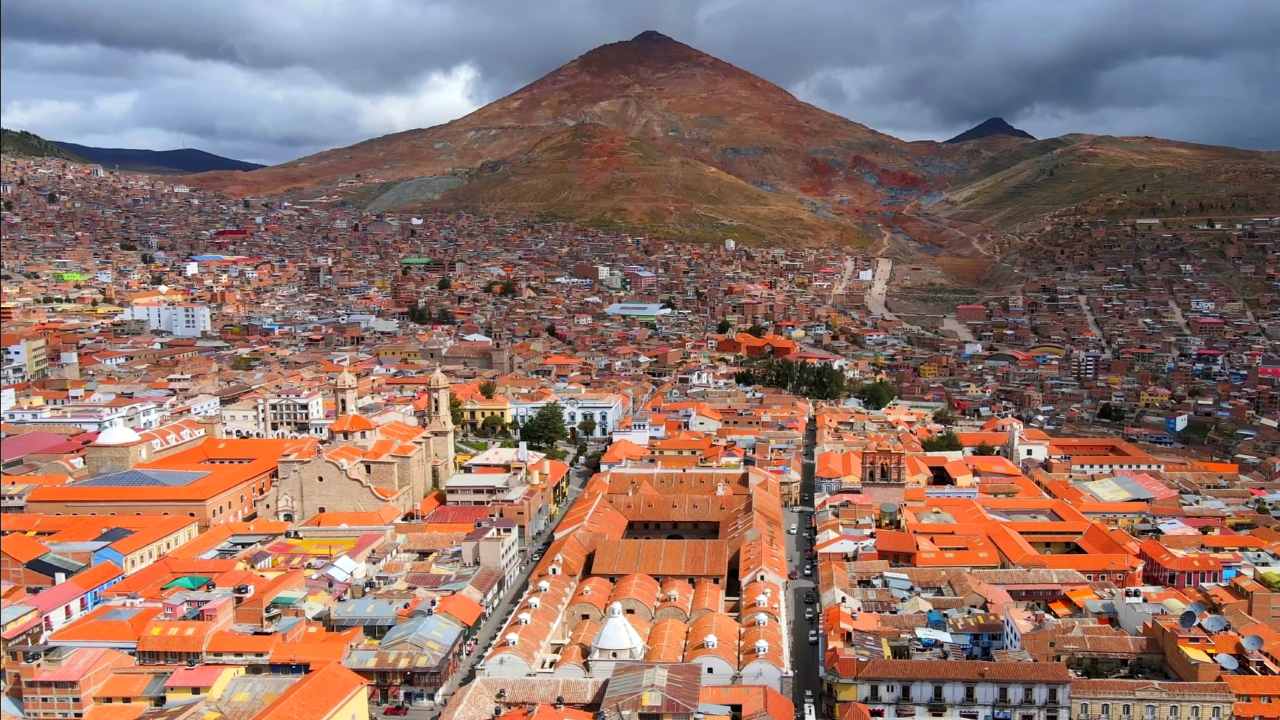
Potosí is a city steeped in history, perched high in the Andes mountains of Bolivia. Visit
Ville
Potosí
Potosí is a city steeped in history, perched high in the Andes mountains of Bolivia. Visit
 Ville
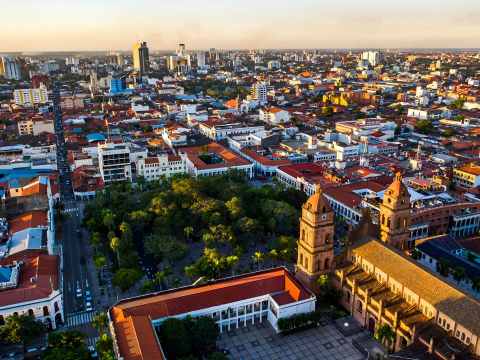
Santa Cruz
Ville
Santa Cruz
 Ville
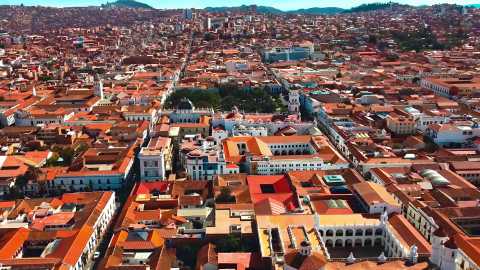
Sucre
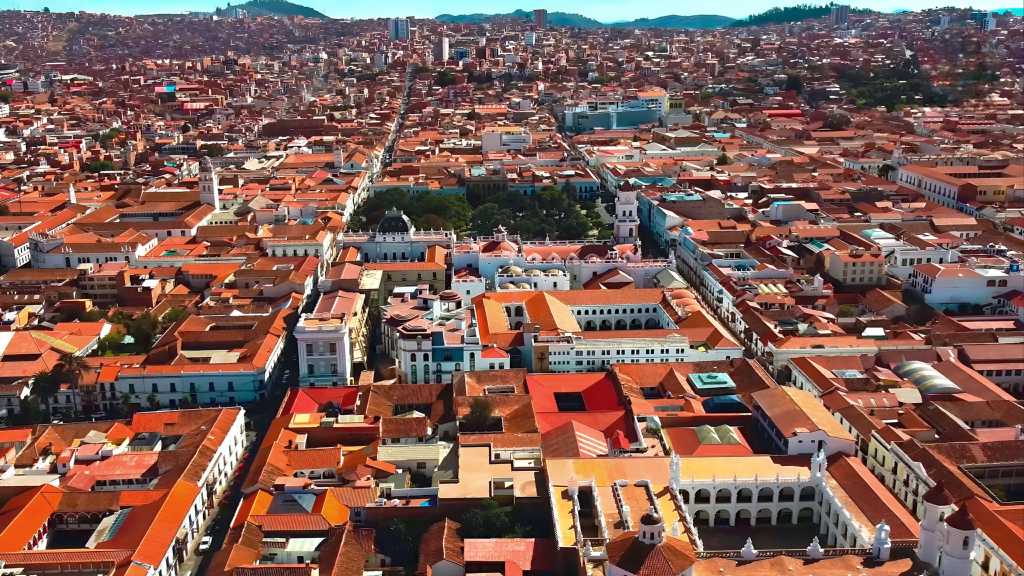
Sucre, the constitutional capital of Bolivia, is a charming city known for its well-preser
Ville
Sucre
Sucre, the constitutional capital of Bolivia, is a charming city known for its well-preser
Sightseeing
Things to do

Cuisine et boissons locales
Traditions locales
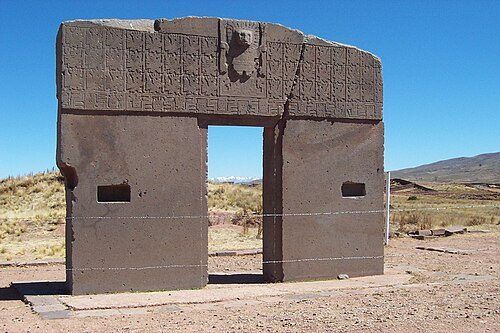
Histoire
Bolivia's history is marked by ancient civilizations, including the Tiwanaku and Inca empires. The Spanish colonization in the 16th century led to significant cultural changes and exploitation of resources, particularly silver from Potosí, which became one of the richest cities in the world.
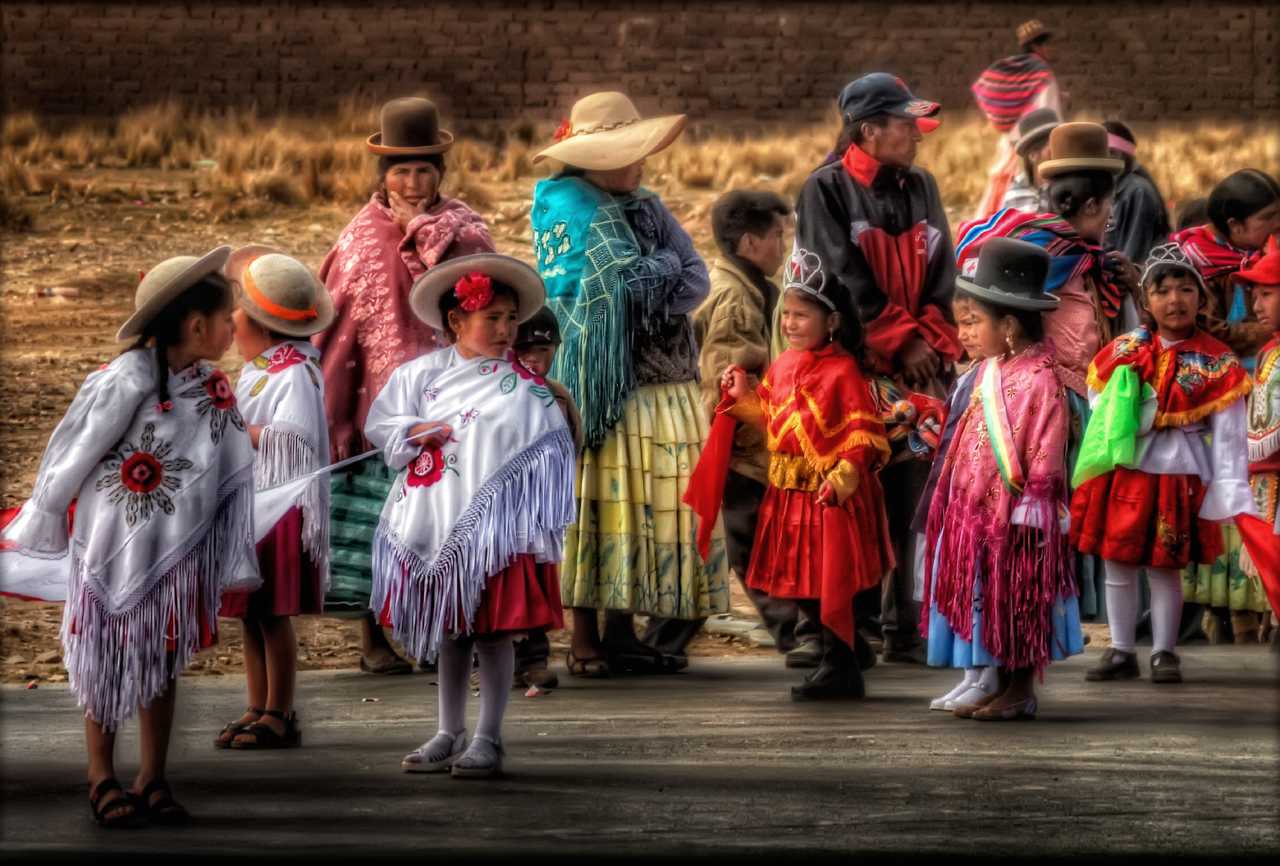
Bolivia gained independence in 1825 but has faced political instability and social unrest since then. The country has a rich indigenous heritage, with a significant portion of the population identifying as indigenous, and recent years have seen a resurgence of indigenous rights and cultural pride.
Basic information
Travel information
Flights to Bolivia typically arrive in La Paz or Santa Cruz Public transport includes buses and taxis, but be cautious with safety Road conditions can be poor, especially in rural areas ATMs are available in major cities, but cash is preferred in rural areas Mobile connectivity is decent in cities, but limited in remote regions
À savoir
À faire et à éviter
Itinéraires populaires ici

Photo: Wikipedia / Wikimedia Commons