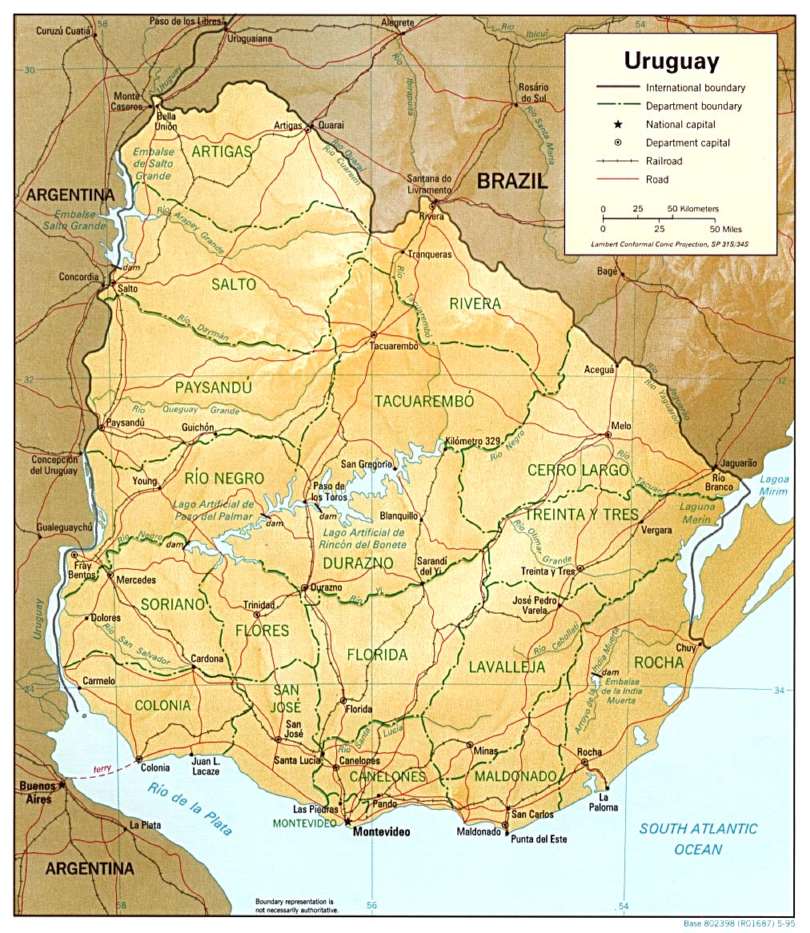
 Uruguay
Introduction
Uruguay is a charming country in South America known for its laid-back atmosphere and stunning coastal scenery. With a mix of vibrant cities and serene beaches, it offers a unique blend of culture and relaxation that appeals to many travelers.
The capital, Montevideo, boasts a rich cultural scene, while places like Punta del Este attract beach lovers. Uruguay is also recognized for its friendly locals and a slower pace of life, making it an ideal destination for those looking to unwind and explore at their leisure.
À l'honneur
 Ville
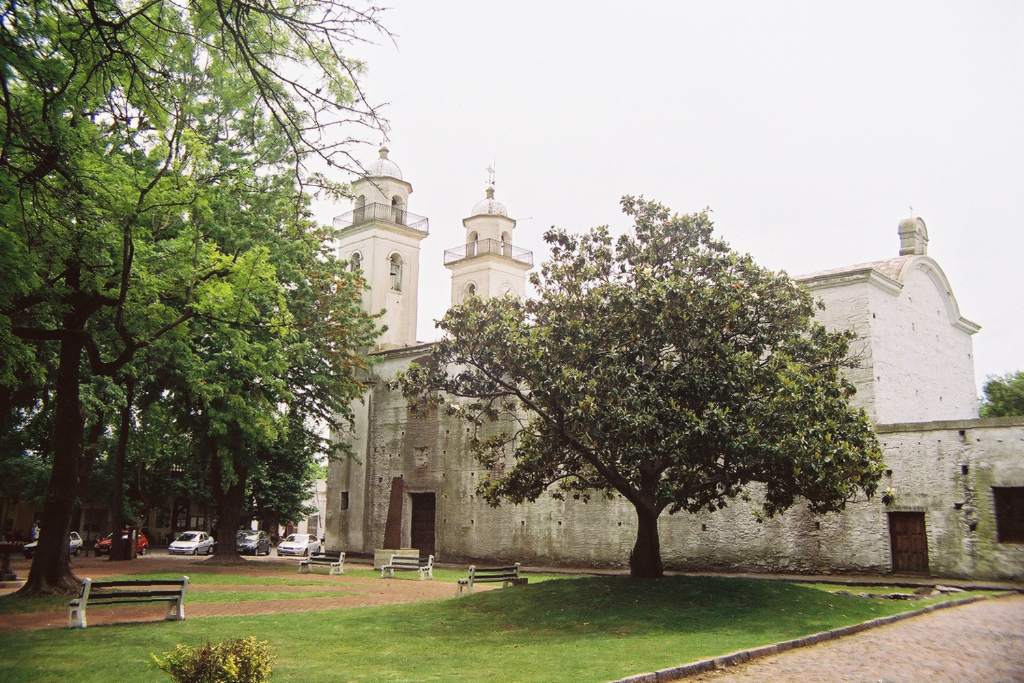
Colonia del Sacramento
Colonia del Sacramento is a charming blend of history and culture, where cobblestone stree
Ville
Colonia del Sacramento
Colonia del Sacramento is a charming blend of history and culture, where cobblestone stree
 Ville
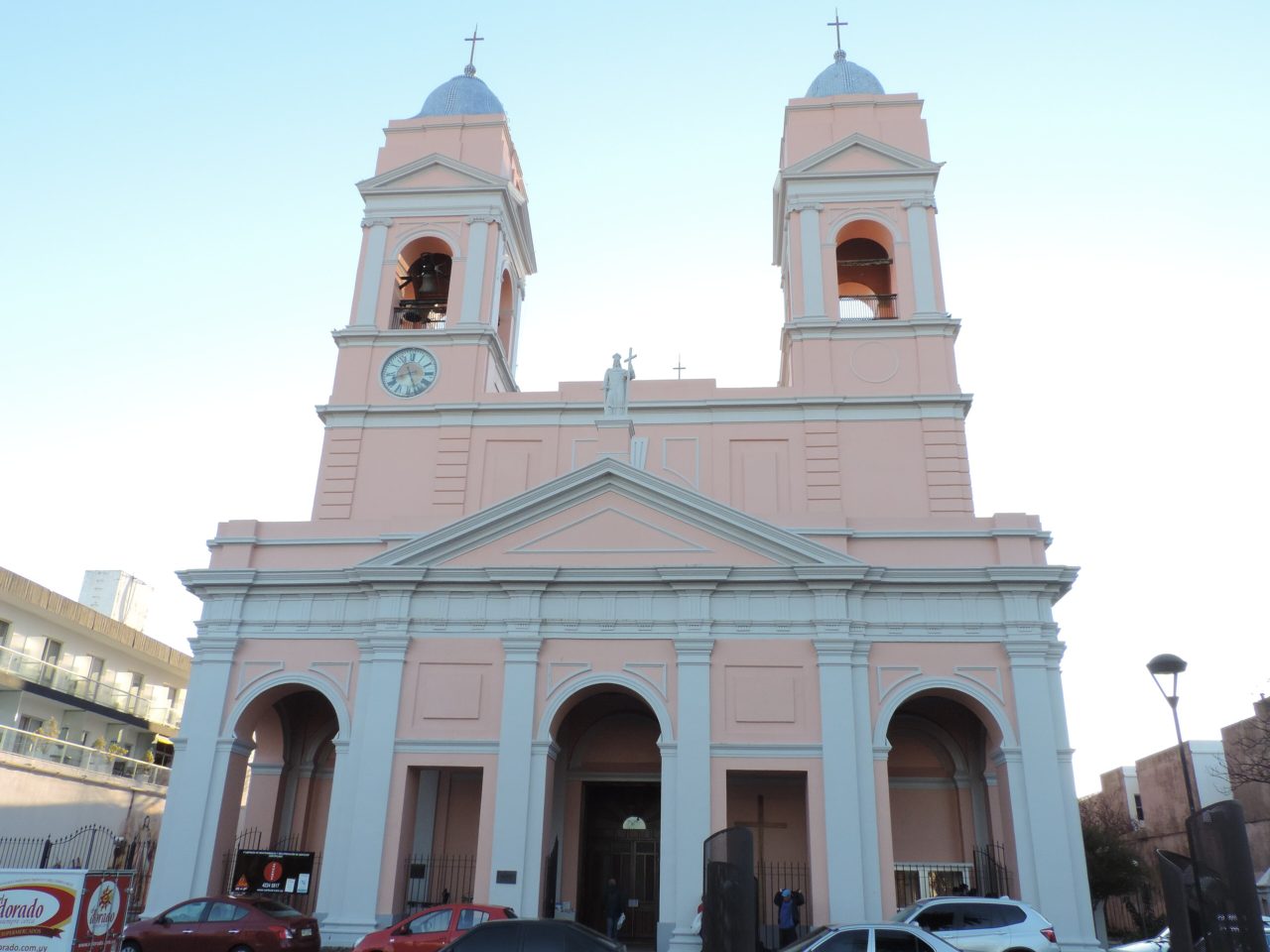
Maldonado
Maldonado is a charming city in Uruguay, known for its vibrant culture and proximity to th
Ville
Maldonado
Maldonado is a charming city in Uruguay, known for its vibrant culture and proximity to th
 Ville
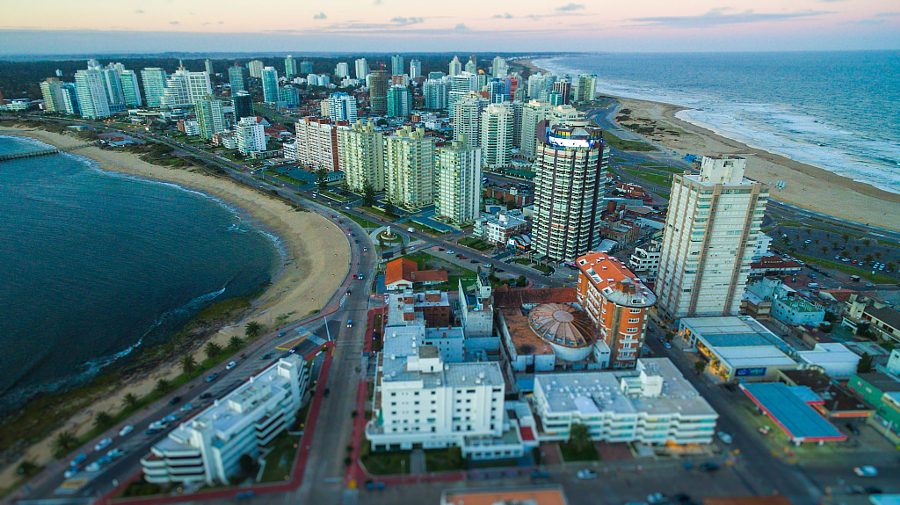
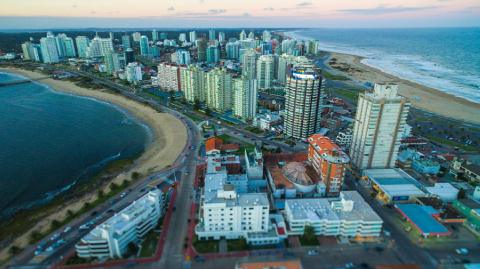
Punta del Este
Punta del Este is a vibrant coastal city in Uruguay, known for its stunning beaches and li
Ville
Punta del Este
Punta del Este is a vibrant coastal city in Uruguay, known for its stunning beaches and li
 Ville
Salto
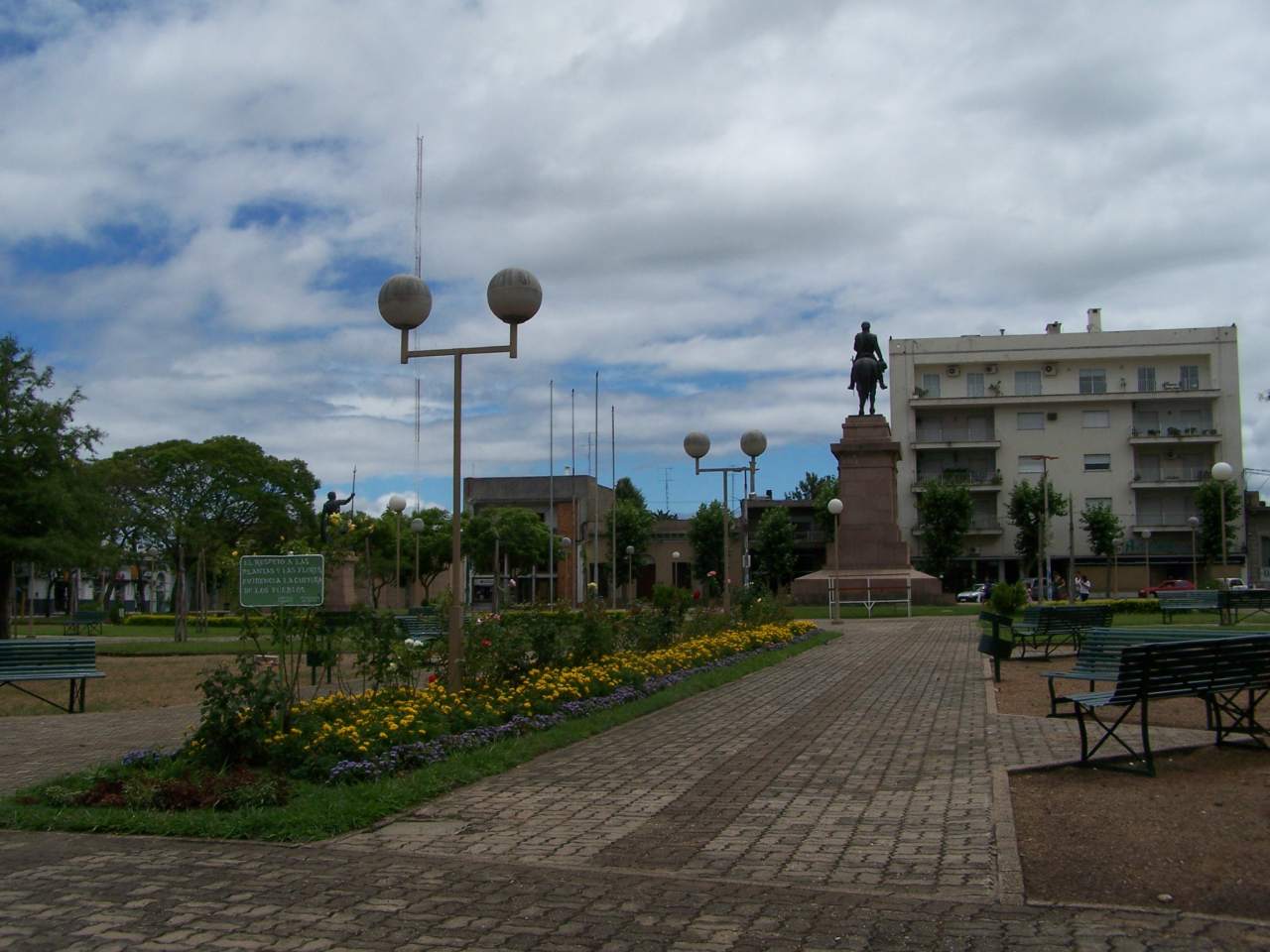
Salto, a charming city in Uruguay, offers a blend of natural beauty and cultural richness.
Ville
Salto
Salto, a charming city in Uruguay, offers a blend of natural beauty and cultural richness.
 Ville
Tacuarembó
Tacuarembó is a charming city in Uruguay, known for its rich cultural heritage and warm ho
Ville
Tacuarembó
Tacuarembó is a charming city in Uruguay, known for its rich cultural heritage and warm ho
Sightseeing
Things to do

Cuisine et boissons locales
Traditions locales

Histoire
Uruguay's history is marked by its indigenous roots and colonial influences, with the Spanish establishing Montevideo in the 18th century. The country gained independence in 1825 after a series of conflicts, including struggles against both Spanish and Brazilian rule.
Throughout the 20th century, Uruguay became known for its progressive social policies and strong democratic institutions. However, it faced political turmoil during the military dictatorship from 1973 to 1985, which has shaped its modern identity and commitment to human rights.
Basic information
Travel information
Fly into Carrasco International Airport in Montevideo for international access Use buses for intercity travel, they are reliable and affordable Renting a car is a good option for exploring rural areas Credit cards are widely accepted, but carry cash for small purchases Mobile connectivity is good, with many cafes offering free Wi-Fi
À savoir
À faire et à éviter
Villes
Itinéraires populaires ici
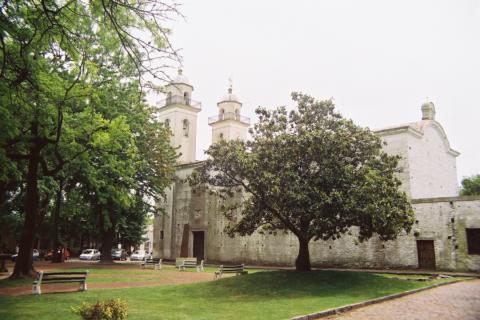
Photo: Wikipedia / Wikimedia Commons