 Samoa
Samoa
Introduction
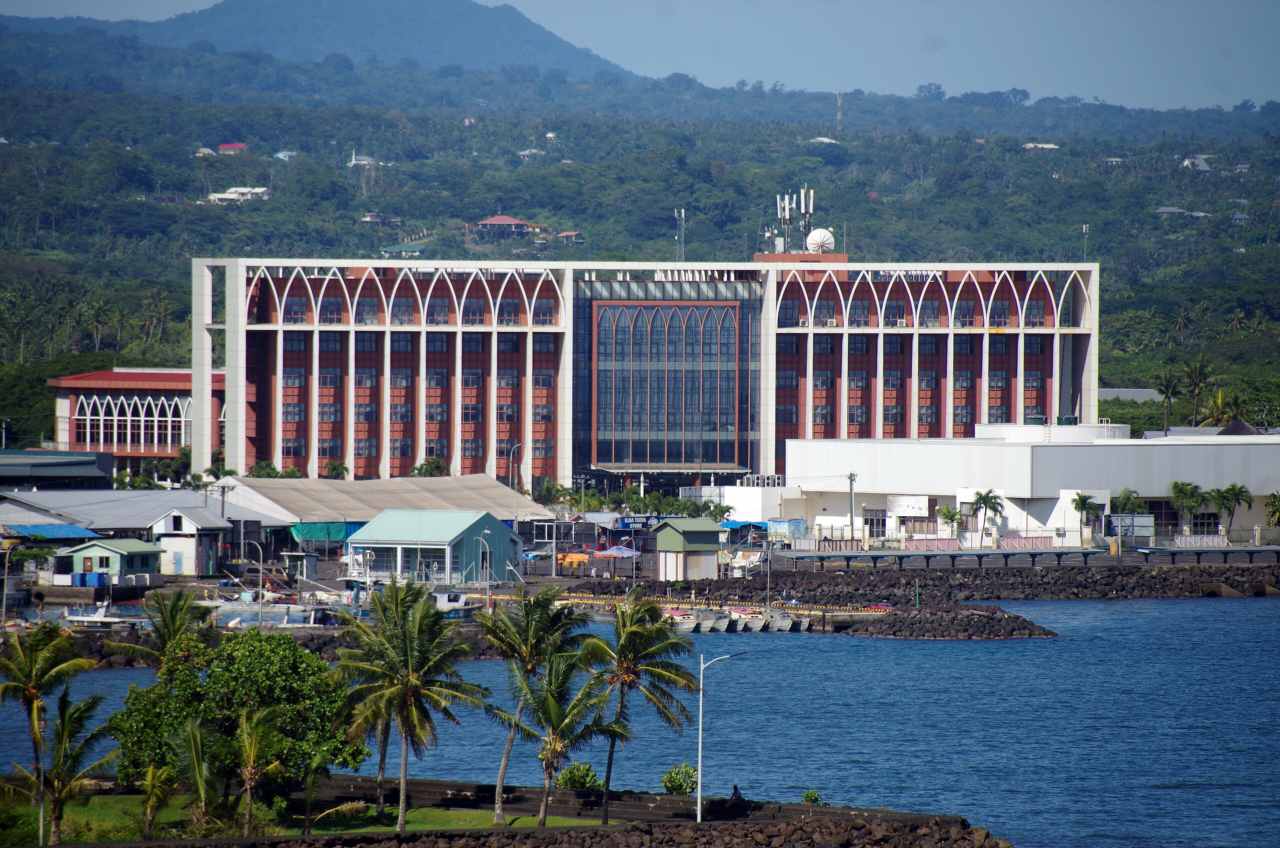
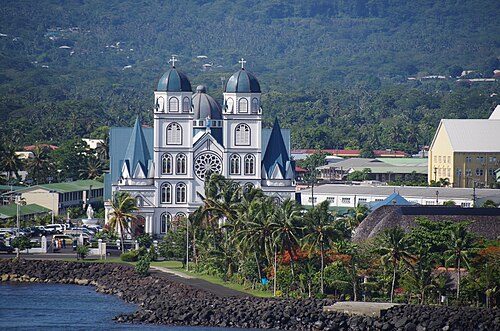
Samoa is a stunning island nation in the South Pacific, known for its lush landscapes, vibrant culture, and friendly locals. Travellers can expect pristine beaches, dramatic waterfalls, and a rich tapestry of traditions that make every visit memorable.
While the natural beauty is captivating, be prepared for a slower pace of life. Infrastructure can be basic, and public transport is limited, so renting a car or using taxis is often necessary to explore the islands fully.
En images
À l'honneur
 Ville
Apia
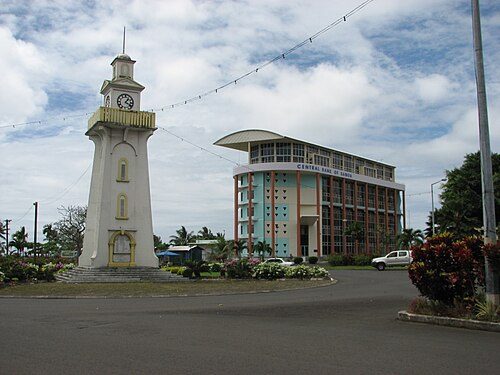
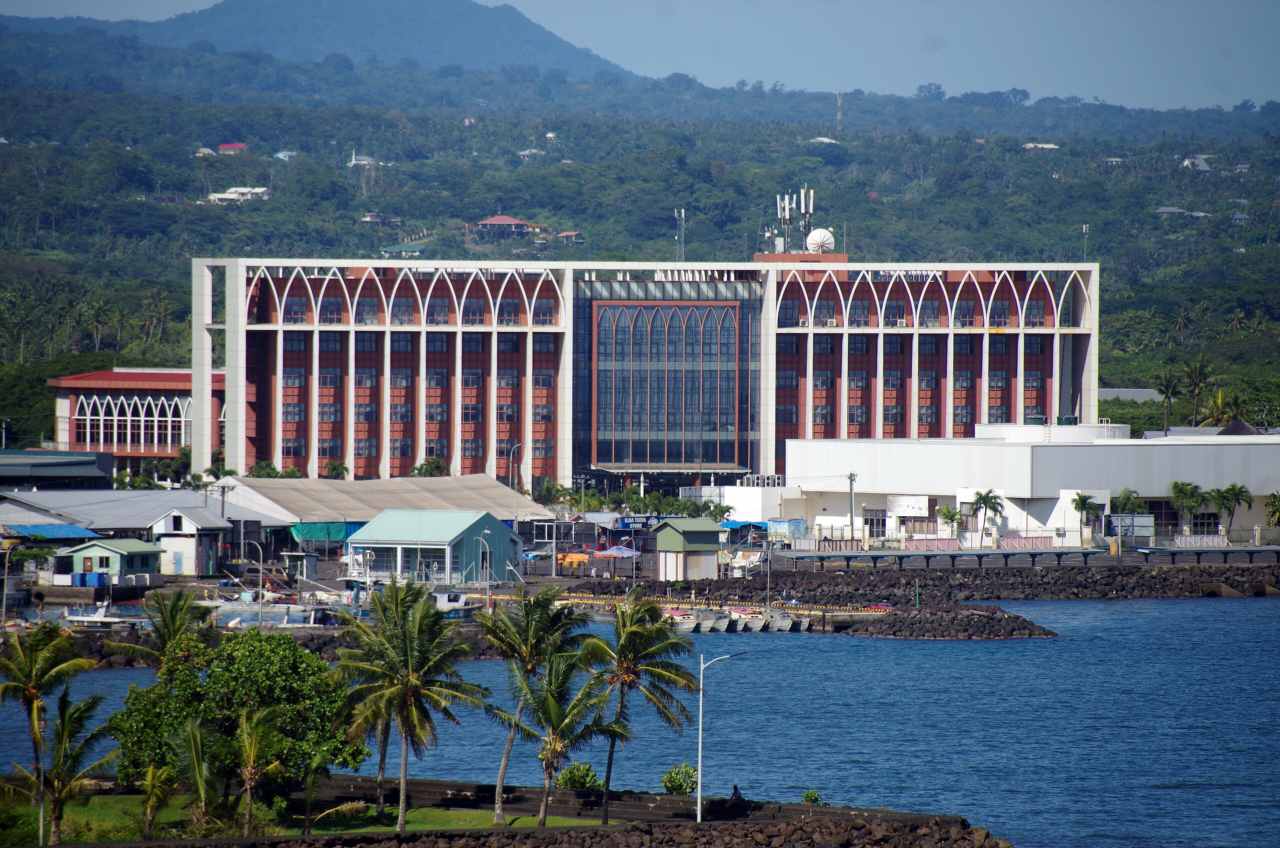
Apia, the vibrant capital of Samoa, offers a unique blend of Polynesian culture and modern
Ville
Apia
Apia, the vibrant capital of Samoa, offers a unique blend of Polynesian culture and modern
 Ville
Falealupo
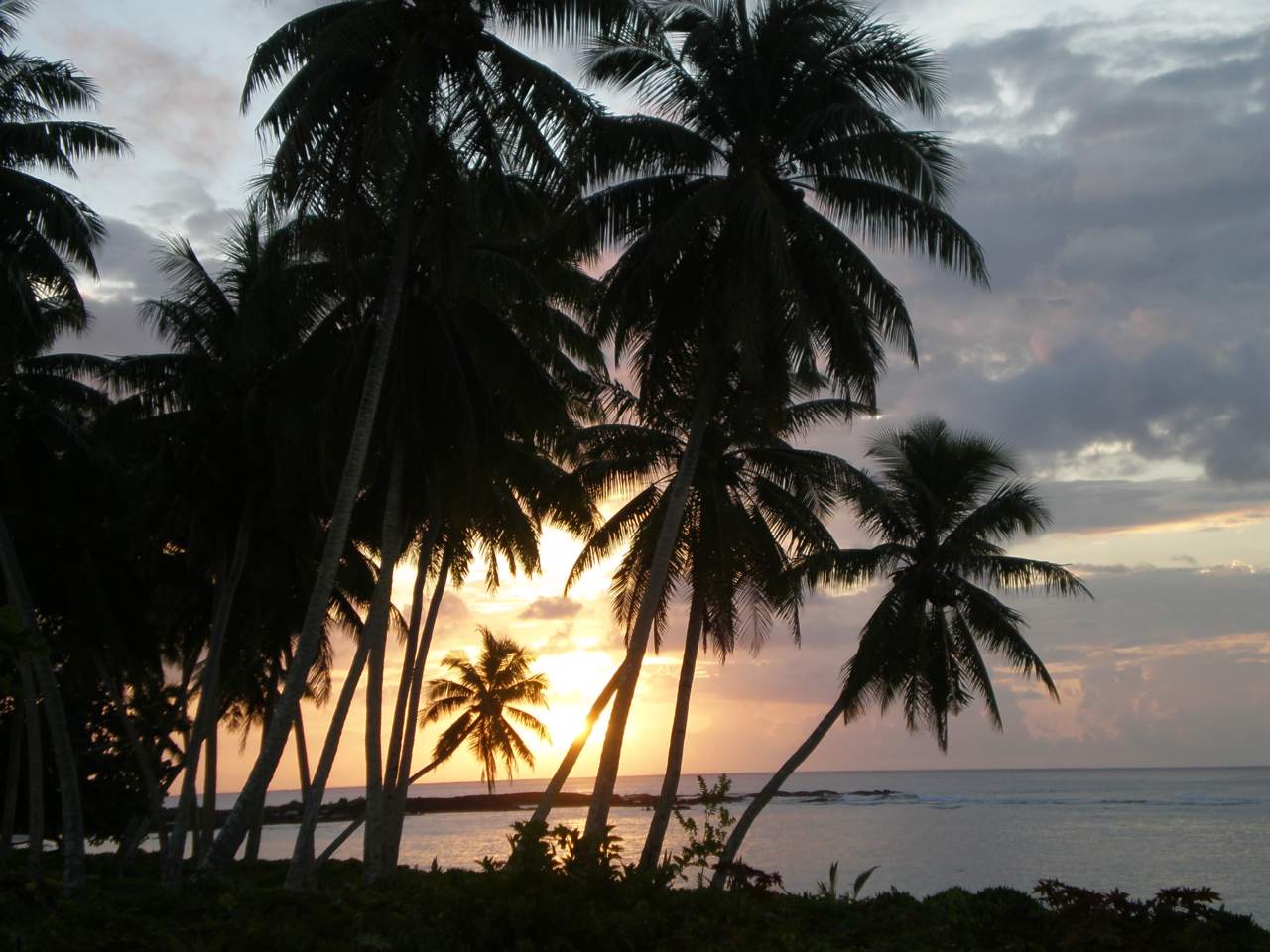
Falealupo is a serene village located on the western tip of Savai'i in Samoa, known for it
Ville
Falealupo
Falealupo is a serene village located on the western tip of Savai'i in Samoa, known for it
 Ville
Lalomanu
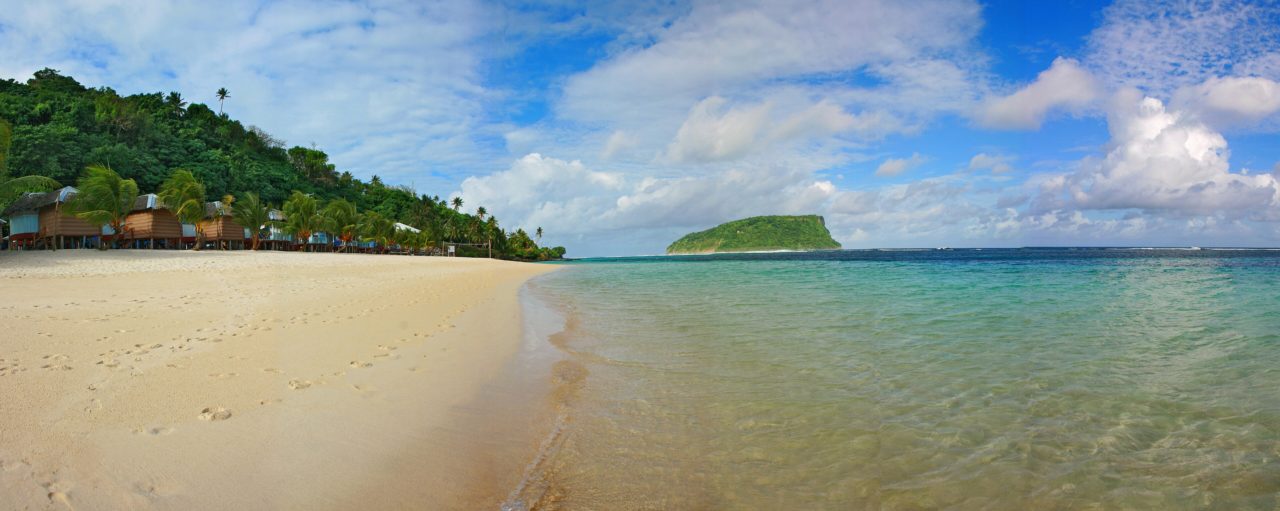
Lalomanu is a picturesque village on the southern coast of Upolu, Samoa, known for its stu
Ville
Lalomanu
Lalomanu is a picturesque village on the southern coast of Upolu, Samoa, known for its stu
 Ville
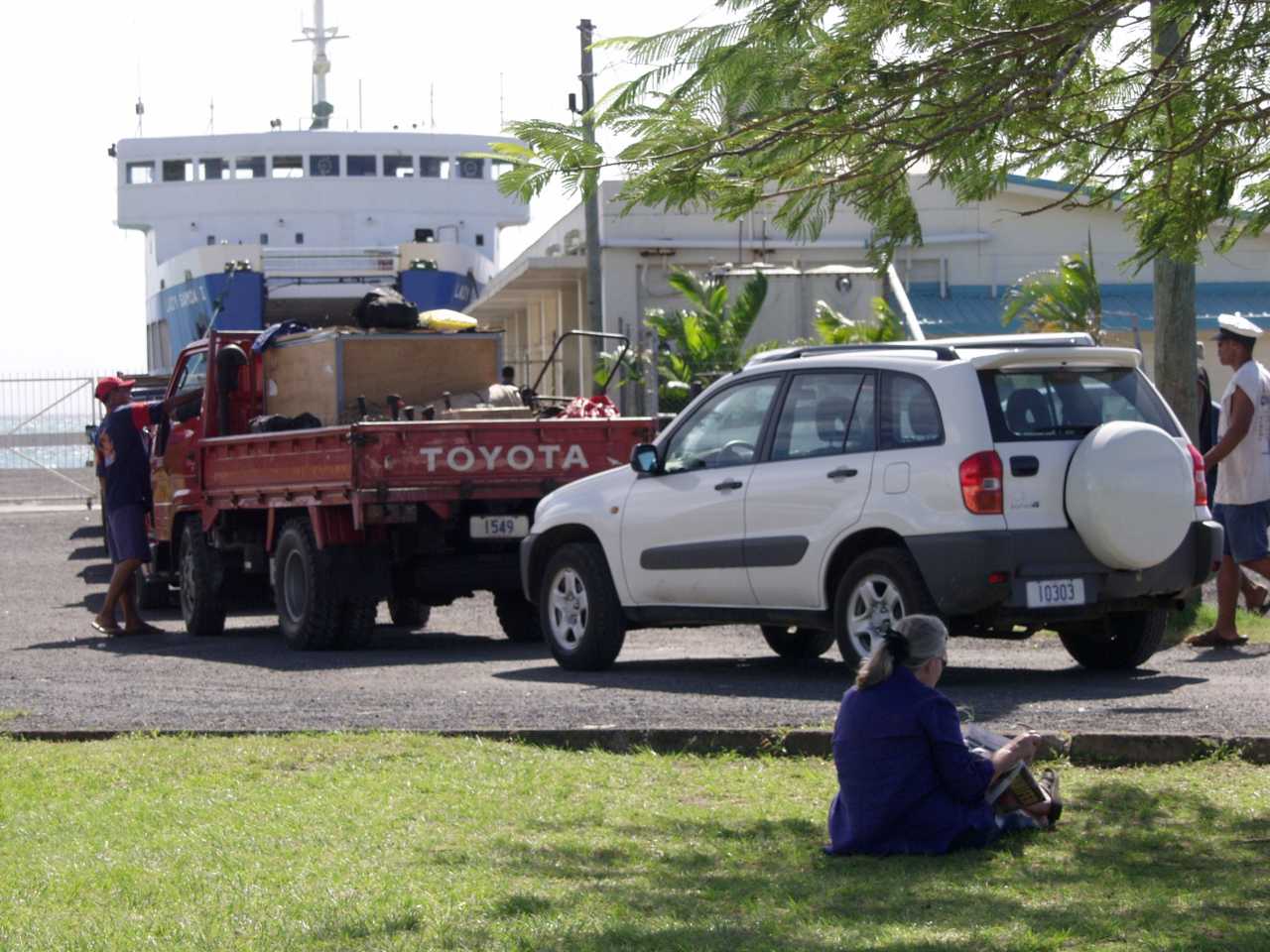
Mulifanua
Mulifanua is a serene coastal village in Samoa, known for its stunning beaches and welcomi
Ville
Mulifanua
Mulifanua is a serene coastal village in Samoa, known for its stunning beaches and welcomi
 Ville
Salelologa
Salelologa is a vibrant town on the island of Savai'i in Samoa, known for its friendly loc
Ville
Salelologa
Salelologa is a vibrant town on the island of Savai'i in Samoa, known for its friendly loc
 Ville
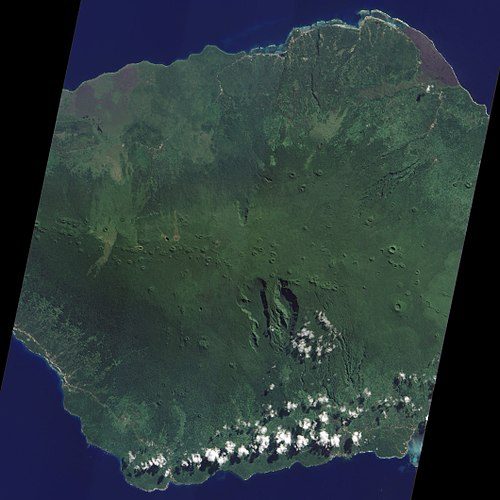
Savaii
Savaii, the largest island in Samoa, offers a blend of stunning natural beauty and rich cu
Ville
Savaii
Savaii, the largest island in Samoa, offers a blend of stunning natural beauty and rich cu
 Attraction
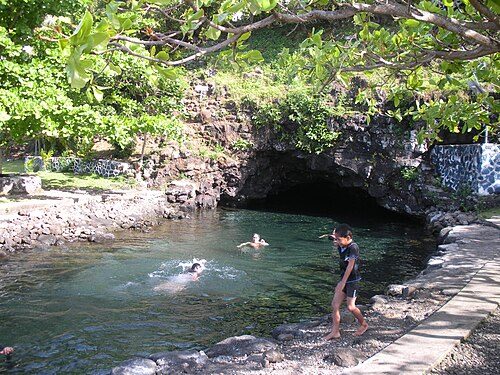
Piula Cave Pool
Attraction
Piula Cave Pool
Sightseeing
Things to do
Cuisine et boissons locales
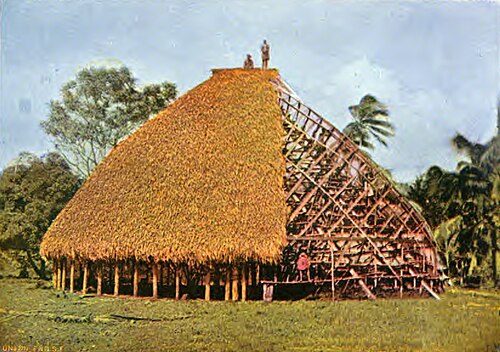
Traditions locales
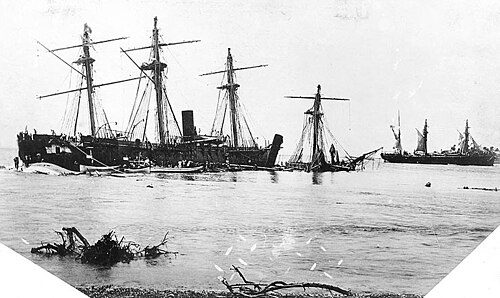
Histoire
Samoa has a rich history that dates back over 3,000 years, with Polynesian navigators being the first settlers. The islands were later influenced by European explorers in the 18th century, leading to significant cultural exchanges.
In the late 19th century, Samoa became a focal point for colonial powers, with the United States, Germany, and Britain vying for control. Eventually, in 1962, Samoa became the first Pacific island nation to gain independence, embracing its unique identity and traditions.
Basic information
Travel information
À savoir
À faire et à éviter
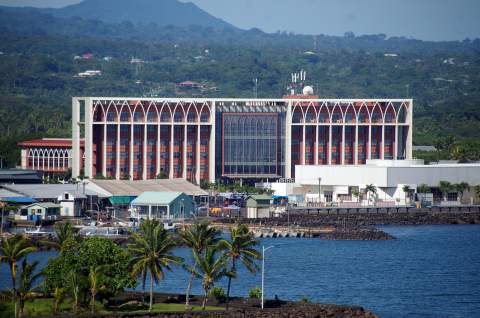
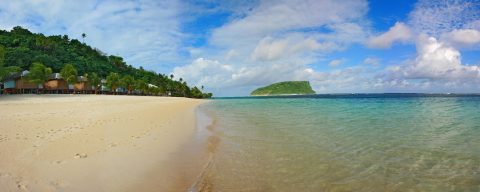
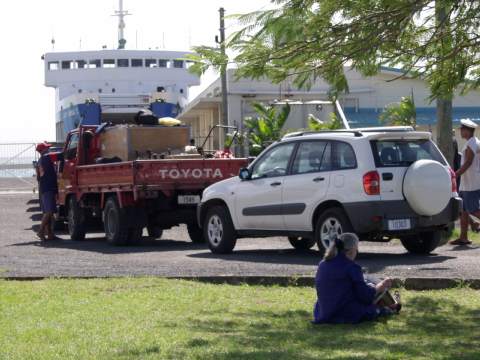
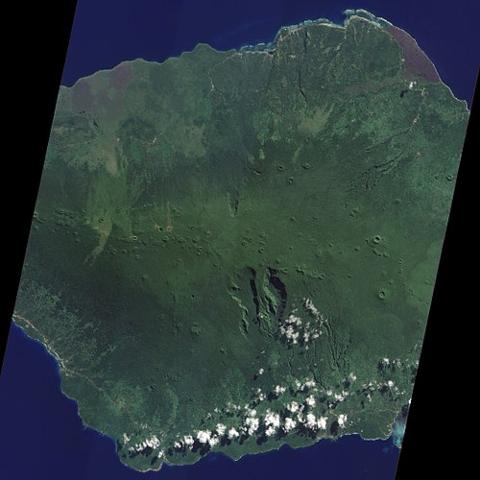
Photo: Wikipedia / Wikimedia Commons