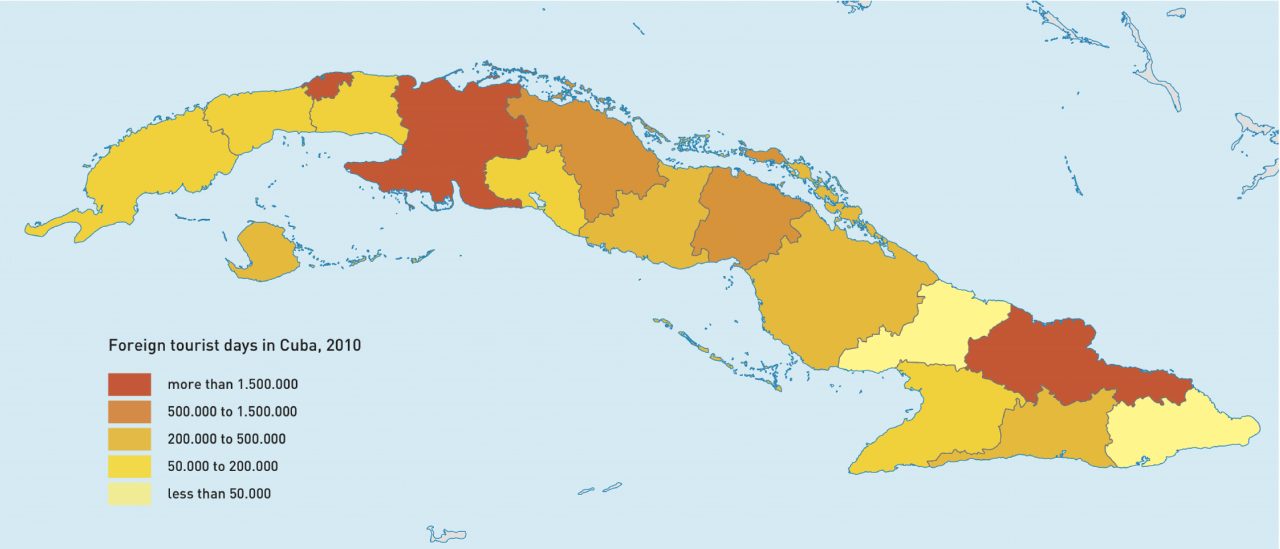
 Cuba
Cuba
Introduction
Cuba is a vibrant island nation known for its rich culture, stunning landscapes, and historical significance. Travelers are often captivated by its colorful architecture, classic cars, and warm hospitality. The blend of Spanish colonial history and African influences creates a unique atmosphere that is both nostalgic and lively.
However, Cuba also presents challenges. Infrastructure can be lacking, with occasional power outages and limited internet access. It's essential to embrace the slower pace of life and be prepared for unexpected changes in plans.
焦点推荐
 城市
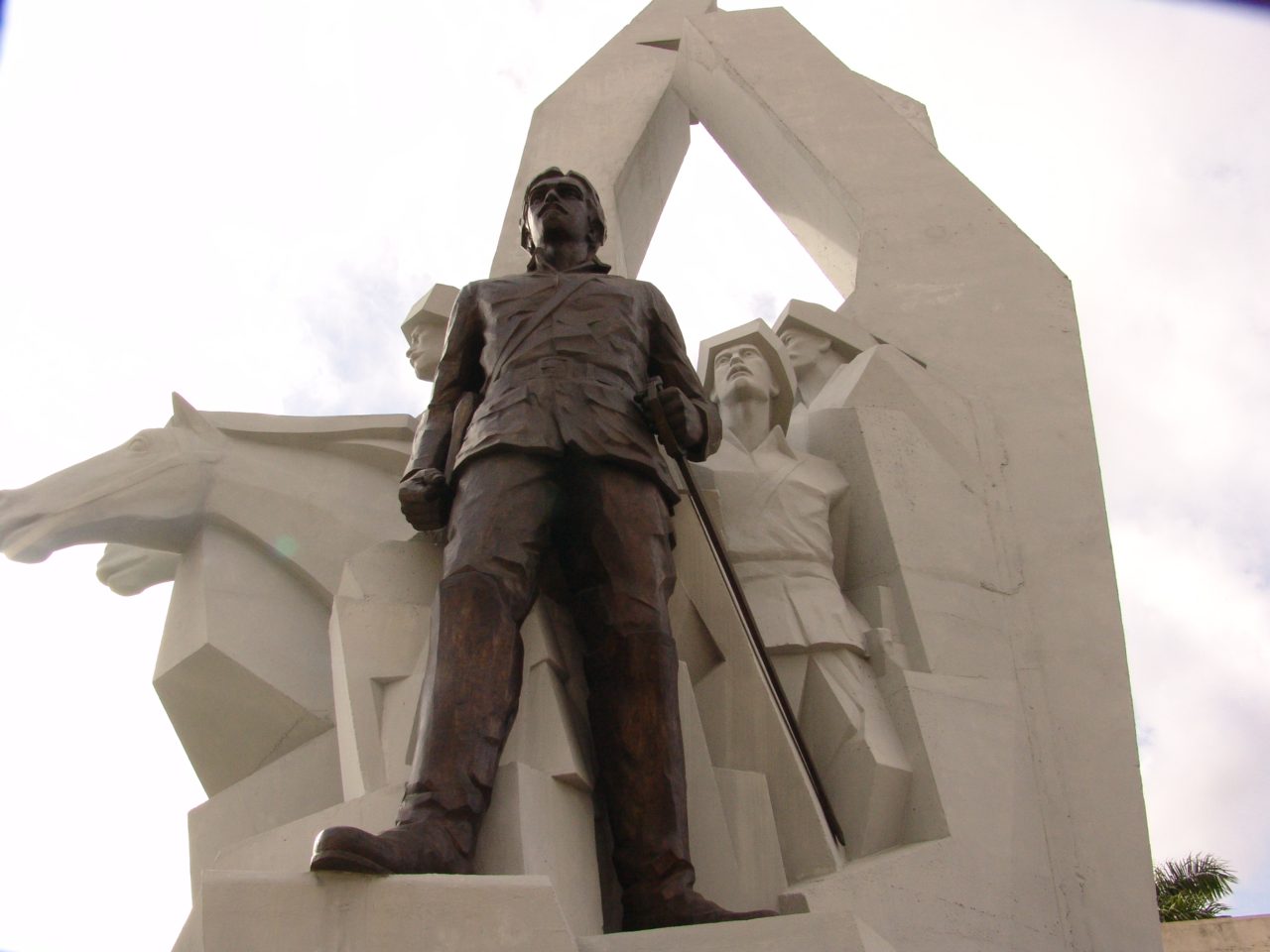
Camagüey
Camagüey is a charming city in Cuba, known for its winding streets and vibrant culture. Th
城市
Camagüey
Camagüey is a charming city in Cuba, known for its winding streets and vibrant culture. Th
 城市
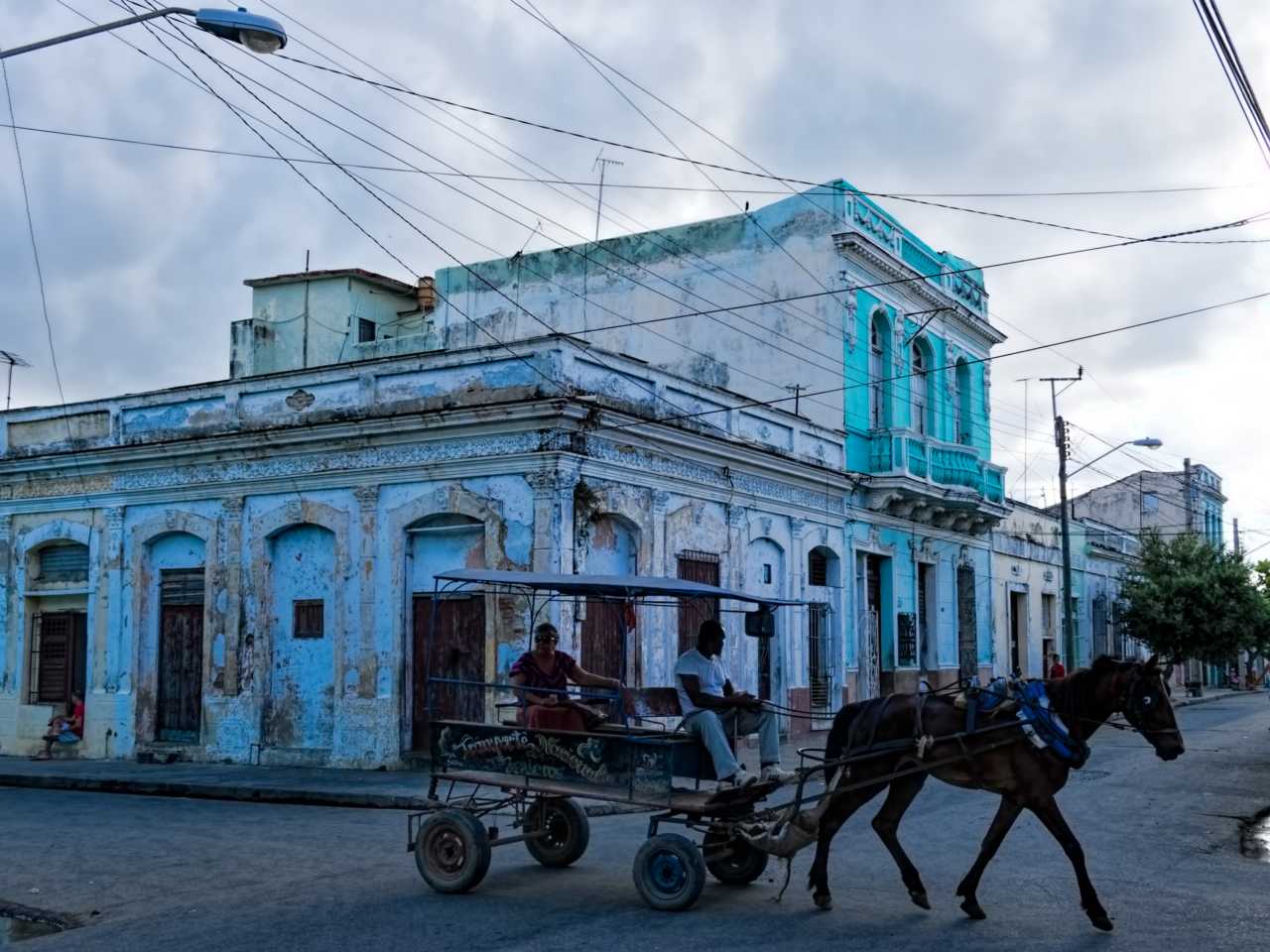
Cienfuegos
Cienfuegos, known as the Pearl of the South, offers a unique blend of French colonial arch
城市
Cienfuegos
Cienfuegos, known as the Pearl of the South, offers a unique blend of French colonial arch
 城市
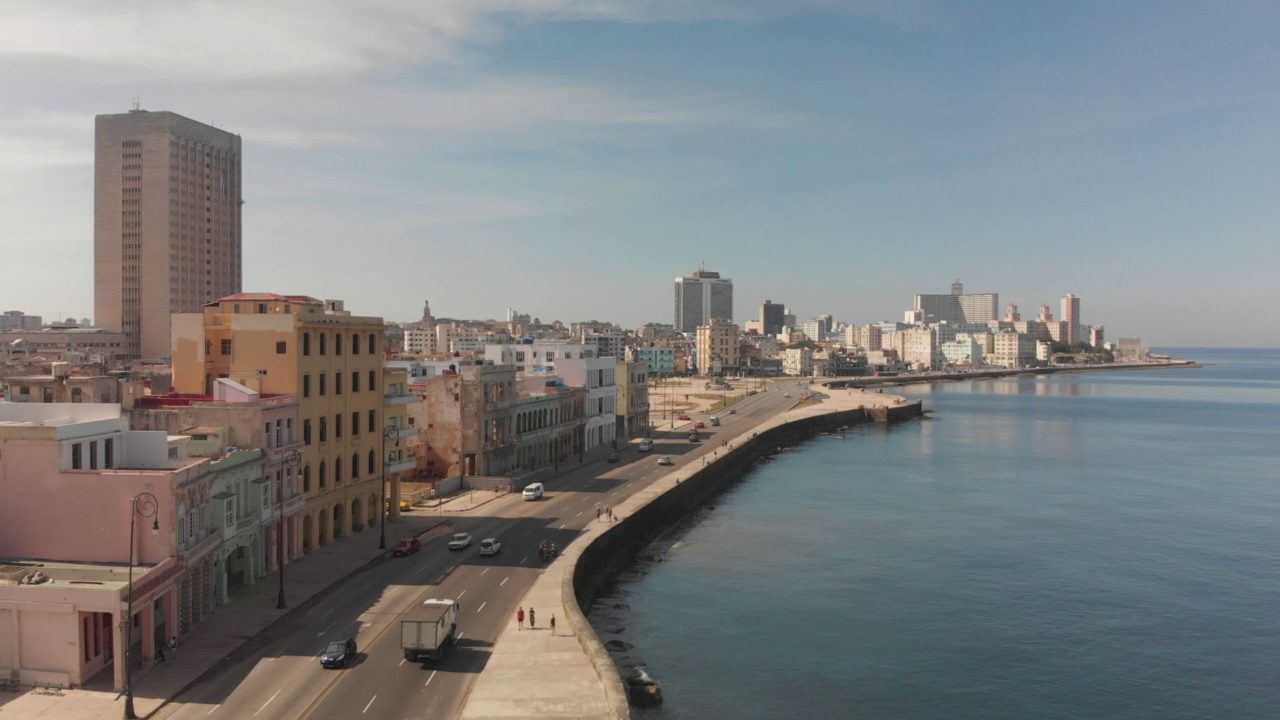
Havana
Havana is a vibrant city where history and culture intertwine seamlessly. The colorful str
城市
Havana
Havana is a vibrant city where history and culture intertwine seamlessly. The colorful str
 城市
Santiago de Cuba
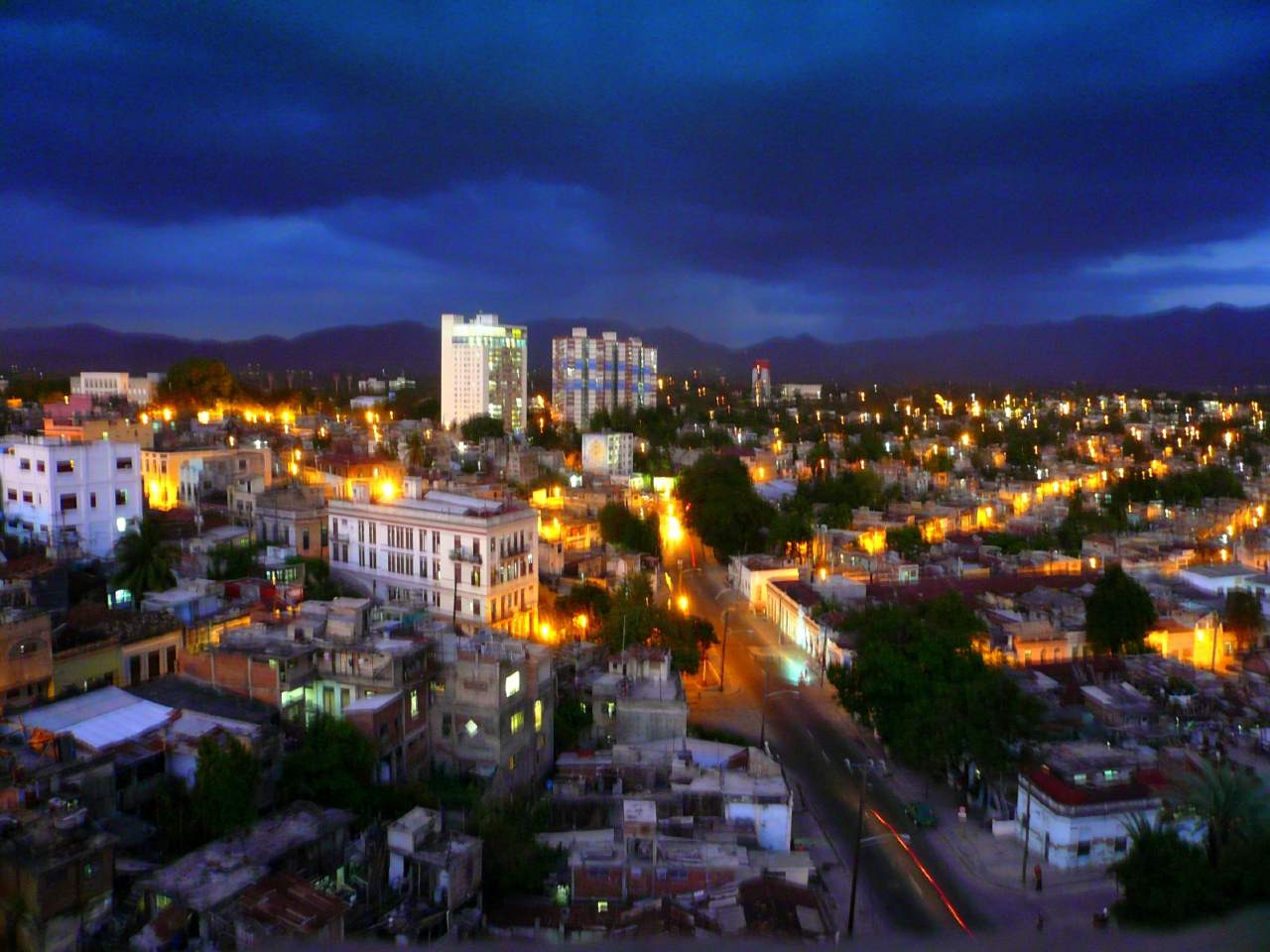
Santiago de Cuba is a vibrant city steeped in history and culture, offering a unique blend
城市
Santiago de Cuba
Santiago de Cuba is a vibrant city steeped in history and culture, offering a unique blend
 城市
Trinidad
Trinidad, a charming colonial town in Cuba, enchants visitors with its cobblestone streets
城市
Trinidad
Trinidad, a charming colonial town in Cuba, enchants visitors with its cobblestone streets
 城市
Varadero
Varadero is a stunning beach resort town known for its long stretches of white sand and cr
城市
Varadero
Varadero is a stunning beach resort town known for its long stretches of white sand and cr
Sightseeing
Things to do
当地美食与饮品
当地传统

历史
Cuba's history is marked by indigenous cultures, Spanish colonization, and struggles for independence. The island was discovered by Christopher Columbus in 1492 and became a Spanish colony, leading to the exploitation of its resources and people. The fight for independence began in the 19th century, culminating in the Cuban War of Independence in 1898.
In the 20th century, Cuba underwent significant political changes, including the 1959 revolution led by Fidel Castro. This transformed the nation into a socialist state, impacting its economy and international relations. Today, Cuba is known for its resilience and unique blend of cultures, despite ongoing challenges.
Basic information
Travel information
Flights to Cuba are available from major cities worldwide, with Havana being the main entry point Public transportation includes buses and shared taxis, but renting a car can be challenging Cash is essential, as credit cards are not widely accepted; bring Euros or Canadian dollars Internet access is limited; consider purchasing a local SIM card for better connectivity Expect to navigate some poorly maintained roads, especially in rural areas
须知事项
宜与忌
城市
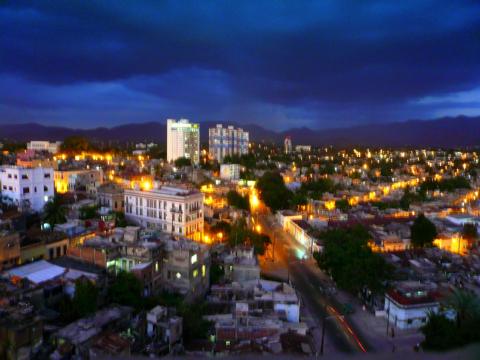
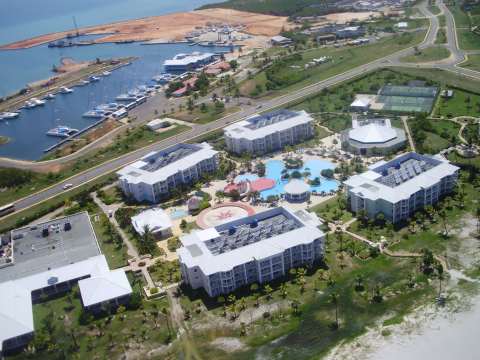
照片: Wikipedia / Wikimedia Commons